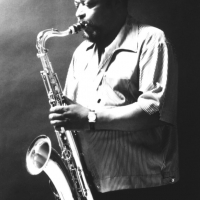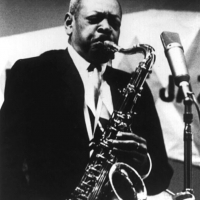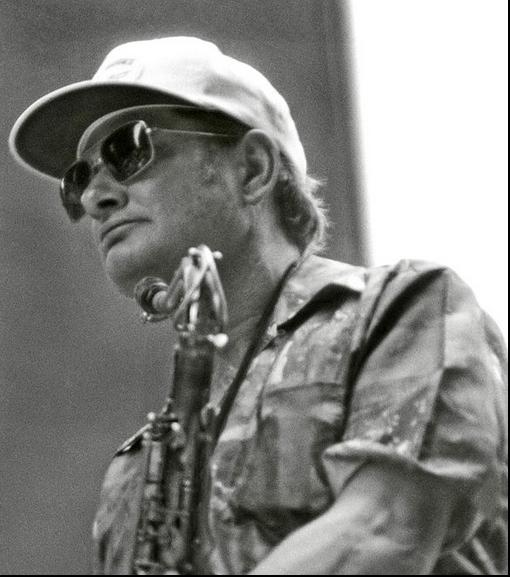
Zoot Sims

Jazz
Big band Jazz
Smooth Jazz
Bebop
 Viberate Rank: 72071
 Viberate Rank: 72071
 Monthly ListenersFollowers
 Subscribers
 Followers
 Followers
 FansTop Spotify Songs
| Track | 7-Day Streams | |
|---|---|---|
1 | 126.67K | |
2 | 29.69K | |
3 | 13.29K | |
4 | 11.85K | |
5 | 10.60K |
Top YouTube VideosMonthly ListenersFeatured in Playlists| Playlist | Followers | |
|---|---|---|
1 |  Jazz Classics Spotify | 5.08M |
2 |  Women of Jazz Spotify | 865.68K |
3 |  Dark Academia Jazz Spotify | 282.85K |
4 |  This Is John Coltrane Spotify | 226.42K |
5 |  Just Jazz Spotify | 173.67K |
Audience| City | Monthly Listeners | |
|---|---|---|
1 | | 6.47K |
2 |  | 5.88K |
3 | | 5.66K |
4 | | 4.20K |
5 | | 4.15K |
See full performance history, audience data, playlist activity, rankings, comparisons, and more in Viberate music analytics. Start with a free trial, then continue with a paid plan.
Zoot Sims’ Spotify BioThroughout his career, Zoot Sims was famous for epitomizing the swinging musician, never playing an inappropriate phrase. He always sounded inspired, and although his style did not change much after the early 1950s, Zoot's enthusiasm and creativity never wavered.
Zoot's family was involved in vaudeville, and he played drums and clarinet as a youth. His older brother, Ray Sims, developed into a fine trombonist who sounded like Bill Harris. At age 13, Sims switched permanently to the tenor, and his initial inspiration was Lester Young, although he soon developed his own cool-toned sound. Sims was a professional by the age of 15, landing his first important job with Bobby Sherwood's Orchestra, and he joined Benny Goodman's big band for the first time in 1943; he would be one of BG's favorite tenormen for the next 30 years. He recorded with Joe Bushkin in 1944, and even at that early stage, his style was largely set.
After a period in the Army, Sims was with Goodman from 1946-1947. He gained… his initial fame as one of Woody Herman's "Four Brothers" during his time with the Second Herd (1947-1949). Zoot had brief stints with Buddy Rich's short-lived big band, Artie Shaw, Goodman (1950), Chubby Jackson, and Elliot Lawrence. He toured and recorded with Stan Kenton (1953) and Gerry Mulligan (1954-1956). Sims was also a star soloist with Mulligan's Concert Jazz Band of the early '60s and visited the Soviet Union with Benny Goodman in 1962. A freelancer throughout most of his career, Sims often led his own combos or co-led bands with his friend Al Cohn; the two tenors had very similar sounds and styles. Zoot started doubling on soprano quite effectively in the '70s. Through the years, he appeared in countless situations, and always seemed to come out ahead. Fortunately, Zoot Sims recorded frequently, leading sessions for Prestige, Metronome, Vogue, Dawn, Storyville, Argo, ABC-Paramount, Riverside, United Artists, Pacific Jazz, Bethlehem, Colpix, Impulse, Groove Merchant, Famous Door, Choice, Sonet, and a wonderful series for Pablo. ~ Scott Yanow, Rovi
Viberate is a music analytics platform built for A&Rs, artist managers, labels, booking agents, marketers, and artists.
It helps music professionals track artist growth, analyze audience data, monitor playlist activity, compare artists, follow song performance, and identify opportunities across the music market.
Public artist pages provide a free preview of selected artist data. Paid plans provide access to deeper analytics, historical data, charts, comparisons, playlist tools, exports, alerts, reports, and additional professional features.
Yes. Public Viberate artist pages provide selected artist analytics and music data for free.
Viberate also offers a 7-day free trial of the full platform. A credit card is required to start the trial. The trial includes access to the complete product so users can test deeper artist analytics, historical views, playlist insights, comparisons, charts, exports, alerts, and reporting features before choosing a paid plan.
Viberate provides artist analytics across streaming, playlists, social media, video, radio airplay, songs, and audience markets.
Users can analyze Spotify performance, Spotify and Apple Music playlists, YouTube activity, TikTok and Instagram growth, radio spins, song performance, audience locations, demographics, rankings, and overall artist momentum.
Artist profiles also connect to music charts, similar artists, and comparison tools, helping users benchmark performance and evaluate artists in context.
Viberate updates key artist and track data daily.
For followed artists and tracks, selected data is refreshed multiple times per day. This helps teams monitor playlist changes, streaming movement, audience growth, releases, and campaign performance with more current data.
Update frequency can vary depending on the metric and data source.
Yes. Viberate lets users compare up to five artists side by side across streaming, social media, audience, and engagement metrics.
Users can compare fanbase growth, audience demographics, locations, Spotify performance, social metrics, and other artist data over selected time periods.
Artist comparison can be used for A&R scouting, benchmarking, booking decisions, campaign planning, and evaluating artists with similar audiences or market positions.