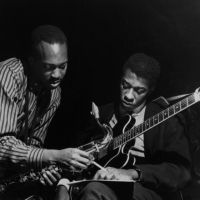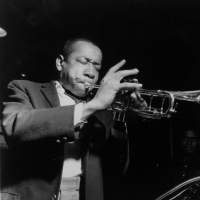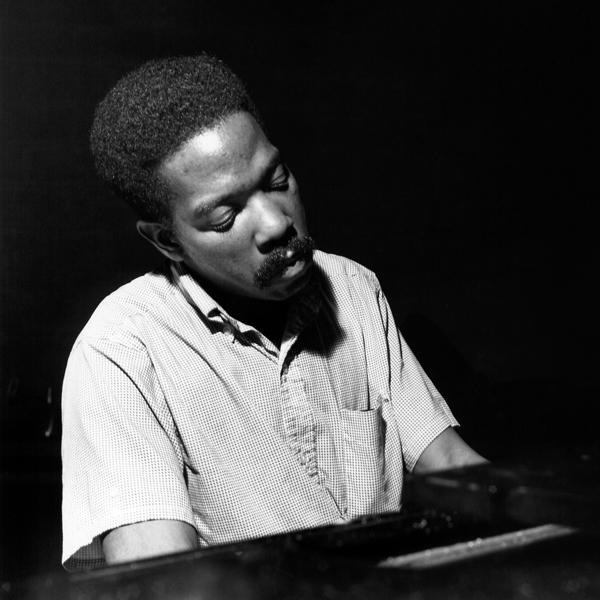
Sonny Clark

Jazz
Jazz Fusion
Bebop
 Viberate Rank: 57337
 Viberate Rank: 57337
 Monthly ListenersFollowers
 Subscribers
 Followers
 Followers
 FansTop Spotify Songs
| Track | 7-Day Streams | |
|---|---|---|
1 | 162.45K | |
2 | 73.66K | |
3 | 62.19K | |
4 | 45.30K | |
5 | 33.67K |
Top YouTube VideosMonthly ListenersFeatured in Playlists| Playlist | Followers | |
|---|---|---|
1 |  Jazz Classics Spotify | 5.08M |
2 |  Jazz Classics Blue Note Edition Spotify | 549.30K |
3 |  Jazz Noir Spotify | 349.57K |
4 |  Focus Jazz Spotify | 330.08K |
5 |  Dark Academia Jazz Spotify | 282.77K |
Audience| City | Monthly Listeners | |
|---|---|---|
1 | | 7.05K |
2 |  | 6.43K |
3 | | 5.69K |
4 | | 4.55K |
5 | | 4.41K |
See full performance history, audience data, playlist activity, rankings, comparisons, and more in Viberate music analytics. Start with a free trial, then continue with a paid plan.
Sonny Clark’s Spotify BioLike Fats Navarro and Charlie Parker before him, Sonny Clark's life was short but it burned with musical intensity. Influenced deeply by Bud Powell, Clark nonetheless developed an intricate and hard-swinging harmonic sensibility that was full of nuance and detail. Regarded as the quintessential hard bop pianist, Clark never got his due before he passed away in 1963 at the age of 31, despite the fact that it can be argued that he never played a bad recording date either as a sideman or as a leader. Known mainly for seven records on the Blue Note label with a host of players including such luminaries as John Coltrane, Art Farmer, Donald Byrd, Jackie McLean, Hank Mobley, Art Taylor, Paul Chambers, Wilbur Ware, Philly Joe Jones, and others, Clark actually made his recording debut with Teddy Charles and Wardell Gray, but left soon after to join Buddy DeFranco. His work with the great clarinetist has been documented in full in a Mosaic set that is now sadly out of print. Clark also backed Di…nah Washington, Serge Chaloff, and Sonny Criss before assuming his role as a leader in 1957. Clark's classic is regarded as Cool Struttin' but each date he led on Blue Note qualifies as a classic, including his final date, Sonny's Crib with John Coltrane. And though commercial success always eluded him, he was in demand as a sideman and played dozens of Alfred Lion-produced dates, including Tina Brooks' Minor Move. Luckily, Clark's contribution is well documented by Alfred Lion; he has achieved far more critical, musical, and popular acclaim than he ever did in life. ~ Thom Jurek, Rovi
Viberate is a music analytics platform built for A&Rs, artist managers, labels, booking agents, marketers, and artists.
It helps music professionals track artist growth, analyze audience data, monitor playlist activity, compare artists, follow song performance, and identify opportunities across the music market.
Public artist pages provide a free preview of selected artist data. Paid plans provide access to deeper analytics, historical data, charts, comparisons, playlist tools, exports, alerts, reports, and additional professional features.
Yes. Public Viberate artist pages provide selected artist analytics and music data for free.
Viberate also offers a 7-day free trial of the full platform. A credit card is required to start the trial. The trial includes access to the complete product so users can test deeper artist analytics, historical views, playlist insights, comparisons, charts, exports, alerts, and reporting features before choosing a paid plan.
Viberate provides artist analytics across streaming, playlists, social media, video, radio airplay, songs, and audience markets.
Users can analyze Spotify performance, Spotify and Apple Music playlists, YouTube activity, TikTok and Instagram growth, radio spins, song performance, audience locations, demographics, rankings, and overall artist momentum.
Artist profiles also connect to music charts, similar artists, and comparison tools, helping users benchmark performance and evaluate artists in context.
Viberate updates key artist and track data daily.
For followed artists and tracks, selected data is refreshed multiple times per day. This helps teams monitor playlist changes, streaming movement, audience growth, releases, and campaign performance with more current data.
Update frequency can vary depending on the metric and data source.
Yes. Viberate lets users compare up to five artists side by side across streaming, social media, audience, and engagement metrics.
Users can compare fanbase growth, audience demographics, locations, Spotify performance, social metrics, and other artist data over selected time periods.
Artist comparison can be used for A&R scouting, benchmarking, booking decisions, campaign planning, and evaluating artists with similar audiences or market positions.