Johnny Hodges

Jazz
Bebop
Smooth Jazz
Swing
 Viberate Rank: 62382
 Viberate Rank: 62382
 Monthly ListenersFollowers
 Subscribers
 Followers
 Followers
 FansTop Spotify Songs
| Track | 7-Day Streams | |
|---|---|---|
1 | 80.15K | |
2 | 39.37K | |
3 | 24.83K | |
4 | 21.68K | |
5 | 15.02K |
Top YouTube VideosMonthly ListenersFeatured in Playlists| Playlist | Followers | |
|---|---|---|
1 |  Jazz Classics Spotify | 5.08M |
2 |  Feel Good Jazz Spotify | 549.36K |
3 |  Soft Jazz Spotify | 359.13K |
4 |  Jazz Noir Spotify | 349.57K |
5 |  Focus Jazz Spotify | 330.08K |
Audience| City | Monthly Listeners | |
|---|---|---|
1 | | 6.36K |
2 |  | 5.75K |
3 | | 4.82K |
4 |  | 4.02K |
5 | | 4.01K |
See full performance history, audience data, playlist activity, rankings, comparisons, and more in Viberate music analytics. Start with a free trial, then continue with a paid plan.
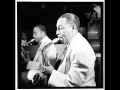
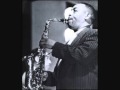
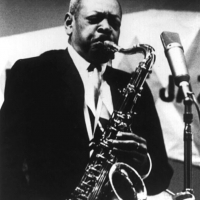
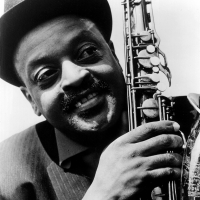
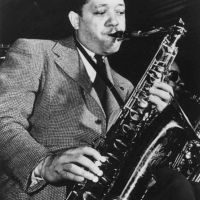
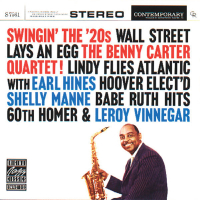
Johnny Hodges’ Spotify BioPossessor of the most beautiful tone ever heard in jazz, altoist Johnny Hodges formed his style early on and had little reason to change it through the decades. Although he could stomp with the best swing players and was masterful on the blues, Hodges' luscious playing on ballads has never been topped. He played drums and piano early on before switching to soprano sax when he was 14. Hodges was taught and inspired by Sidney Bechet, although he soon used alto as his main ax; he would regretfully drop soprano altogether after 1940. His early experiences included playing with Lloyd Scott, Chick Webb, Luckey Roberts, and Willie "The Lion" Smith (1924), and he also had the opportunity to work with Bechet. However, Johnny Hodges' real career began in 1928 when he joined Duke Ellington's orchestra. He quickly became one of the most important solo stars in the band and a real pacesetter on alto; Benny Carter was his only close competition in the 1930s. Hodges was featured on a countless number… of performances with Ellington and also had many chances to lead recording dates with Ellington's sidemen. Whether it was "Things Ain't What They Used to Be," "Come Sunday," or "Passion Flower," Hodges was an indispensable member of Ellington's orchestra in the 1930s and '40s. It was therefore a shock, in 1951, when he decided to leave Duke Ellington and lead a band of his own. Hodges had a quick hit in "Castle Rock" (which ironically showcased Al Sears' tenor and had no real contribution by the altoist), but his combo ended up struggling and breaking up in 1955. Hodges' return to Duke Ellington was a joyous occasion and he never really left again. In the 1960s, Hodges teamed up with organist Wild Bill Davis on some sessions, leading to Davis joining Ellington for a time in 1969. Johnny Hodges, whose unchanging style always managed to sound fresh, was still with Duke Ellington when he suddenly died in 1970. ~ Scott Yanow, Rovi
Viberate is a music analytics platform built for A&Rs, artist managers, labels, booking agents, marketers, and artists.
It helps music professionals track artist growth, analyze audience data, monitor playlist activity, compare artists, follow song performance, and identify opportunities across the music market.
Public artist pages provide a free preview of selected artist data. Paid plans provide access to deeper analytics, historical data, charts, comparisons, playlist tools, exports, alerts, reports, and additional professional features.
Yes. Public Viberate artist pages provide selected artist analytics and music data for free.
Viberate also offers a 7-day free trial of the full platform. A credit card is required to start the trial. The trial includes access to the complete product so users can test deeper artist analytics, historical views, playlist insights, comparisons, charts, exports, alerts, and reporting features before choosing a paid plan.
Viberate provides artist analytics across streaming, playlists, social media, video, radio airplay, songs, and audience markets.
Users can analyze Spotify performance, Spotify and Apple Music playlists, YouTube activity, TikTok and Instagram growth, radio spins, song performance, audience locations, demographics, rankings, and overall artist momentum.
Artist profiles also connect to music charts, similar artists, and comparison tools, helping users benchmark performance and evaluate artists in context.
Viberate updates key artist and track data daily.
For followed artists and tracks, selected data is refreshed multiple times per day. This helps teams monitor playlist changes, streaming movement, audience growth, releases, and campaign performance with more current data.
Update frequency can vary depending on the metric and data source.
Yes. Viberate lets users compare up to five artists side by side across streaming, social media, audience, and engagement metrics.
Users can compare fanbase growth, audience demographics, locations, Spotify performance, social metrics, and other artist data over selected time periods.
Artist comparison can be used for A&R scouting, benchmarking, booking decisions, campaign planning, and evaluating artists with similar audiences or market positions.