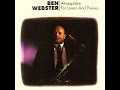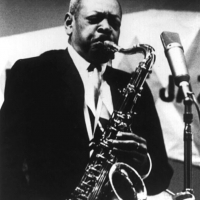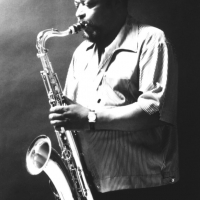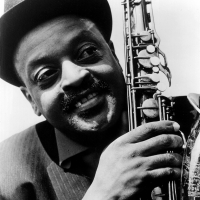
Ben Webster

Jazz
Swing
Smooth Jazz
 Viberate Rank: 30425
 Viberate Rank: 30425
 Monthly ListenersFollowers
 Subscribers
 Followers
 Followers
 FansTop Spotify Songs
| Track | 7-Day Streams | |
|---|---|---|
1 | 95.81K | |
2 | 92.34K | |
3 | 77.96K | |
4 | 69.75K | |
5 | 68.70K |
Top YouTube VideosMonthly ListenersFeatured in Playlists| Playlist | Followers | |
|---|---|---|
1 |  Jazz Classics Spotify | 5.08M |
2 |  Late Night Jazz Spotify | 2.18M |
3 |  French Cafe Lounge Kam Diba | 469.31K |
4 |  Jazz Noir Spotify | 349.57K |
5 |  Focus Jazz Spotify | 330.08K |
Audience| City | Monthly Listeners | |
|---|---|---|
1 | | 16.00K |
2 |  | 13.35K |
3 | | 12.85K |
4 | | 10.83K |
5 | | 9.69K |
See full performance history, audience data, playlist activity, rankings, comparisons, and more in Viberate music analytics. Start with a free trial, then continue with a paid plan.
Ben Webster’s Spotify BioBen Webster was considered one of the "big three" of swing tenors along with Coleman Hawkins (his main influence) and Lester Young. He had a tough, raspy tone on stomps (with his own distinctive growls), yet on ballads he would play with warmth and sentiment. After violin lessons as a child, Webster learned how to play rudimentary piano (his neighbor Pete Johnson taught him to play blues). But after Budd Johnson showed him some basics on the saxophone, Webster played sax in the Young Family Band (which at the time included Lester Young). He had stints with Jap Allen and Blanche Calloway (making his recording debut with the latter) before joining Bennie Moten's Orchestra in time to be one of the stars on a classic session in 1932. Webster spent time with quite a few orchestras in the 1930s, including Andy Kirk, Fletcher Henderson in 1934, Benny Carter, Willie Bryant, Cab Calloway, and the short-lived Teddy Wilson big band.
In 1940 (after short stints in 1935 and 1936), Ben Webster became… Duke Ellington's first major tenor soloist. During the next three years he was on many famous recordings, including "Cotton Tail" -- which in addition to his memorable solo had a saxophone ensemble arranged by Webster -- and "All Too Soon." After leaving Ellington in 1943 (he would return for a time in 1948 and 1949), Webster worked on 52nd Street; recorded frequently as both a leader and a sideman; had short periods with Raymond Scott, John Kirby, and Sid Catlett; and toured with Jazz at the Philharmonic during several seasons in the 1950s. Although his style was falling out of fashion by that decade, Webster's work on ballads became quite popular, and Norman Granz recorded him on many memorable sessions. Webster recorded a classic set with Art Tatum and generally worked steadily, but in 1964 he moved permanently to Copenhagen where he played when he pleased during his last decade. His distinctive tone was a later influence on such diverse players as Archie Shepp, Lew Tabackin, Scott Hamilton, and Bennie Wallace. ~ Scott Yanow, Rovi
Viberate is a music analytics platform built for A&Rs, artist managers, labels, booking agents, marketers, and artists.
It helps music professionals track artist growth, analyze audience data, monitor playlist activity, compare artists, follow song performance, and identify opportunities across the music market.
Public artist pages provide a free preview of selected artist data. Paid plans provide access to deeper analytics, historical data, charts, comparisons, playlist tools, exports, alerts, reports, and additional professional features.
Yes. Public Viberate artist pages provide selected artist analytics and music data for free.
Viberate also offers a 7-day free trial of the full platform. A credit card is required to start the trial. The trial includes access to the complete product so users can test deeper artist analytics, historical views, playlist insights, comparisons, charts, exports, alerts, and reporting features before choosing a paid plan.
Viberate provides artist analytics across streaming, playlists, social media, video, radio airplay, songs, and audience markets.
Users can analyze Spotify performance, Spotify and Apple Music playlists, YouTube activity, TikTok and Instagram growth, radio spins, song performance, audience locations, demographics, rankings, and overall artist momentum.
Artist profiles also connect to music charts, similar artists, and comparison tools, helping users benchmark performance and evaluate artists in context.
Viberate updates key artist and track data daily.
For followed artists and tracks, selected data is refreshed multiple times per day. This helps teams monitor playlist changes, streaming movement, audience growth, releases, and campaign performance with more current data.
Update frequency can vary depending on the metric and data source.
Yes. Viberate lets users compare up to five artists side by side across streaming, social media, audience, and engagement metrics.
Users can compare fanbase growth, audience demographics, locations, Spotify performance, social metrics, and other artist data over selected time periods.
Artist comparison can be used for A&R scouting, benchmarking, booking decisions, campaign planning, and evaluating artists with similar audiences or market positions.