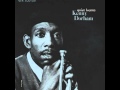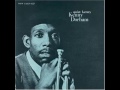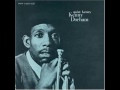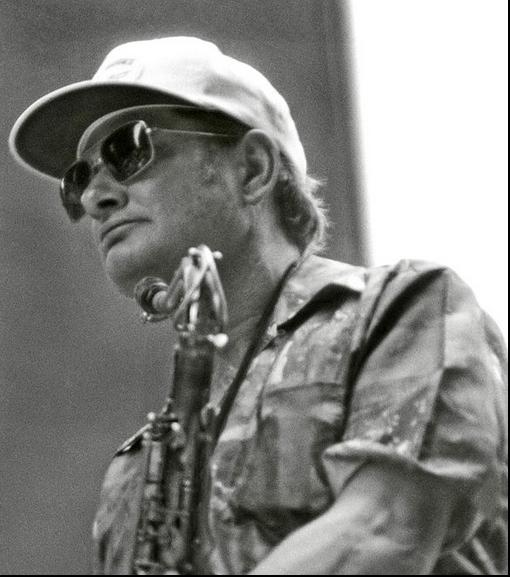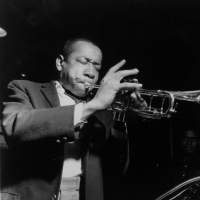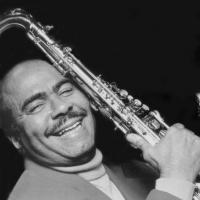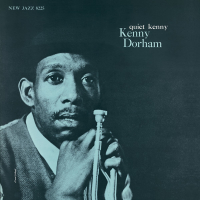
Kenny Dorham

Jazz
Bebop
Smooth Jazz
 Viberate Rank: 55577
 Viberate Rank: 55577
 Monthly ListenersFollowers
 Subscribers
 Followers
 Followers
 FansTop Spotify SongsTop YouTube VideosMonthly ListenersFeatured in Playlists
| Playlist | Followers | |
|---|---|---|
1 |  Jazz Classics Spotify | 5.08M |
2 |  Jazz Classics Blue Note Edition Spotify | 549.36K |
3 |  66 GREENE _BY.ALEXANDER | 395.68K |
4 |  Dark Academia Jazz Spotify | 282.85K |
5 |  Instrumental Jazz Standards Spotify | 184.17K |
Audience| City | Monthly Listeners | |
|---|---|---|
1 | | 7.07K |
2 | | 5.97K |
3 |  | 5.86K |
4 | | 4.64K |
5 | | 4.51K |
See full performance history, audience data, playlist activity, rankings, comparisons, and more in Viberate music analytics. Start with a free trial, then continue with a paid plan.
Kenny Dorham’s Spotify BioKenny Dorham had a deeply moving, pure tone on trumpet; his sound was clear, sharp, and piercing, especially during ballads. He could spin out phrases and lines, but when he slowly and sweetly played the melody it was an evocative event. Dorham was a gifted all-round trumpeter, but seldom showcased his complete skills, preferring an understated, subtle approach. Unfortunately, he never received much publicity, and though a highly intelligent, thoughtful individual who wrote insightful commentary on jazz, he's little more than a footnote to many fans.
Dorham studied and played trumpet, tenor sax, and piano. He was a bandmember in high school and college; a college bandmate was Wild Bill Davis. Dorham started during the swing era, but was recruited by Dizzy Gillespie and Billy Eckstine to join their bands in the mid-'40s. He even sang blues with Gillespie's band. He recorded with the Be Bop Boys on Savoy in 1946. After short periods with Lionel Hampton and Mercer Ellington, Dorham joined …Charlie Parker's group in 1948, staying there until 1949. He did sessions in New York during the early and mid-'50s, making his recording debut as a leader on Charles Mingus and Max Roach's Debut label in 1953. He then cut Afro-Cuban for Blue Note with Cecil Payne, Hank Mobley, and Horace Silver in 1955.
Dorham was a founding member of Art Blakey's Jazz Messengers in 1954, and also led a short-lived similar band, the Jazz Prophets. Dorham played on the soundtrack of A Star Is Born in 1954, then spent two years with Max Roach from 1956 to 1958. There were dates for Riverside in the late '50s with Paul Chambers, Tommy Flanagan, and Art Taylor, plus other sessions with ABC-Paramount, three volumes for Blue Note done live at the Cafe Bohemia, and an intriguing but uneven session with John Coltrane and Cecil Taylor, Coltrane Time, in 1958.
Dorham taught at the Lenox School of Jazz in 1958 and 1959, and wrote scores for the films Les Liaisons Dangereuses and Un Témoin dans la Ville in 1959. During the mid-'60s, he co-led a band with tenor saxophonist Joe Henderson that was shamefully neglected. There were such classic Blue Note releases as Whistle Stop, Una Mas, and Trumpet Toccata. Dorham made one album for Cadet in 1970, Kenny Dorham Sextet, with Muhal Richard Abrams. He died in 1972. Several of his Blue Note albums have been reissued, while his Prestige and Riverside dates have come out in sporadic fashion, some in two-record samplers. Other material for Pacific Jazz, United Artists, Steeplechase, Xanadu, and Time isn't as widely available. ~ Ron Wynn, Rovi
Viberate is a music analytics platform built for A&Rs, artist managers, labels, booking agents, marketers, and artists.
It helps music professionals track artist growth, analyze audience data, monitor playlist activity, compare artists, follow song performance, and identify opportunities across the music market.
Public artist pages provide a free preview of selected artist data. Paid plans provide access to deeper analytics, historical data, charts, comparisons, playlist tools, exports, alerts, reports, and additional professional features.
Yes. Public Viberate artist pages provide selected artist analytics and music data for free.
Viberate also offers a 7-day free trial of the full platform. A credit card is required to start the trial. The trial includes access to the complete product so users can test deeper artist analytics, historical views, playlist insights, comparisons, charts, exports, alerts, and reporting features before choosing a paid plan.
Viberate provides artist analytics across streaming, playlists, social media, video, radio airplay, songs, and audience markets.
Users can analyze Spotify performance, Spotify and Apple Music playlists, YouTube activity, TikTok and Instagram growth, radio spins, song performance, audience locations, demographics, rankings, and overall artist momentum.
Artist profiles also connect to music charts, similar artists, and comparison tools, helping users benchmark performance and evaluate artists in context.
Viberate updates key artist and track data daily.
For followed artists and tracks, selected data is refreshed multiple times per day. This helps teams monitor playlist changes, streaming movement, audience growth, releases, and campaign performance with more current data.
Update frequency can vary depending on the metric and data source.
Yes. Viberate lets users compare up to five artists side by side across streaming, social media, audience, and engagement metrics.
Users can compare fanbase growth, audience demographics, locations, Spotify performance, social metrics, and other artist data over selected time periods.
Artist comparison can be used for A&R scouting, benchmarking, booking decisions, campaign planning, and evaluating artists with similar audiences or market positions.