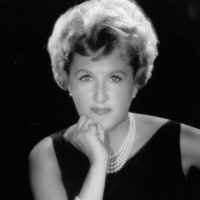
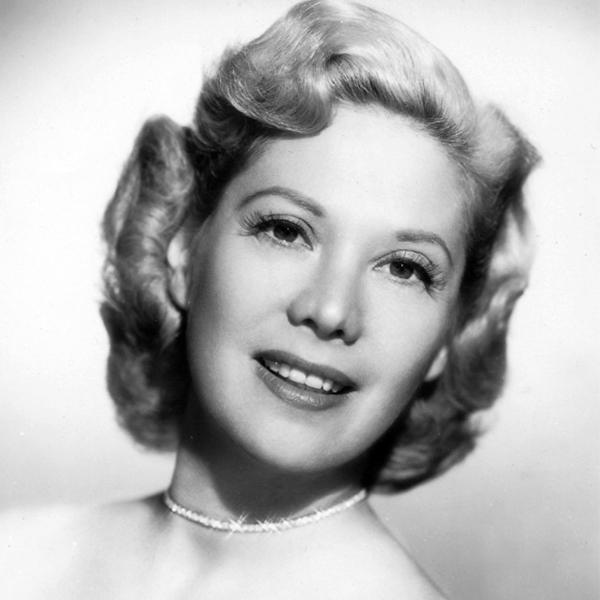
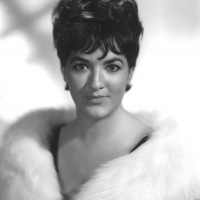
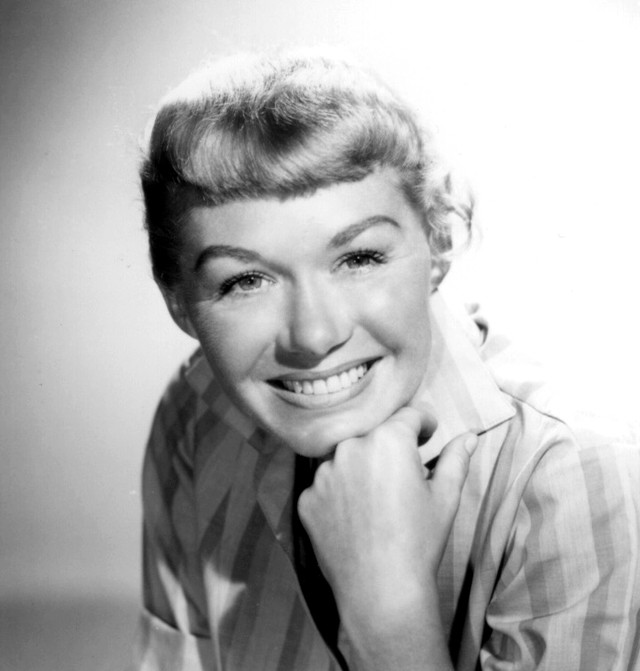
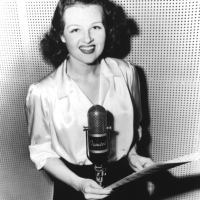
Jeri Southern

Jazz
Big band Jazz
Vocal jazz
Mainstream Pop
 Viberate Rank: 108013
 Viberate Rank: 108013
 Monthly ListenersFollowers
 Subscribers
 Followers
 Followers
 FansTop Spotify Songs
| Track | 7-Day Streams | |
|---|---|---|
1 | 31.07K | |
2 | 23.62K | |
3 | 23.58K | |
4 | 22.35K | |
5 | 17.11K |
Top YouTube VideosMonthly ListenersFeatured in Playlists| Playlist | Followers | |
|---|---|---|
1 |  Jazz for Lovers Spotify | 345.37K |
2 |  Classic Voices in Jazz Spotify | 250.32K |
3 |  CENTRAL PARK Grace Galster | 39.49K |
4 | Cooking Music Alberto Cota | 35.55K |
5 |  jazz for cooking Gabriel Machado | 31.05K |
Audience| City | Monthly Listeners | |
|---|---|---|
1 | | 2.88K |
2 |  | 2.85K |
3 | | 2.63K |
4 | | 1.90K |
5 |  | 1.69K |
See full performance history, audience data, playlist activity, rankings, comparisons, and more in Viberate music analytics. Start with a free trial, then continue with a paid plan.
Jeri Southern’s Spotify BioA converted piano player and vocal coach, Jeri Southern became one of the most underrated jazz vocal interpreters of the 1950s despite a voice regarded as subpar. Transforming a potential failing into her prime strength, Southern was devastatingly effective at delivering songs charting the downhill romantic life of world-weary everywoman characters. After recording for Decca, Roulette, Capitol and Jasmine during the 1950s though, she abruptly retired after growing tired of the music industry.
Born in rural Nebraska, Jeri Southern played piano by ear at the age of three and began formal lessons three years later. She studied classical piano and voice at a school in Omaha, but after an introduction to jazz at a local nightclub, Southern quickly changed her focus. After graduation, she moved to Chicago and began making appearances at clubs during the late '40s, occasionally supporting Anita O'Day. Convinced to begin singing as well, Southern abandoned her classical training and began… singing in a voice just several steps removed from her speaking voice.
After signing to Decca in 1951, her first hit, "You Better Go Now," established her style -- lyrically focused, somewhat desultory, and definitely lovesick, the style of singing often called (for better or worse) torch songs. Her decidedly unflashy voice lent additional weight to the lyrical concerns of other Southern favorites like "I Don't Know Where to Turn," "Ev'ry Time We Say Goodbye," "Someone to Watch Over Me" and "If I Had You." She also had a moderate hit in 1954 with "Joey" and toured with the Birdland Jazz Stars of 1957. Southern's LPs of the '50s for Decca utilized mostly small groups in an era of large orchestras, including top-flight jazz-pop names like Ralph Burns, Dave Barbour and Marty Paich.
After Southern recorded two LPs for Roulette during 1958, she moved to Capitol for her most celebrated album, 1959's Jeri Southern Meets Cole Porter, arranged by Billy May. She recorded only one additional LP for Capitol (live at the Crescendo) before retiring in 1961, disgusted at the state of traditional pop. She married several times, raised a family and worked as a piano/vocal coach in Hollywood until her death (from double pneumonia) in 1991. She was booked for her first studio time in years at the time of her death. ~ John Bush, Rovi
Viberate is a music analytics platform built for A&Rs, artist managers, labels, booking agents, marketers, and artists.
It helps music professionals track artist growth, analyze audience data, monitor playlist activity, compare artists, follow song performance, and identify opportunities across the music market.
Public artist pages provide a free preview of selected artist data. Paid plans provide access to deeper analytics, historical data, charts, comparisons, playlist tools, exports, alerts, reports, and additional professional features.
Yes. Public Viberate artist pages provide selected artist analytics and music data for free.
Viberate also offers a 7-day free trial of the full platform. A credit card is required to start the trial. The trial includes access to the complete product so users can test deeper artist analytics, historical views, playlist insights, comparisons, charts, exports, alerts, and reporting features before choosing a paid plan.
Viberate provides artist analytics across streaming, playlists, social media, video, radio airplay, songs, and audience markets.
Users can analyze Spotify performance, Spotify and Apple Music playlists, YouTube activity, TikTok and Instagram growth, radio spins, song performance, audience locations, demographics, rankings, and overall artist momentum.
Artist profiles also connect to music charts, similar artists, and comparison tools, helping users benchmark performance and evaluate artists in context.
Viberate updates key artist and track data daily.
For followed artists and tracks, selected data is refreshed multiple times per day. This helps teams monitor playlist changes, streaming movement, audience growth, releases, and campaign performance with more current data.
Update frequency can vary depending on the metric and data source.
Yes. Viberate lets users compare up to five artists side by side across streaming, social media, audience, and engagement metrics.
Users can compare fanbase growth, audience demographics, locations, Spotify performance, social metrics, and other artist data over selected time periods.
Artist comparison can be used for A&R scouting, benchmarking, booking decisions, campaign planning, and evaluating artists with similar audiences or market positions.