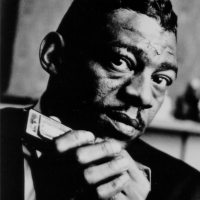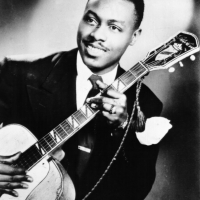
Jimmy Rogers

Blues
Classic Blues
Contemporary Blues
 Viberate Rank: 86269
 Viberate Rank: 86269
 Monthly ListenersFollowers
 Subscribers
 Followers
 Followers
 FansTop Spotify Songs
| Track | 7-Day Streams | |
|---|---|---|
1 | 31.97K | |
2 | 31.64K | |
3 | 12.27K | |
4 | 7.76K | |
5 | 3.33K |
Top YouTube VideosMonthly ListenersFeatured in Playlists| Playlist | Followers | |
|---|---|---|
1 |  Blues Classics Spotify | 2.33M |
2 |  Chicago Blues Spotify | 191.06K |
3 |  Greatest Blues Jared Kerkhof | 56.18K |
4 | Blues Harmonica Mikael Levinsson | 33.48K |
5 |  Essential Classics Essential Classics | 31.39K |
Audience| City | Monthly Listeners | |
|---|---|---|
1 |  | 3.37K |
2 |  | 1.45K |
3 |  | 1.37K |
4 |  | 1.28K |
5 |  | 1.17K |
See full performance history, audience data, playlist activity, rankings, comparisons, and more in Viberate music analytics. Start with a free trial, then continue with a paid plan.
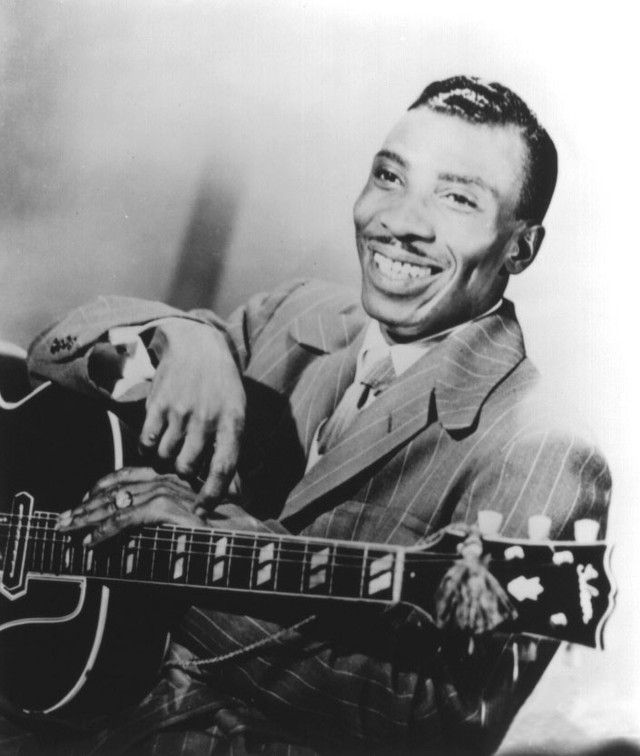
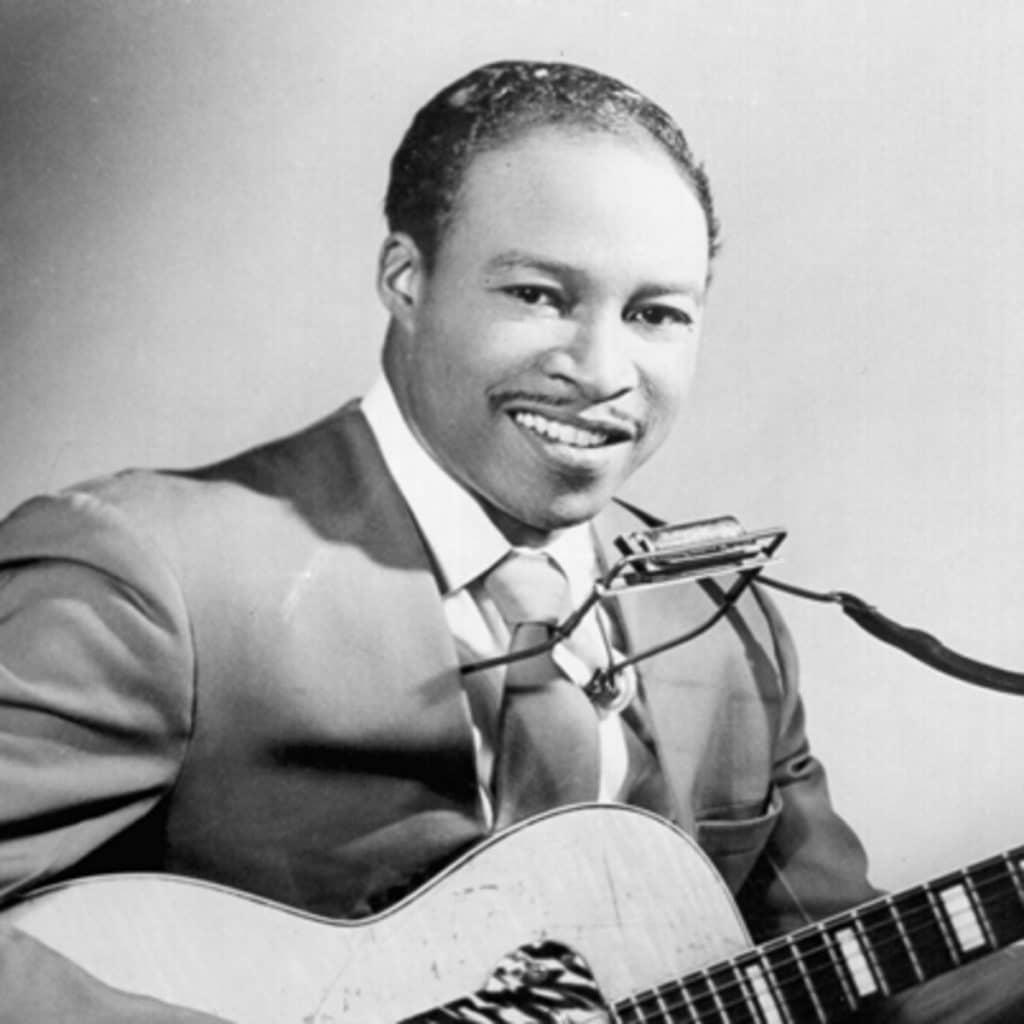
Jimmy Rogers’ Spotify BioGuitarist Jimmy Rogers was the last living connection to the groundbreaking first Chicago band of Muddy Waters (informally dubbed "the Headhunters" for their penchant of dropping by other musicians' gigs and "cutting their heads" with a superior on-stage performance). Instead of basking in world-wide veneration, he was merely a well-respected Chicago elder boasting a seminal '50s Chess Records catalog, both behind Waters and on his own.
Born James A. Lane (Rogers was his stepdad's surname), the guitarist grew up all over: Mississippi, Atlanta, West Memphis, Memphis, and St. Louis. Actually, Rogers started out on harp as a teenager. Big Bill Broonzy, Joe Willie Wilkins, and Robert Jr. Lockwood all influenced him, the latter two when he passed through Helena. Rogers settled in Chicago during the early '40s and began playing professionally around 1946, gigging with Sonny Boy Williamson, Sunnyland Slim, and Broonzy.
Rogers was playing harp with guitarist Blue Smitty when Muddy Waters joined… them. When Smitty split, Little Walter was welcomed into the configuration, Rogers switched over to second guitar, and the entire post-war Chicago blues genre felt the stylistic earthquake that directly followed. Rogers made his recorded debut as a leader in 1947 for the tiny Ora-Nelle logo, then saw his efforts for Regal and Apollo go unissued.
Those labels' monumental errors in judgment were the gain of Leonard Chess, who recognized the comparatively smooth-voiced Rogers' potential as a blues star in his own right. (He first played with Muddy Waters on an Aristocrat 78 in 1949 and remained his indispensable rhythm guitarist on wax into 1955.) With Walter and bassist Big Crawford laying down support, Rogers' debut Chess single in 1950, "That's All Right," has earned standard status after countless covers, but his version still reigns supreme.
Rogers' artistic quality was remarkably high while at Chess. "The World Is in a Tangle," "Money, Marbles and Chalk," "Back Door Friend," "Left Me with a Broken Heart," "Act Like You Love Me," and the 1954 rockers "Sloppy Drunk" and "Chicago Bound" are essential early-'50s Chicago blues.
In 1955, Rogers left Muddy Waters to venture out as a bandleader, cutting another gem, "You're the One," for Chess. He made his only appearance on Billboard's R&B charts in early 1957 with the driving "Walking by Myself," which boasted a stunning harp solo from Big Walter Horton (a last-second stand-in for no-show Good Rockin' Charles). The tune itself was an adaptation of a T-Bone Walker tune, "Why Not," that Rogers had played rhythm guitar on when Walker cut it for Atlantic.
By 1957, blues was losing favor at Chess, the label reaping the rewards of rock via Chuck Berry and Bo Diddley. Rogers' platters slowed to a trickle, though his 1959 Chess farewell, "Rock This House," ranked with his most exciting outings (Reggie Boyd's light-fingered guitar wasn't the least of its charms).
Rogers virtually retired from music for a time during the '60s, operating a Westside clothing shop that burned down in the aftermath of Dr. Martin Luther King's tragic assassination. He returned to the studio in 1972 for Leon Russell's Shelter logo, cutting his first LP, Gold-Tailed Bird (with help from the Aces and Freddie King). There were a few more fine albums -- notably Ludella, a 1990 set for Antone's -- but Rogers never fattened his discography nearly as much as some of his contemporaries have. Jimmy's son, Jimmy D. Lane, played rhythm guitar in his dad's band and fronts a combo of his own on the side. Rogers died December 19, 1997. At the time of his death, he was working on an all-star project featuring contributions from Eric Clapton, Taj Mahal, Robert Plant, and Jimmy Page, and Mick Jagger and Keith Richards; upon its completion, the disc was issued posthumously in early 1999 under the title Blues, Blues, Blues. ~ Bill Dahl, Rovi
Viberate is a music analytics platform built for A&Rs, artist managers, labels, booking agents, marketers, and artists.
It helps music professionals track artist growth, analyze audience data, monitor playlist activity, compare artists, follow song performance, and identify opportunities across the music market.
Public artist pages provide a free preview of selected artist data. Paid plans provide access to deeper analytics, historical data, charts, comparisons, playlist tools, exports, alerts, reports, and additional professional features.
Yes. Public Viberate artist pages provide selected artist analytics and music data for free.
Viberate also offers a 7-day free trial of the full platform. A credit card is required to start the trial. The trial includes access to the complete product so users can test deeper artist analytics, historical views, playlist insights, comparisons, charts, exports, alerts, and reporting features before choosing a paid plan.
Viberate provides artist analytics across streaming, playlists, social media, video, radio airplay, songs, and audience markets.
Users can analyze Spotify performance, Spotify and Apple Music playlists, YouTube activity, TikTok and Instagram growth, radio spins, song performance, audience locations, demographics, rankings, and overall artist momentum.
Artist profiles also connect to music charts, similar artists, and comparison tools, helping users benchmark performance and evaluate artists in context.
Viberate updates key artist and track data daily.
For followed artists and tracks, selected data is refreshed multiple times per day. This helps teams monitor playlist changes, streaming movement, audience growth, releases, and campaign performance with more current data.
Update frequency can vary depending on the metric and data source.
Yes. Viberate lets users compare up to five artists side by side across streaming, social media, audience, and engagement metrics.
Users can compare fanbase growth, audience demographics, locations, Spotify performance, social metrics, and other artist data over selected time periods.
Artist comparison can be used for A&R scouting, benchmarking, booking decisions, campaign planning, and evaluating artists with similar audiences or market positions.