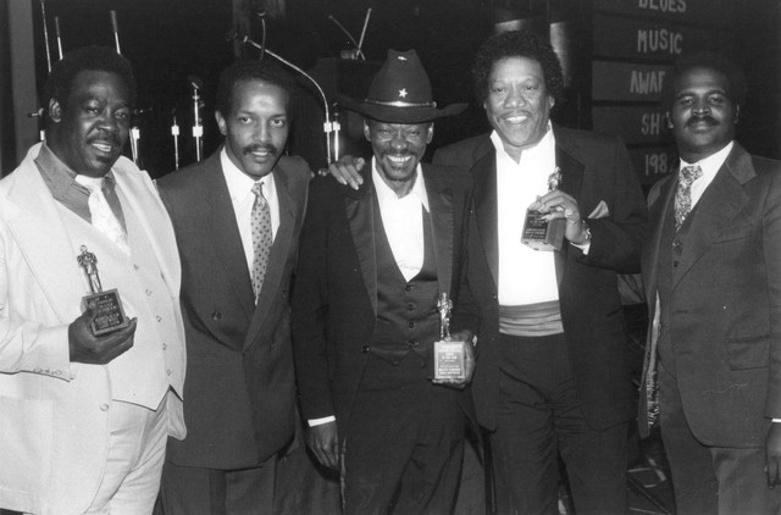
Larry Davis

Blues
Contemporary Blues
 Viberate Rank: 216851
 Viberate Rank: 216851
 Monthly ListenersFollowers
 Subscribers
 Followers
 Followers
 FansTop Spotify Songs
| Track | 7-Day Streams | |
|---|---|---|
1 | 15.99K | |
2 | 9.20K | |
3 | 2.40K | |
4 | 2.02K | |
5 | 1.30K |
Top YouTube VideosMonthly ListenersFeatured in Playlists| Playlist | Followers | |
|---|---|---|
1 |  Blues Classics Spotify | 2.33M |
2 |  Lone Star Blues Spotify | 184.28K |
3 |  Blues Ballads/ Slow Blues Joar Fosså | 39.54K |
4 | Rolitas que suenan rico🫶🏻✨ Owlgirl_Eve | 16.15K |
5 |  Whiskey Blues 🥃 Gritty Guitar & Soulful Vocals | Relax & Unwind Relaxing Blues Music | 14.67K |
Audience| City | Monthly Listeners | |
|---|---|---|
1 | | 1.84K |
2 |  | 710 |
3 |  | 707 |
4 |  | 692 |
5 |  | 631 |
See full performance history, audience data, playlist activity, rankings, comparisons, and more in Viberate music analytics. Start with a free trial, then continue with a paid plan.
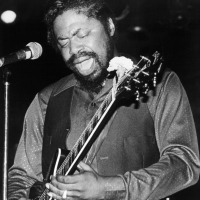
Larry Davis’ Spotify BioAnyone who associates "Texas Flood" only with Stevie Ray Vaughan has never auditioned Larry Davis' version. Davis debuted on vinyl in 1958 with the song, his superlative Duke Records original remaining definitive to this day despite Vaughan's impassioned revival many years down the road.
Davis grew up in Little Rock, AR, giving up the drums to play bass. Forging an intermittent partnership with guitarist Fenton Robinson during the mid-'50s, the pair signed with Don Robey's Duke label on the recommendation of Bobby Bland. Three Davis 45s resulted, including "Texas Flood" and "Angels in Houston," before Robey cut Davis loose. From there, Davis was forced to make the most of limited opportunities in the studio. He lived in St. Louis for a spell and took up the guitar under Albert King's tutelage while playing bass in King's band.
A handful of singles for Virgo and Kent and a serious 1972 motorcycle accident that temporarily paralyzed Davis' left side preceded an impressive 1982 album for… Rooster Blues, Funny Stuff, produced by Gateway City mainstay Oliver Sain. But follow-up options remained hard to come by: few blues fans could find a copy of the guitarist's 1987 Pulsar LP I Ain't Beggin' Nobody.
Finally, in 1992, Ron Levy's Bulleye Blues logo issued a first-class Davis set, Sooner or Later, that skillfully showcased his rich, booming vocals and concise, Albert King-influenced guitar. Unfortunately, it came later rather than sooner: Davis died of cancer in the spring of 1994. ~ Bill Dahl, Rovi
Viberate is a music analytics platform built for A&Rs, artist managers, labels, booking agents, marketers, and artists.
It helps music professionals track artist growth, analyze audience data, monitor playlist activity, compare artists, follow song performance, and identify opportunities across the music market.
Public artist pages provide a free preview of selected artist data. Paid plans provide access to deeper analytics, historical data, charts, comparisons, playlist tools, exports, alerts, reports, and additional professional features.
Yes. Public Viberate artist pages provide selected artist analytics and music data for free.
Viberate also offers a 7-day free trial of the full platform. A credit card is required to start the trial. The trial includes access to the complete product so users can test deeper artist analytics, historical views, playlist insights, comparisons, charts, exports, alerts, and reporting features before choosing a paid plan.
Viberate provides artist analytics across streaming, playlists, social media, video, radio airplay, songs, and audience markets.
Users can analyze Spotify performance, Spotify and Apple Music playlists, YouTube activity, TikTok and Instagram growth, radio spins, song performance, audience locations, demographics, rankings, and overall artist momentum.
Artist profiles also connect to music charts, similar artists, and comparison tools, helping users benchmark performance and evaluate artists in context.
Viberate updates key artist and track data daily.
For followed artists and tracks, selected data is refreshed multiple times per day. This helps teams monitor playlist changes, streaming movement, audience growth, releases, and campaign performance with more current data.
Update frequency can vary depending on the metric and data source.
Yes. Viberate lets users compare up to five artists side by side across streaming, social media, audience, and engagement metrics.
Users can compare fanbase growth, audience demographics, locations, Spotify performance, social metrics, and other artist data over selected time periods.
Artist comparison can be used for A&R scouting, benchmarking, booking decisions, campaign planning, and evaluating artists with similar audiences or market positions.