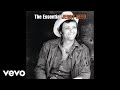
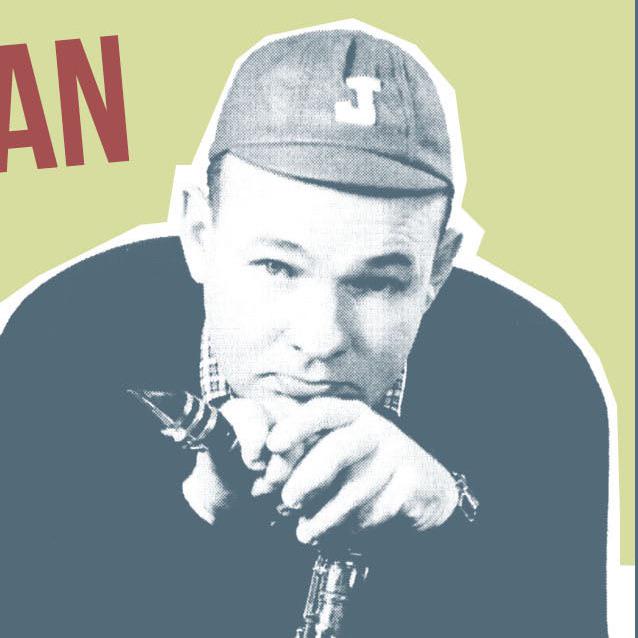
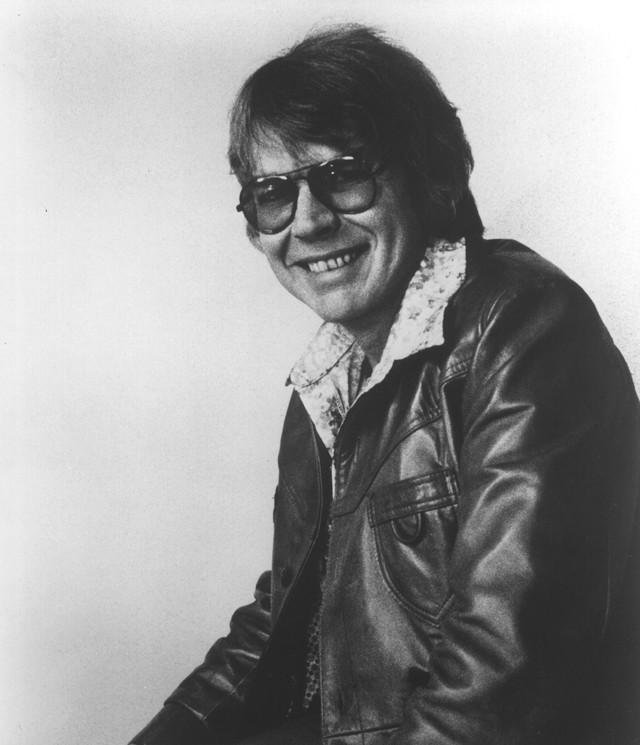
Jerry Reed

Country
Contemporary Country
 Viberate Rank: 19166
 Viberate Rank: 19166
 Monthly ListenersFollowers
 Subscribers
 Followers
 Followers
 FansTop Spotify Songs
| Track | 7-Day Streams | |
|---|---|---|
1 | 304.31K | |
2 | 142.50K | |
3 | 137.76K | |
4 | 69.00K | |
5 | 50.49K |
Top YouTube VideosMonthly ListenersFeatured in Playlists| Playlist | Followers | |
|---|---|---|
1 |  80s Country Spotify | 755.91K |
2 |  70s Country Spotify | 320.75K |
3 |  Old country classics and more Sam B. | 227.72K |
4 |  Outlaw Country ramblinman66 | 149.60K |
5 |  K-Rose (GTA: SA) Rockstar Games | 145.53K |
Audience| City | Monthly Listeners | |
|---|---|---|
1 | | 24.94K |
2 | | 22.53K |
3 | | 21.33K |
4 | | 20.04K |
5 | | 19.32K |
See full performance history, audience data, playlist activity, rankings, comparisons, and more in Viberate music analytics. Start with a free trial, then continue with a paid plan.
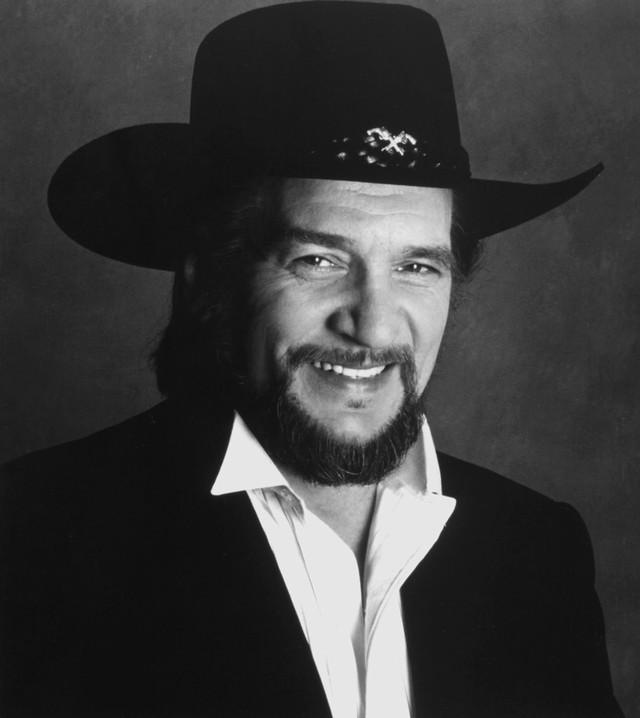
Jerry Reed’s Spotify BioKnown throughout country music as "the Guitar Man," singer/songwriter Jerry Reed gained recognition not only for a successful solo career but also as an actor and ace session player. Jerry Reed Hubbard was born in Atlanta, GA, on March 20, 1937; after picking up the guitar as a child, he was signed by publisher and producer Bill Lowery to cut his first record, "If the Good Lord's Willing and the Creeks Don't Rise," at the age of 18. He continued releasing both country and rockabilly singles to little notice until rocker Gene Vincent covered his "Crazy Legs" in 1958.
After a two-year tenure in the military, Reed moved to Nashville in 1961 to continue his songwriting career, which had continued to gather steam even as he was in the armed forces, thanks to Brenda Lee's 1960 cover of his "That's All You Got to Do." He also became a popular session and tour guitarist. In 1962, he scored some success with the singles "Goodnight Irene" and "Hully Gully Guitar," which found their way to Chet… Atkins, who produced Reed's 1965 "If I Don't Live Up to It." In 1967, he notched his first chart hit with "Guitar Man," which Elvis Presley soon covered. After Presley recorded another of Reed's songs, "U.S. Male," the songwriter recorded an Elvis tribute, "Tupelo Mississippi Flash," which proved to be his first Top 20 hit.
After releasing the 1970 crossover hit "Amos Moses," a hybrid of rock, country, and Cajun styles, Reed teamed with Atkins for the duet LP Me and Jerry. During the 1970 television season, he was a regular on The Glen Campbell Goodtime Hour, and in 1971 issued his biggest hit, the chart-topper "When You're Hot, You're Hot," which was also the title track of that year's album. A second collaboration with Atkins, Me and Chet, followed in 1972, as did a series of Top 40 singles, which alternated between frenetic, straightforward country offerings and more pop-flavored countrypolitan material. A year later, he scored his second number one, "Lord, Mr. Ford," from the album The Uptown Poker Club.
In the mid-'70s, Reed's recording career began to take a back seat to his acting aspirations, and in 1974, he co-starred with his close friend Burt Reynolds in the film W.W. and the Dixie Dancekings. While he continued to record throughout the decade, his greatest visibility was as a motion picture star, almost always in tandem with headliner Reynolds; after 1976's Gator, Reed appeared in 1978's High Ballin' and 1979's Hot Stuff. He also co-starred in all three of the Smokey and the Bandit films; the first, which premiered in 1977, landed Reed a number two hit with the soundtrack's "East Bound and Down."
In 1979 he released a record comprised of both vocal and instrumental selections titled, appropriately enough, Half & Half. It was followed two years later by Jerry Reed Sings Jim Croce, a tribute to the late singer/songwriter. In 1982 Reed's career as a singles artist was revitalized by the chart-topping novelty hit "She Got the Goldmine (I Got the Shaft)," followed by "The Bird," which peaked at number two. His last chart hit, "I'm a Slave," appeared in 1983. After an unsuccessful 1986 LP, Lookin' at You, Reed focused on touring until 1992, when he and Atkins reunited for the album Sneakin' Around before he again returned to the road. He recorded sparingly during the '90s, earning a higher profile via a film appearance in the Adam Sandler vehicle The Waterboy. Inactive during much of the 2000s, he died in 2008 due to emphysema. ~ Jason Ankeny, Rovi
Viberate is a music analytics platform built for A&Rs, artist managers, labels, booking agents, marketers, and artists.
It helps music professionals track artist growth, analyze audience data, monitor playlist activity, compare artists, follow song performance, and identify opportunities across the music market.
Public artist pages provide a free preview of selected artist data. Paid plans provide access to deeper analytics, historical data, charts, comparisons, playlist tools, exports, alerts, reports, and additional professional features.
Yes. Public Viberate artist pages provide selected artist analytics and music data for free.
Viberate also offers a 7-day free trial of the full platform. A credit card is required to start the trial. The trial includes access to the complete product so users can test deeper artist analytics, historical views, playlist insights, comparisons, charts, exports, alerts, and reporting features before choosing a paid plan.
Viberate provides artist analytics across streaming, playlists, social media, video, radio airplay, songs, and audience markets.
Users can analyze Spotify performance, Spotify and Apple Music playlists, YouTube activity, TikTok and Instagram growth, radio spins, song performance, audience locations, demographics, rankings, and overall artist momentum.
Artist profiles also connect to music charts, similar artists, and comparison tools, helping users benchmark performance and evaluate artists in context.
Viberate updates key artist and track data daily.
For followed artists and tracks, selected data is refreshed multiple times per day. This helps teams monitor playlist changes, streaming movement, audience growth, releases, and campaign performance with more current data.
Update frequency can vary depending on the metric and data source.
Yes. Viberate lets users compare up to five artists side by side across streaming, social media, audience, and engagement metrics.
Users can compare fanbase growth, audience demographics, locations, Spotify performance, social metrics, and other artist data over selected time periods.
Artist comparison can be used for A&R scouting, benchmarking, booking decisions, campaign planning, and evaluating artists with similar audiences or market positions.