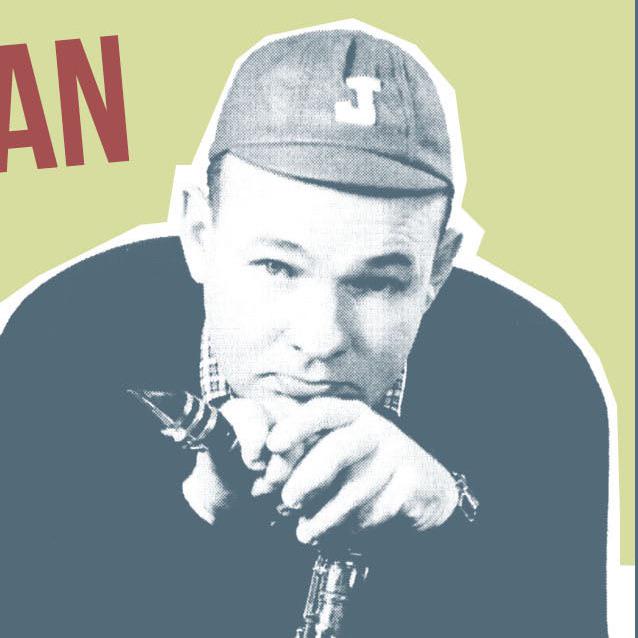
Bill Justis

Rock
Rockabilly
Garage Rock
 Viberate Rank: 90328
 Viberate Rank: 90328
 Monthly ListenersFollowers
 Subscribers
 Followers
 Followers
 FansTop Spotify Songs
| Track | 7-Day Streams | |
|---|---|---|
1 | 50.49K | |
2 | 41.16K | |
3 | 36.20K | |
4 | 15.91K | |
5 | 4.00K |
Top YouTube VideosMonthly ListenersFeatured in Playlists| Playlist | Followers | |
|---|---|---|
1 |  Outlaw Country ramblinman66 | 149.60K |
2 | I’m sorry officer, the laws of the road don’t apply when the guitar solo from Free Bird is on Josh | 131.14K |
3 |  Country's Greatest Hits 🤠 (70s, 80s, & 90s) susie & tad emerick | 40.84K |
4 |  The Old Western Cowboy Shane | 34.96K |
5 |  Old Country Classics Glenn Asbjørn B. Ovedal | 34.48K |
Audience| City | Monthly Listeners | |
|---|---|---|
1 | | 4.14K |
2 | | 4.00K |
3 | | 3.81K |
4 |  | 3.59K |
5 | | 3.35K |
See full performance history, audience data, playlist activity, rankings, comparisons, and more in Viberate music analytics. Start with a free trial, then continue with a paid plan.
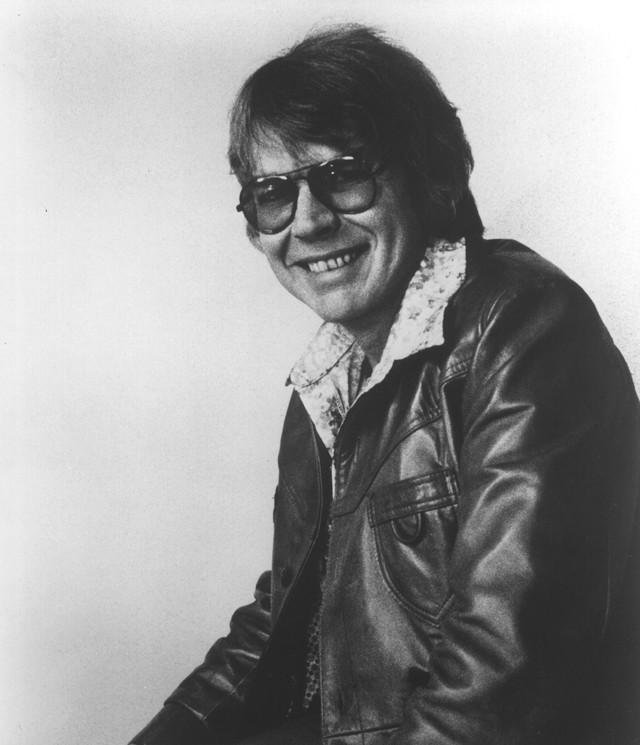
Bill Justis’ Spotify BioBest known to most listeners for the aptly titled instrumental smash "Raunchy," Bill Justis was also a longtime linchpin of the Nashville recording community, working as a producer, musical director, and A&R man for labels including Sun and Mercury. Born October 14, 1926, in Birmingham, Alabama, he grew up in Memphis, studying music and English at Tulane University while playing trumpet in local jazz and dance bands. In 1957, the legendary Sam Phillips hired Justis to serve as the musical director for his Sun Records label. At 30, Justis was a good decade older than most of Sun's artists and had little interest in rock & roll until he learned just how lucrative the music had become. With guitarist Sid Manker, Justis composed a wild, primitive instrumental they dubbed "Backwoods"; Phillips renamed the tune "Raunchy," releasing it as a single in November 1957. Although Justis' honking tenor sax assumed center stage, what made "Raunchy" so unique was Manker's guitar; he forged the song's… distinctive riff not from the traditional middle strings but from the bass strings, creating a cavernous, resonant sound further buffered by studio echo. The single proved Sun's best-selling instrumental release ever, staying in the pop Top 40 for 14 weeks.
Justis would nevertheless score only more chart hit, "College Man," which only went as high as number 42. He continued recording the occasional single (including "Flea Circus," penned by Steve Cropper), but by and large focused the remainder of his career on studio work, arranging sessions for Jerry Lee Lewis, Johnny Cash, and Roy Orbison. Justis also discovered Charlie Rich at Memphis night spot The Sharecropper Club and brought him to Sun in 1960, arranging Rich's first major hit, "Lonely Weekends." However, squabbles with Phillips prompted Justis to leave Sun soon after, and he formed his own label, the short-lived Play Me Records. After moving to Nashville and briefly reuniting with Rich at RCA, he landed with Mercury, which remained his home for the remainder of his career. In the years to follow, Justis would arrange records for everyone from Patsy Cline to Dean Martin to Tom Jones, also recording a series of instrumental LPs for Mercury's Smash subsidiary. In 1972 he scored his first film, Dear Dead Delilah. In 1977, he scored the smash Smokey and the Bandit, reuniting with star Burt Reynolds a year later for Hooper. Justis died of cancer on July 15, 1982. ~ Jason Ankeny, Rovi
Viberate is a music analytics platform built for A&Rs, artist managers, labels, booking agents, marketers, and artists.
It helps music professionals track artist growth, analyze audience data, monitor playlist activity, compare artists, follow song performance, and identify opportunities across the music market.
Public artist pages provide a free preview of selected artist data. Paid plans provide access to deeper analytics, historical data, charts, comparisons, playlist tools, exports, alerts, reports, and additional professional features.
Yes. Public Viberate artist pages provide selected artist analytics and music data for free.
Viberate also offers a 7-day free trial of the full platform. A credit card is required to start the trial. The trial includes access to the complete product so users can test deeper artist analytics, historical views, playlist insights, comparisons, charts, exports, alerts, and reporting features before choosing a paid plan.
Viberate provides artist analytics across streaming, playlists, social media, video, radio airplay, songs, and audience markets.
Users can analyze Spotify performance, Spotify and Apple Music playlists, YouTube activity, TikTok and Instagram growth, radio spins, song performance, audience locations, demographics, rankings, and overall artist momentum.
Artist profiles also connect to music charts, similar artists, and comparison tools, helping users benchmark performance and evaluate artists in context.
Viberate updates key artist and track data daily.
For followed artists and tracks, selected data is refreshed multiple times per day. This helps teams monitor playlist changes, streaming movement, audience growth, releases, and campaign performance with more current data.
Update frequency can vary depending on the metric and data source.
Yes. Viberate lets users compare up to five artists side by side across streaming, social media, audience, and engagement metrics.
Users can compare fanbase growth, audience demographics, locations, Spotify performance, social metrics, and other artist data over selected time periods.
Artist comparison can be used for A&R scouting, benchmarking, booking decisions, campaign planning, and evaluating artists with similar audiences or market positions.