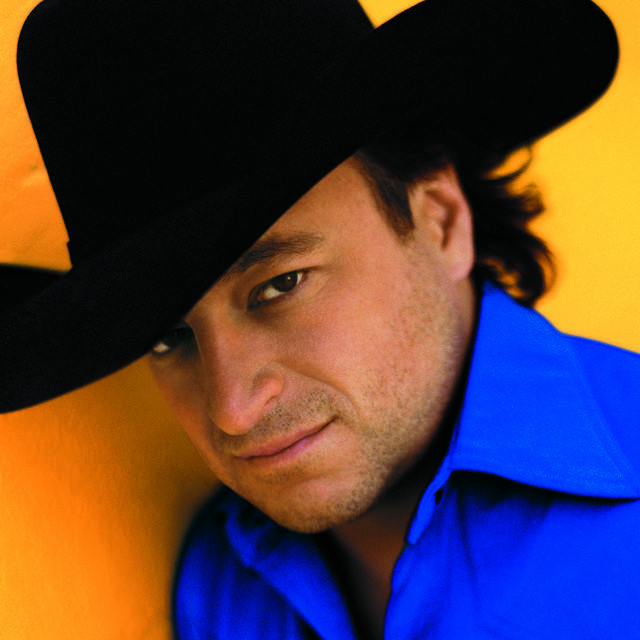
Mel McDaniel

Country
Contemporary Country
 Viberate Rank: 19664
 Viberate Rank: 19664
 Monthly ListenersFollowers
 Subscribers
 Followers
 Followers
 FansTop Spotify Songs
| Track | 7-Day Streams | |
|---|---|---|
1 | 659.98K | |
2 | 426.18K | |
3 | 101.61K | |
4 | 68.13K | |
5 | 64.51K |
Top YouTube VideosMonthly ListenersFeatured in Playlists| Playlist | Followers | |
|---|---|---|
1 |  Traditional Country Spotify | 838.71K |
2 |  Country Cookout Spotify | 810.81K |
3 |  80s Country Spotify | 755.87K |
4 |  Classic Country Spotify | 659.18K |
5 |  Best country songs (greatest hits) rwinslow | 457.00K |
Audience| City | Monthly Listeners | |
|---|---|---|
1 | | 53.23K |
2 | | 37.18K |
3 | | 36.73K |
4 | | 33.42K |
5 | | 32.82K |
See full performance history, audience data, playlist activity, rankings, comparisons, and more in Viberate music analytics. Start with a free trial, then continue with a paid plan.
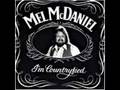
Mel McDaniel’s Spotify BioMel McDaniel decided on a career in music at age 14, after seeing Elvis Presley on television. After establishing himself in the bars and clubs of his hometown of Tulsa, Oklahoma, McDaniel briefly landed in Nashville before settling in Anchorage, Alaska. It was there that he refined his songwriting and performance skills; when McDaniel returned to Nashville in 1976, he promptly signed a record deal with Capitol. He had some early success with the single "Have a Dream on Me," but really began to steamroll thereafter, ending up with a string of country Top Tens that stretched through the 1980s. His biggest hit came in 1984 with "Baby's Got Her Blue Jeans On," a song that was nominated for a Grammy and a CMA. McDaniel continued to perform throughout the '90s and into the 2000s, usually at the Grand Ole Opry. He passed away in March 2011, after a heart attack in 2009 and a subsequent fight with cancer. ~ Johnny Loftus, Rovi
Viberate is a music analytics platform built for A&Rs, artist managers, labels, booking agents, marketers, and artists.
It helps music professionals track artist growth, analyze audience data, monitor playlist activity, compare artists, follow song performance, and identify opportunities across the music market.
Public artist pages provide a free preview of selected artist data. Paid plans provide access to deeper analytics, historical data, charts, comparisons, playlist tools, exports, alerts, reports, and additional professional features.
Yes. Public Viberate artist pages provide selected artist analytics and music data for free.
Viberate also offers a 7-day free trial of the full platform. A credit card is required to start the trial. The trial includes access to the complete product so users can test deeper artist analytics, historical views, playlist insights, comparisons, charts, exports, alerts, and reporting features before choosing a paid plan.
Viberate provides artist analytics across streaming, playlists, social media, video, radio airplay, songs, and audience markets.
Users can analyze Spotify performance, Spotify and Apple Music playlists, YouTube activity, TikTok and Instagram growth, radio spins, song performance, audience locations, demographics, rankings, and overall artist momentum.
Artist profiles also connect to music charts, similar artists, and comparison tools, helping users benchmark performance and evaluate artists in context.
Viberate updates key artist and track data daily.
For followed artists and tracks, selected data is refreshed multiple times per day. This helps teams monitor playlist changes, streaming movement, audience growth, releases, and campaign performance with more current data.
Update frequency can vary depending on the metric and data source.
Yes. Viberate lets users compare up to five artists side by side across streaming, social media, audience, and engagement metrics.
Users can compare fanbase growth, audience demographics, locations, Spotify performance, social metrics, and other artist data over selected time periods.
Artist comparison can be used for A&R scouting, benchmarking, booking decisions, campaign planning, and evaluating artists with similar audiences or market positions.