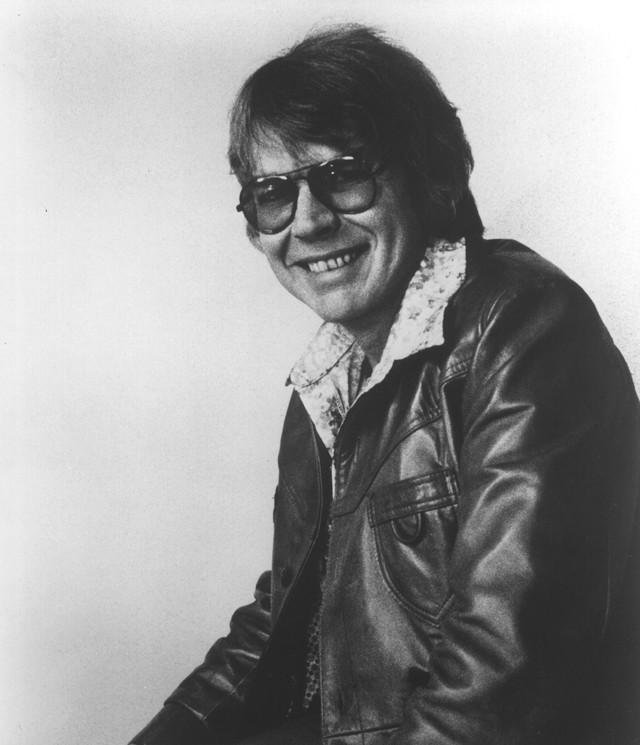
C.W. McCall

Country
Americana/Alt Country
 Viberate Rank: 60772
 Viberate Rank: 60772
 Monthly ListenersFollowers
 Subscribers
 Followers
 Followers
 FansTop Spotify Songs
| Track | 7-Day Streams | |
|---|---|---|
1 | 262.37K | |
2 | 31.83K | |
3 | 12.00K | |
4 | 6.31K | |
5 | 3.29K |
Top YouTube VideosMonthly ListenersFeatured in Playlists| Playlist | Followers | |
|---|---|---|
1 |  Country's Greatest Hits Spotify | 814.66K |
2 |  Raised on Country Spotify | 373.69K |
3 |  Weird songs that go hard bryagre20 | 262.13K |
4 |  Old country classics and more Sam B. | 227.72K |
5 | 90s and 2000s Country Music LunaTheTuna331 | 104.49K |
Audience| City | Monthly Listeners | |
|---|---|---|
1 |  | 10.80K |
2 | | 10.78K |
3 | | 10.59K |
4 | | 9.62K |
5 | | 9.48K |
See full performance history, audience data, playlist activity, rankings, comparisons, and more in Viberate music analytics. Start with a free trial, then continue with a paid plan.
C.W. McCall’s Spotify BioEssentially a character created by advertising executive William Fries, C.W. McCall was the instrumental figure behind the truck-driving craze that swept America in the mid-'70s. Fries was born November 15, 1928, in Audubon, Iowa, and while he displayed musical promise as a child, he was more interested in graphic design. While attending the University of Iowa, Fries studied music and played in the school's concert band, but his major was in fine arts, and after graduation he began handling the art chores at an Omaha, Nebraska television station. After five years there, he was hosting his own program, on which he drew caricatures of celebrities.
Fries signed on as the art director for an Omaha advertising agency in the early '60s, and it was there that he created the character C.W. McCall as a selling tool for an area bakery. A trucker for the fictional Old Home Bread company who spent much of his time in a diner called The Old Home Filler-Up-an'-Keep-On-a-Truckin' Cafe, the McCall… character was a huge hit with viewers, and the radio campaign won Fries the advertising industry's prestigious Clio Award. In 1974, Fries decided to cut a record under the McCall moniker, and the single, a monologue with country backing titled after the aforementioned cafe, was a Top 20 hit. A follow-up, "Wolf Creek Pass," was even more successful.
In 1975, McCall released the album Black Bear Road; the single "Convoy" hit number one on both the pop and country charts, and a national craze was born. The song proved so successful that it influenced the famed filmmaker Sam Peckinpah to direct the 1978 film Convoy, starring Kris Kristofferson. By the time of the film's release, however, McCall's career was largely over. He issued two more LPs, 1975's Wolf Creek Pass and 1977's Roses for Mama, which did spawn a major hit in its title track. But shortly after the latter album's release, McCall turned his back on the music industry to focus on the burgeoning environmental movement and moved to the small town of Ouray, Colorado, of which he was elected mayor in 1982. An attempt at a comeback in 1990 proved unsuccessful. C. W. McCall died on April 1, 2022 due to lung cancer; he was 93. ~ Jason Ankeny, Rovi
Viberate is a music analytics platform built for A&Rs, artist managers, labels, booking agents, marketers, and artists.
It helps music professionals track artist growth, analyze audience data, monitor playlist activity, compare artists, follow song performance, and identify opportunities across the music market.
Public artist pages provide a free preview of selected artist data. Paid plans provide access to deeper analytics, historical data, charts, comparisons, playlist tools, exports, alerts, reports, and additional professional features.
Yes. Public Viberate artist pages provide selected artist analytics and music data for free.
Viberate also offers a 7-day free trial of the full platform. A credit card is required to start the trial. The trial includes access to the complete product so users can test deeper artist analytics, historical views, playlist insights, comparisons, charts, exports, alerts, and reporting features before choosing a paid plan.
Viberate provides artist analytics across streaming, playlists, social media, video, radio airplay, songs, and audience markets.
Users can analyze Spotify performance, Spotify and Apple Music playlists, YouTube activity, TikTok and Instagram growth, radio spins, song performance, audience locations, demographics, rankings, and overall artist momentum.
Artist profiles also connect to music charts, similar artists, and comparison tools, helping users benchmark performance and evaluate artists in context.
Viberate updates key artist and track data daily.
For followed artists and tracks, selected data is refreshed multiple times per day. This helps teams monitor playlist changes, streaming movement, audience growth, releases, and campaign performance with more current data.
Update frequency can vary depending on the metric and data source.
Yes. Viberate lets users compare up to five artists side by side across streaming, social media, audience, and engagement metrics.
Users can compare fanbase growth, audience demographics, locations, Spotify performance, social metrics, and other artist data over selected time periods.
Artist comparison can be used for A&R scouting, benchmarking, booking decisions, campaign planning, and evaluating artists with similar audiences or market positions.