Jay Reatard

Punk
Punk Rock
Garage Rock
 Viberate Rank: 113622
 Viberate Rank: 113622
 Monthly ListenersFollowers
 Subscribers
 Followers
 Followers
 FansTop Spotify Songs
| Track | 7-Day Streams | |
|---|---|---|
1 | 8.55K | |
2 | 3.02K | |
3 | 2.08K | |
4 | 1.98K | |
5 | 1.92K |
Top YouTube VideosMonthly ListenersFeatured in Playlists| Playlist | Followers | |
|---|---|---|
1 | Ignatious Pop 1 | 49.38K |
2 | wicks Brennan McDowell | 43.73K |
3 |  The Handmaid's Tale - soundtrack your own kind of music | 36.92K |
4 |  The 500 Best Songs of the 2000s Pitchfork | 29.96K |
5 |  WonkoFM WonkoTheSane | 21.06K |
Audience| City | Monthly Listeners | |
|---|---|---|
1 | | 1.18K |
2 | | 1.08K |
3 | | 896 |
4 | | 754 |
5 | | 729 |
See full performance history, audience data, playlist activity, rankings, comparisons, and more in Viberate music analytics. Start with a free trial, then continue with a paid plan.
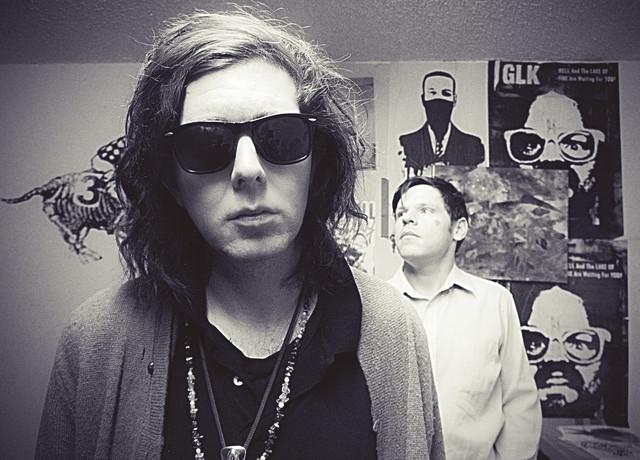
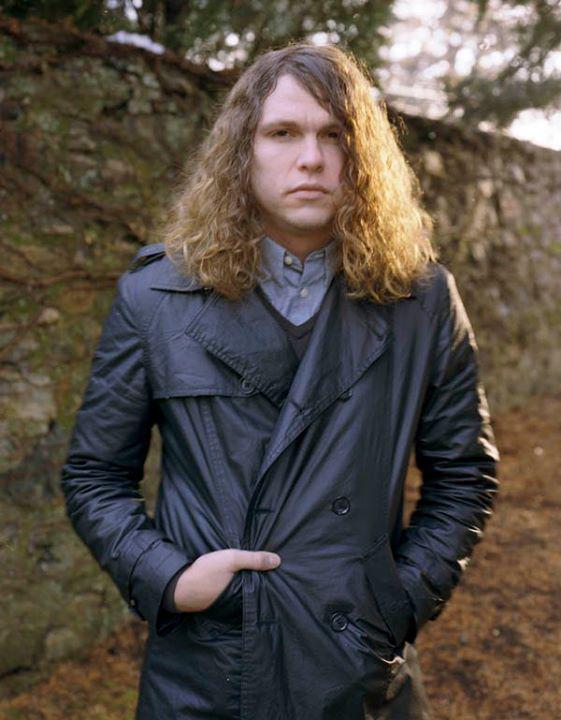
Jay Reatard’s Spotify BioMemphis-based punk rock juggernaut Jay Reatard adopted a fistful of musical approaches, beginning in the late '90s in his bedroom, where he recorded punk, synth punk, power pop and straightforward rock & roll tunes at a frantic pace. Reatard was born Jay Lindsey and dropped out of school when he was 15, owing to boredom with conventional education and a problematic home life. Lindsey became interested in rock & roll when he heard Nirvana via MTV, and in his mid-teens he began writing songs. After seeing Memphis punk blues legends the Oblivians open for Rocket from the Crypt, Lindsey was inspired to try something similar and created the Reatards, which initially was just Lindsey, who sang, played guitar, and beat on a bucket with a stick for the benefit of his four-track cassette machine.
Eric Friedl, aka Eric Oblivian of the Oblivians, was impressed enough with Lindsey's early recordings to offer to release a Reatards record through his label Goner Records, and their debut 7" EP, Get… Real Stupid, appeared in 1998, with Lindsey adopting the stage name Jay Reatard. A full-length Reatards album, Teenage Hate, appeared later the same year, with Reatard forming a three-piece version of the Reatards so the band could play live, featuring Steve Albundy Reatard on bass and Elvis Wong Reatard on drums. A second Reatards LP, Grown Up Fucked Up, was issued by Seattle's Empty Records in 1999, but the following year, Reatard formed a side project, the Lost Sounds, which soon became his main musical outlet. Featuring Reatard's then-girlfriend Alicja Trout on keyboards and guitar and drummer Rich Crook, the Lost Sounds were a synth punk band heavily influenced by the Screamers, with Reatard and Trout trading vocals back and forth; they released four albums between 2001 and 2004, but abruptly split up in 2005.
During the Lost Sounds' lifespan, Reatard briefly reunited the Reatards and performed with the Bad Times (featuring Eric Friedl), the Final Solutions (including Reatard and high-school buddies from the band the Jackmonkeys) and Angry Angles (a collaboration with members of the Lids, Die Rötzz, and Tokyo Electron), and after their breakup he briefly recorded with Terror Visions and Destruction Units. In 2006, Reatard stepped out as a solo artist, releasing a single "Hammer, I Miss You" on Goner and a full-length album, Blood Visions, via In the Red. After issuing a handful of solo 7"s, Reatard signed with Matador Records in 2008, and in April of that year he released the first in a series of six singles for the label, "See Saw." In June, Matador released Singles 06-07 which gathered up songs from an array of singles and labels, then followed it in October with Matador Singles '08, which collected all the singles released for the label in 2008 plus one bonus track. His manic pace of touring and putting out records continued with the release of Watch Me Fall in 2009. Reatard's career and life were cut short when he was found dead in his Memphis home on January 13th, 2010. ~ Mark Deming, Rovi
Viberate is a music analytics platform built for A&Rs, artist managers, labels, booking agents, marketers, and artists.
It helps music professionals track artist growth, analyze audience data, monitor playlist activity, compare artists, follow song performance, and identify opportunities across the music market.
Public artist pages provide a free preview of selected artist data. Paid plans provide access to deeper analytics, historical data, charts, comparisons, playlist tools, exports, alerts, reports, and additional professional features.
Yes. Public Viberate artist pages provide selected artist analytics and music data for free.
Viberate also offers a 7-day free trial of the full platform. A credit card is required to start the trial. The trial includes access to the complete product so users can test deeper artist analytics, historical views, playlist insights, comparisons, charts, exports, alerts, and reporting features before choosing a paid plan.
Viberate provides artist analytics across streaming, playlists, social media, video, radio airplay, songs, and audience markets.
Users can analyze Spotify performance, Spotify and Apple Music playlists, YouTube activity, TikTok and Instagram growth, radio spins, song performance, audience locations, demographics, rankings, and overall artist momentum.
Artist profiles also connect to music charts, similar artists, and comparison tools, helping users benchmark performance and evaluate artists in context.
Viberate updates key artist and track data daily.
For followed artists and tracks, selected data is refreshed multiple times per day. This helps teams monitor playlist changes, streaming movement, audience growth, releases, and campaign performance with more current data.
Update frequency can vary depending on the metric and data source.
Yes. Viberate lets users compare up to five artists side by side across streaming, social media, audience, and engagement metrics.
Users can compare fanbase growth, audience demographics, locations, Spotify performance, social metrics, and other artist data over selected time periods.
Artist comparison can be used for A&R scouting, benchmarking, booking decisions, campaign planning, and evaluating artists with similar audiences or market positions.