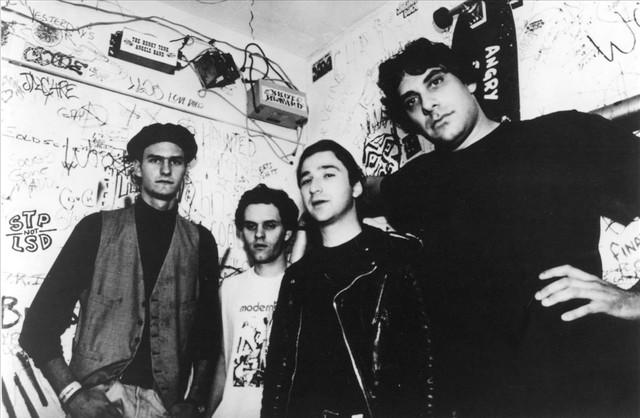
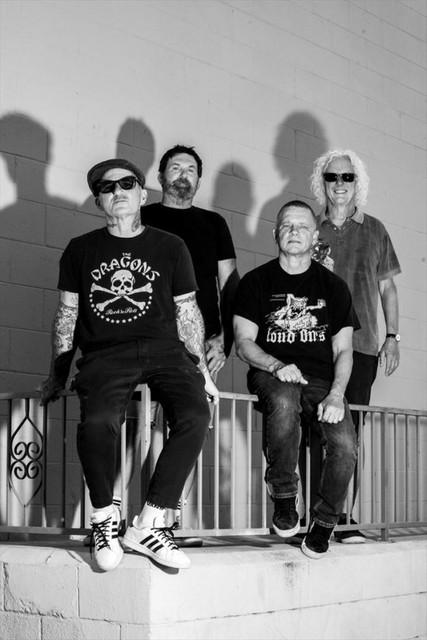
The spits

Punk
Punk Rock
Garage Rock
 Viberate Rank: 126990
 Viberate Rank: 126990
 Monthly ListenersFollowers
 Subscribers
 Followers
 Followers
 FansTop Spotify Songs
| Track | 7-Day Streams | |
|---|---|---|
1 | 4.71K | |
2 | 4.56K | |
3 | 3.54K | |
4 | 1.76K | |
5 | 1.42K |
Top YouTube Videos| Video | 7-Day Views | |
|---|---|---|
1 | 149 | |
2 | 132 | |
3 | 47 | |
4 | 32 | |
5 | 15 |
Monthly ListenersFeatured in Playlists| Playlist | Followers | |
|---|---|---|
1 |  WonkoFM WonkoTheSane | 21.06K |
2 | EGG PUNK (the eggiest) namenames | 18.66K |
3 |  ACTUAL PUNK for punk rockers Cam | 15.37K |
4 | The ULTIMATE Skate Punk and Punk Rock Playlist Pizza with Film | 12.95K |
5 |  El Sótano de Radio 3 Groovyfamily | 9.84K |
Audience| City | Monthly Listeners | |
|---|---|---|
1 | | 1.51K |
2 | | 729 |
3 | | 703 |
4 | | 524 |
5 | | 450 |
See full performance history, audience data, playlist activity, rankings, comparisons, and more in Viberate music analytics. Start with a free trial, then continue with a paid plan.
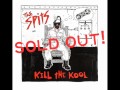
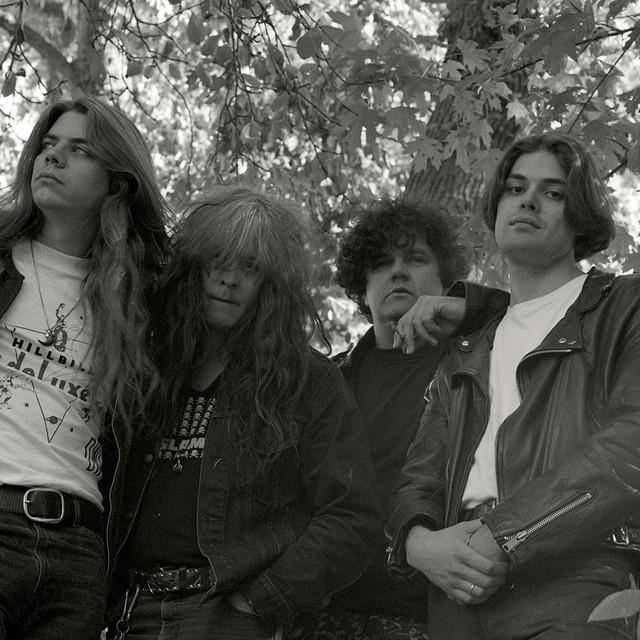
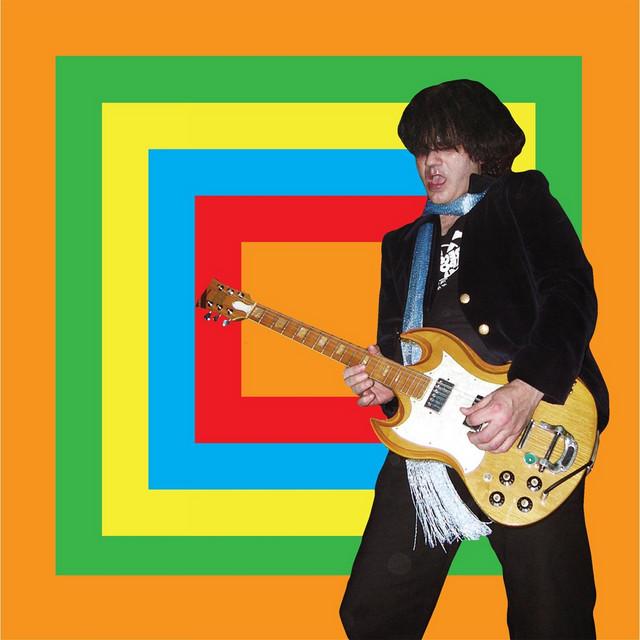
The spits’ Spotify BioPlaying old-school punk rock with an up-to-date level of snottiness and mordant humor, the Spits have enjoyed a surprisingly long and healthy career bashing out stripped-down rock tunes with equal shares of attitude, aggressive eccentricity, and muscle. Spits founders Sean Wood (guitar and vocals) and Erin Wood (bass and vocals) are siblings who were born and raised in Allegan, Michigan and began making music in 1987 with a band called the Riot Midgets. Deciding the Allegan scene was too sleepy for them, Sean and Erin headed to Seattle, Washington in 1990, and the first lineup of the Spits was formed a year later with drummer Wayne Draves. The band bounced around the Northwest scene for several years playing makeshift gigs before putting out its first single, "Tired and Lonely," in 1997. In 2000, Nickel & Dime Records released the band's self-titled debut album, and the Spits hit the road, developing a reputation for their wild stage show, their relentless touring schedule, and their… habit of dressing up for the audience, getting decked out in anything from monks robes to homemade mummy outfits to Ronald Reagan masks. The drummer's chair in the Spits became something of a revolving door, though Draves was one of the few timekeepers to leave and eventually return to the group, and when the Spits expanded to a four-piece with the addition of a keyboard player (in part to allow them to explore their Devo influence), the place behind the synth also tended to change on a regular basis. However, that didn't have much impact on the Wood brothers' ongoing campaign as a "band of the people," as they toured at a heady pace and released a steady stream of singles, occasionally putting out albums (most self-titled) through punk imprints like Dirtnap Records and Slovenly Records, as well as their own Thriftstore label. In 2011, the Spits struck a deal with noted garage punk label In the Red Records, which dropped their fifth self-titled release in the same year, and in 2014 the group made a great leap forward by attaching an actual title to one of their studio efforts: their second LP for In the Red was called Kill the Kool. ~ Mark Deming, Rovi
Viberate is a music analytics platform built for A&Rs, artist managers, labels, booking agents, marketers, and artists.
It helps music professionals track artist growth, analyze audience data, monitor playlist activity, compare artists, follow song performance, and identify opportunities across the music market.
Public artist pages provide a free preview of selected artist data. Paid plans provide access to deeper analytics, historical data, charts, comparisons, playlist tools, exports, alerts, reports, and additional professional features.
Yes. Public Viberate artist pages provide selected artist analytics and music data for free.
Viberate also offers a 7-day free trial of the full platform. A credit card is required to start the trial. The trial includes access to the complete product so users can test deeper artist analytics, historical views, playlist insights, comparisons, charts, exports, alerts, and reporting features before choosing a paid plan.
Viberate provides artist analytics across streaming, playlists, social media, video, radio airplay, songs, and audience markets.
Users can analyze Spotify performance, Spotify and Apple Music playlists, YouTube activity, TikTok and Instagram growth, radio spins, song performance, audience locations, demographics, rankings, and overall artist momentum.
Artist profiles also connect to music charts, similar artists, and comparison tools, helping users benchmark performance and evaluate artists in context.
Viberate updates key artist and track data daily.
For followed artists and tracks, selected data is refreshed multiple times per day. This helps teams monitor playlist changes, streaming movement, audience growth, releases, and campaign performance with more current data.
Update frequency can vary depending on the metric and data source.
Yes. Viberate lets users compare up to five artists side by side across streaming, social media, audience, and engagement metrics.
Users can compare fanbase growth, audience demographics, locations, Spotify performance, social metrics, and other artist data over selected time periods.
Artist comparison can be used for A&R scouting, benchmarking, booking decisions, campaign planning, and evaluating artists with similar audiences or market positions.