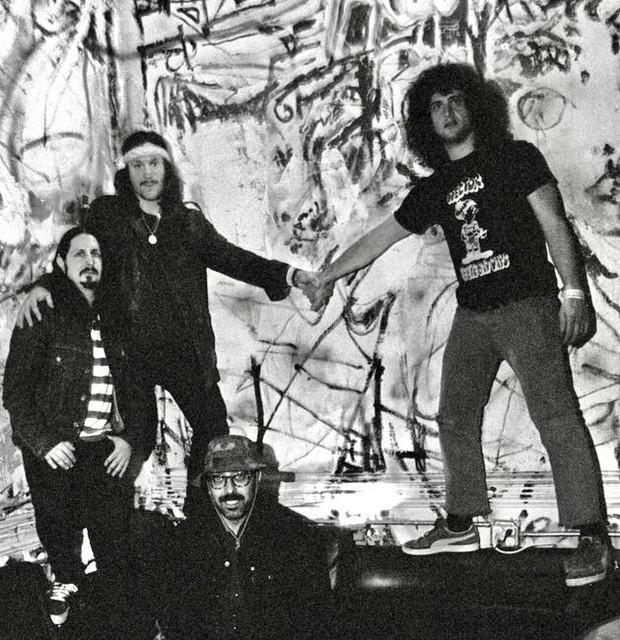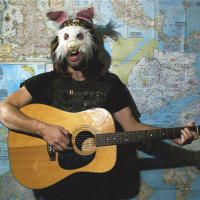
Nobunny

Rock
Garage Rock
Indie Rock
Punk Rock
 Viberate Rank: 197991
 Viberate Rank: 197991
 Monthly ListenersFollowers
 Subscribers
 Followers
 Followers
 FansTop Spotify Songs
| Track | 7-Day Streams | |
|---|---|---|
1 | 7.18K | |
2 | 3.63K | |
3 | 1.22K | |
4 | 1.08K | |
5 | 1.06K |
Top YouTube VideosMonthly ListenersFeatured in Playlists| Playlist | Followers | |
|---|---|---|
1 | GTA V Songs Leroy Witkamp | 54.39K |
2 |  Letterkenny Complete Soundtrack Dana Libhart | 46.91K |
3 | mumble...mumble... | 21.48K |
4 | EGG PUNK (the eggiest) namenames | 18.66K |
5 |  Vinewood Boulevard Radio (GTAV) Rockstar Games | 16.05K |
Audience| City | Monthly Listeners | |
|---|---|---|
1 | | 596 |
2 | | 563 |
3 | | 441 |
4 | | 405 |
5 | | 320 |
See full performance history, audience data, playlist activity, rankings, comparisons, and more in Viberate music analytics. Start with a free trial, then continue with a paid plan.
Nobunny’s Spotify BioNobunny is a one-man pop-punk band who has garnered comparisons to the Ramones, Hasil Adkins, and the Cramps. His lo-fi singles and albums, especially 2013's Secret Songs, captured his unhinged appeal.
Nobunny is the alter ego of Justin Champlin, who was born and raised in Tucson, Arizona, and relocated to San Francisco, California. Champlin first made a name for himself as the drummer with garage punks the Okmoniks and later co-founded the Sneaky Pinks, a two-man punk-pop group. With Nobunny, Champlin streamlined the concept of the Sneaky Pinks by paring the consistent lineup down to just one person. Sometimes working solo and sometimes backed by a constantly shifting group of musicians, Champlin began performing as Nobunny in 2001, though it wasn't until 2008 that he made his recorded debut with the album Love Visions. Primarily recorded at home with Champlin handling most of the instruments, the record was released by the tiny Bubbledumb Records label; it earned enthusiastic reviews… in the underground music press and was reissued in 2009 by the somewhat larger 1-2-3-4 Go! Records.
In 2009, Nobunny put out a single through Horizontal Action Records, "Give It to Me" b/w "Motorhead with Me," and a cassette-only album, Raw Romance, on Burger Records. In September 2010, Nobunny's second full-length album, First Blood, was released by Goner. After a relatively quiet 2011 with no recordings released, Nobunny returned in 2012 with a single for Suicide Squeeze and an EP for Goner. He stuck with Goner for 2013's Secret Songs and spent the next few years plying his trade on-stage instead of in a recording studio.
In the wake of the Burger Records fallout in mid-2020, Champlin wrote a lengthy message on his social media detailing his misbehavior and retired the Nobunny name and persona. ~ Mark Deming, Rovi
Viberate is a music analytics platform built for A&Rs, artist managers, labels, booking agents, marketers, and artists.
It helps music professionals track artist growth, analyze audience data, monitor playlist activity, compare artists, follow song performance, and identify opportunities across the music market.
Public artist pages provide a free preview of selected artist data. Paid plans provide access to deeper analytics, historical data, charts, comparisons, playlist tools, exports, alerts, reports, and additional professional features.
Yes. Public Viberate artist pages provide selected artist analytics and music data for free.
Viberate also offers a 7-day free trial of the full platform. A credit card is required to start the trial. The trial includes access to the complete product so users can test deeper artist analytics, historical views, playlist insights, comparisons, charts, exports, alerts, and reporting features before choosing a paid plan.
Viberate provides artist analytics across streaming, playlists, social media, video, radio airplay, songs, and audience markets.
Users can analyze Spotify performance, Spotify and Apple Music playlists, YouTube activity, TikTok and Instagram growth, radio spins, song performance, audience locations, demographics, rankings, and overall artist momentum.
Artist profiles also connect to music charts, similar artists, and comparison tools, helping users benchmark performance and evaluate artists in context.
Viberate updates key artist and track data daily.
For followed artists and tracks, selected data is refreshed multiple times per day. This helps teams monitor playlist changes, streaming movement, audience growth, releases, and campaign performance with more current data.
Update frequency can vary depending on the metric and data source.
Yes. Viberate lets users compare up to five artists side by side across streaming, social media, audience, and engagement metrics.
Users can compare fanbase growth, audience demographics, locations, Spotify performance, social metrics, and other artist data over selected time periods.
Artist comparison can be used for A&R scouting, benchmarking, booking decisions, campaign planning, and evaluating artists with similar audiences or market positions.