Black Lips

Rock
Indie Rock
Garage Rock
 Viberate Rank: 61511
 Viberate Rank: 61511
 Monthly ListenersFollowers
 Subscribers
 Followers
 Followers
 FansTop Spotify Songs
| Track | 7-Day Streams | |
|---|---|---|
1 | 20.43K | |
2 | 12.17K | |
3 | 6.99K | |
4 | 6.53K | |
5 | 4.62K |
Top YouTube VideosMonthly ListenersFeatured in Playlists| Playlist | Followers | |
|---|---|---|
1 |  Outer Banks Official Playlist Spotify | 250.08K |
2 |  outer banks summer☀️ livlove | 138.58K |
3 |  Good Vibes 2024 ☀🌊 past'elle records | 89.45K |
4 | Jillian Nichols | 87.21K |
5 | While You Work (@whileyouwork) Eli Feghali | 81.75K |
Audience| City | Monthly Listeners | |
|---|---|---|
1 | | 3.17K |
2 | | 2.20K |
3 | | 2.05K |
4 |  | 1.99K |
5 |  | 1.83K |
See full performance history, audience data, playlist activity, rankings, comparisons, and more in Viberate music analytics. Start with a free trial, then continue with a paid plan.
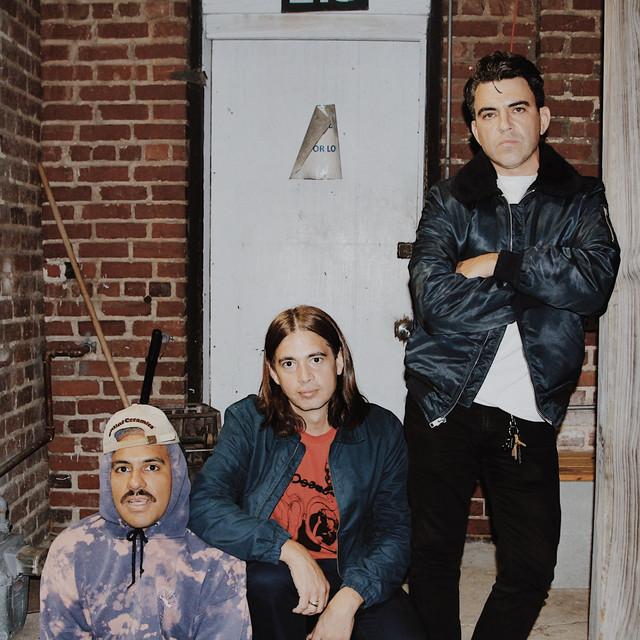
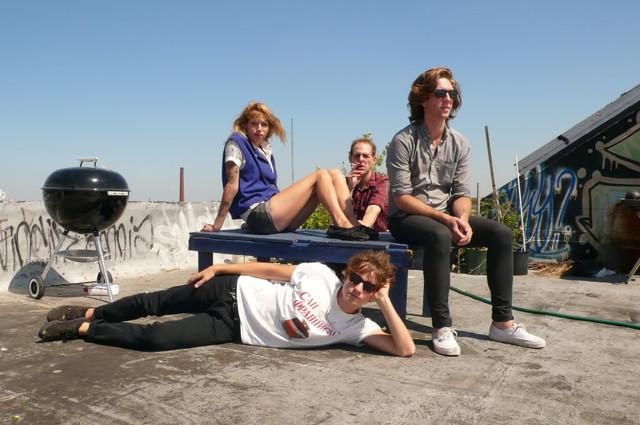
Black Lips’ Spotify BioGarage punk saviors The Black Lips transform from austere country pioneers into a set of Lynchian surrealists, hellbent on recalibrating the history of 21st Century rock‘n’ roll. Their new album ‘Season of the Peach' is as absurd and unhinged as ever, joined by 'Bebop Armageddon,' containing "detours and offcuts" from the former.
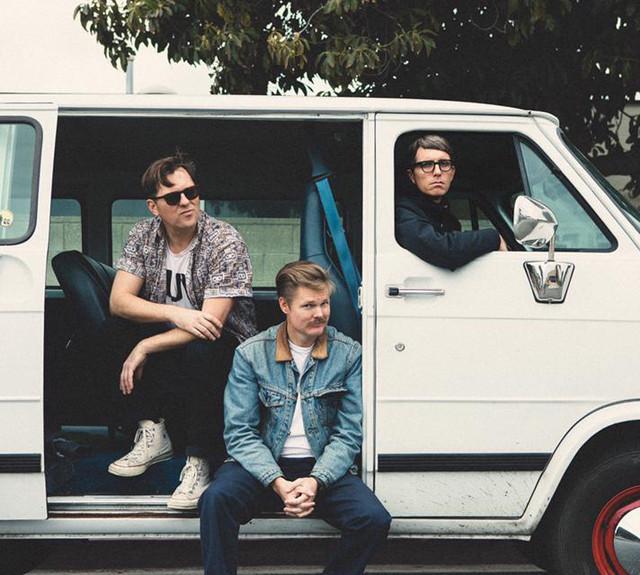
The Lips' rapid stylistic evolution has played out over decades of prolific touring and releases, taking them where no garage punk band had gone before - huge venues, network television shows, and major music festivals. Making their living the way they knew how, burning up the road like their heroes – gaining and losing members up and down the highway.
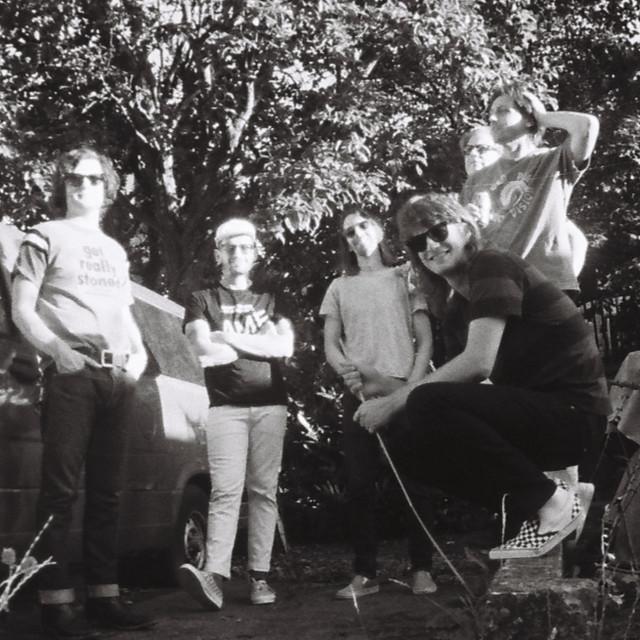
Formed in 1999, their self-titled debut album was released in 2003. It was followed by 2004’s ‘We Did Not Know The Spirit Made The Flowers Grow,’ which saw the Lips' fanbase grow and launched them into an aggressive touring ethos. The band’s 2007 effort, ‘Good Bad Not Evil’, propelled them onto TV screens on both… sides of the Atlantic. Line ups shuffled, stages were invaded, songs were mooted for TV shows and Mark Ronson, Sean Lennon and Black Keys’ Patrick Carney all put in a shift in the producer’s chair. In 2013 they added secret weapon Zumi Rosow who was later joined by Oakley Munson on drums and guitarist Jeff Clarke.
Viberate is a music analytics platform built for A&Rs, artist managers, labels, booking agents, marketers, and artists.
It helps music professionals track artist growth, analyze audience data, monitor playlist activity, compare artists, follow song performance, and identify opportunities across the music market.
Public artist pages provide a free preview of selected artist data. Paid plans provide access to deeper analytics, historical data, charts, comparisons, playlist tools, exports, alerts, reports, and additional professional features.
Yes. Public Viberate artist pages provide selected artist analytics and music data for free.
Viberate also offers a 7-day free trial of the full platform. A credit card is required to start the trial. The trial includes access to the complete product so users can test deeper artist analytics, historical views, playlist insights, comparisons, charts, exports, alerts, and reporting features before choosing a paid plan.
Viberate provides artist analytics across streaming, playlists, social media, video, radio airplay, songs, and audience markets.
Users can analyze Spotify performance, Spotify and Apple Music playlists, YouTube activity, TikTok and Instagram growth, radio spins, song performance, audience locations, demographics, rankings, and overall artist momentum.
Artist profiles also connect to music charts, similar artists, and comparison tools, helping users benchmark performance and evaluate artists in context.
Viberate updates key artist and track data daily.
For followed artists and tracks, selected data is refreshed multiple times per day. This helps teams monitor playlist changes, streaming movement, audience growth, releases, and campaign performance with more current data.
Update frequency can vary depending on the metric and data source.
Yes. Viberate lets users compare up to five artists side by side across streaming, social media, audience, and engagement metrics.
Users can compare fanbase growth, audience demographics, locations, Spotify performance, social metrics, and other artist data over selected time periods.
Artist comparison can be used for A&R scouting, benchmarking, booking decisions, campaign planning, and evaluating artists with similar audiences or market positions.