Japanther

Punk
Punk Rock
Noise Rock
 Viberate Rank: 188894
 Viberate Rank: 188894
 Monthly ListenersFollowers
 Subscribers
 Followers
 Followers
 FansTop Spotify Songs
| Track | 7-Day Streams | |
|---|---|---|
1 | 5.44K | |
2 | 3.50K | |
3 | 1.36K | |
4 | 1.22K | |
5 | 1.17K |
Top YouTube VideosMonthly ListenersFeatured in Playlists| Playlist | Followers | |
|---|---|---|
1 |  EA skate. 3 Soundtrack skate. | 63.47K |
2 |  Letterkenny Complete Soundtrack Dana Libhart | 46.91K |
3 | wicks Brennan McDowell | 43.73K |
4 | Finlay Chetwood | 40.98K |
5 | Skate 3 Soundtrack vickex | 21.91K |
Audience| City | Monthly Listeners | |
|---|---|---|
1 | | 797 |
2 | | 709 |
3 | | 611 |
4 | | 546 |
5 | | 454 |
See full performance history, audience data, playlist activity, rankings, comparisons, and more in Viberate music analytics. Start with a free trial, then continue with a paid plan.
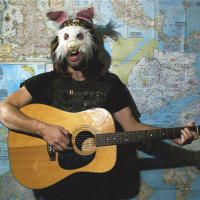
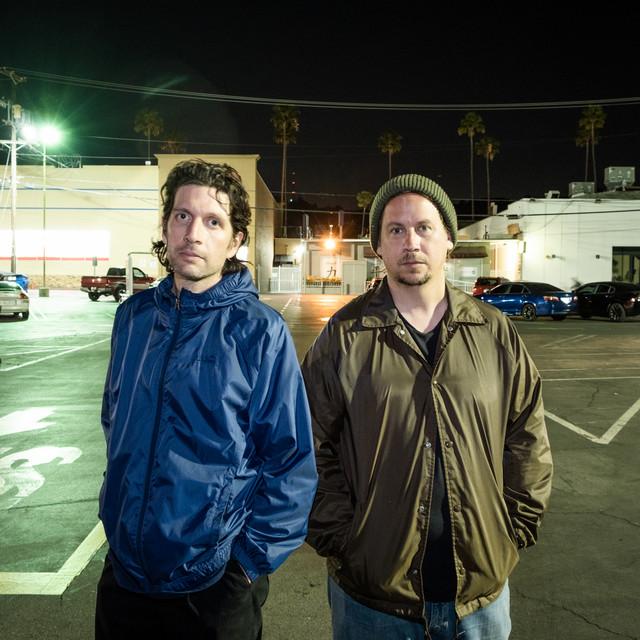
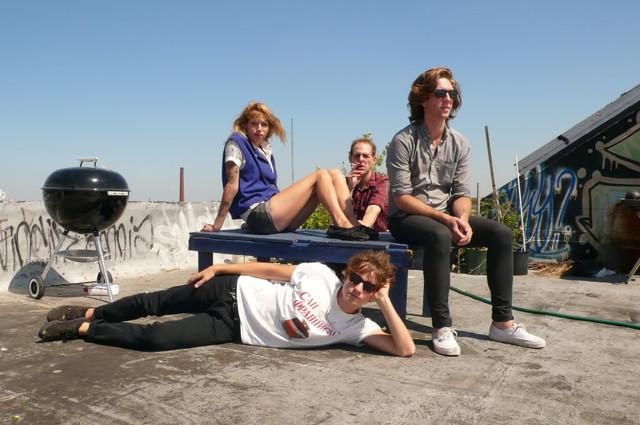
Japanther’s Spotify BioQuite likely the most unapologetically artsy punk-related band since the early days of Sonic Youth -- when Kim Gordon was writing for Artforum, Thurston Moore and Lee Ranaldo worked with Glenn Branca, and underground movie star Richard Edson was their drummer -- Japanther is not in the least bit afraid to get all conceptual 'n' stuff. Japanther was formed in 2001 by Matt Reilly and Ian Vanek, undergrads at New York City's highly regarded art school The Pratt Institute. With Reilly singing while playing a three-stringed bass as Vanek simultaneously attacked a drum kit and a bank of electronic equipment playing found and mutated cassettes, both of them singing into microphones fashioned out of old-fashioned telephone handsets, they're like a more playful and even more self-conscious updating of the late-'70s no wave scene, though a thorough rooting in the skatepunk scene as youngsters keeps things from getting too precious. After a 2001 self-released demo, Japanther debuted with the 2002… EP South of Northport, followed by the full-lengths Leather Wings and Dump the Body in Rikki Lake. After a second EP, The Operating Manual for Life on Earth, and a pair of split EP projects with Sneeze and Viking Club, the albums Master of Pigeons (2005), Wolfenswan (2005), Don't Trust Anyone Over Thirty (2006), and Skuffed Up My Huffy (2007) followed. In addition to various multimedia projects with a variety of collaborators, Dump the Body in Rikki Lake and the concept album Don't Trust Anyone Over Thirty (a loose retelling of the 1960s cult classic Wild in the Streets) were used as the basis of puppet shows in collaboration with Philip Huber, who designed and controlled the marionettes in the film Being John Malkovich. The band soldiered on into the later part of the aughts, playing more d.i.y. shows that melded the catharsis of punk rock with the dadaism of certain sects of performance art or 60's "happenings". The band embraced their art school roots by collaborating constantly with visual and mixed-media artists, going so far as to be included in the 2006 Whitney Biennial and the 2011 Venice Biennale. They were consistent in the release of new sound material as well. Among various split 7" releases, the band issued albums Tut Tut, Now Shake Ya Butt in 2008, Rock 'n' Roll Ice Cream in 2010, Beets, Limes and Rice in 2011, Eat Like Lisa Act Like Bart in 2013 and Instant Money Magic in 2014. ~ Stewart Mason, Rovi
Viberate is a music analytics platform built for A&Rs, artist managers, labels, booking agents, marketers, and artists.
It helps music professionals track artist growth, analyze audience data, monitor playlist activity, compare artists, follow song performance, and identify opportunities across the music market.
Public artist pages provide a free preview of selected artist data. Paid plans provide access to deeper analytics, historical data, charts, comparisons, playlist tools, exports, alerts, reports, and additional professional features.
Yes. Public Viberate artist pages provide selected artist analytics and music data for free.
Viberate also offers a 7-day free trial of the full platform. A credit card is required to start the trial. The trial includes access to the complete product so users can test deeper artist analytics, historical views, playlist insights, comparisons, charts, exports, alerts, and reporting features before choosing a paid plan.
Viberate provides artist analytics across streaming, playlists, social media, video, radio airplay, songs, and audience markets.
Users can analyze Spotify performance, Spotify and Apple Music playlists, YouTube activity, TikTok and Instagram growth, radio spins, song performance, audience locations, demographics, rankings, and overall artist momentum.
Artist profiles also connect to music charts, similar artists, and comparison tools, helping users benchmark performance and evaluate artists in context.
Viberate updates key artist and track data daily.
For followed artists and tracks, selected data is refreshed multiple times per day. This helps teams monitor playlist changes, streaming movement, audience growth, releases, and campaign performance with more current data.
Update frequency can vary depending on the metric and data source.
Yes. Viberate lets users compare up to five artists side by side across streaming, social media, audience, and engagement metrics.
Users can compare fanbase growth, audience demographics, locations, Spotify performance, social metrics, and other artist data over selected time periods.
Artist comparison can be used for A&R scouting, benchmarking, booking decisions, campaign planning, and evaluating artists with similar audiences or market positions.