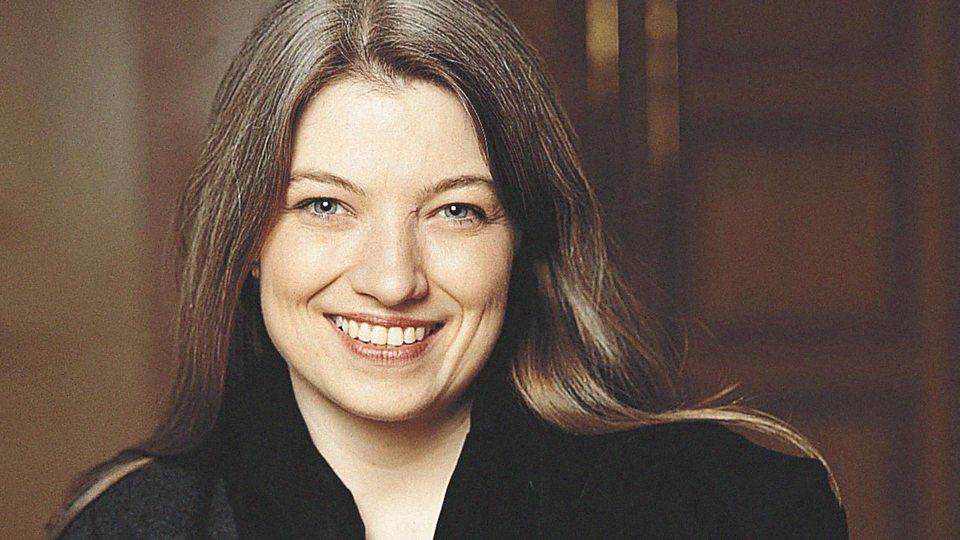
Iestyn Davies

Classical
Opera
 Viberate Rank: 217676
 Viberate Rank: 217676
 Monthly ListenersFollowers
 Subscribers
 Followers
 Followers
 FansTop Spotify Songs
| Track | 7-Day Streams | |
|---|---|---|
1 | 1.68K | |
2 | 1.53K | |
3 | 1.53K | |
4 | 910 | |
5 | 619 |
Top YouTube VideosMonthly ListenersFeatured in Playlists| Playlist | Followers | |
|---|---|---|
1 |  This Is Handel Spotify | 151.86K |
2 |  This Is Purcell Spotify | 35.80K |
3 |  NPR Classical NPR Music | 14.43K |
4 |  Música Barroca 60 bpm para Máxima Produtividade Rodrigobijuu | 14.15K |
5 | Barockmusik Moritz Proell | 5.92K |
Audience| City | Monthly Listeners | |
|---|---|---|
1 | | 640 |
2 |  | 350 |
3 |  | 328 |
4 |  | 231 |
5 |  | 204 |
See full performance history, audience data, playlist activity, rankings, comparisons, and more in Viberate music analytics. Start with a free trial, then continue with a paid plan.
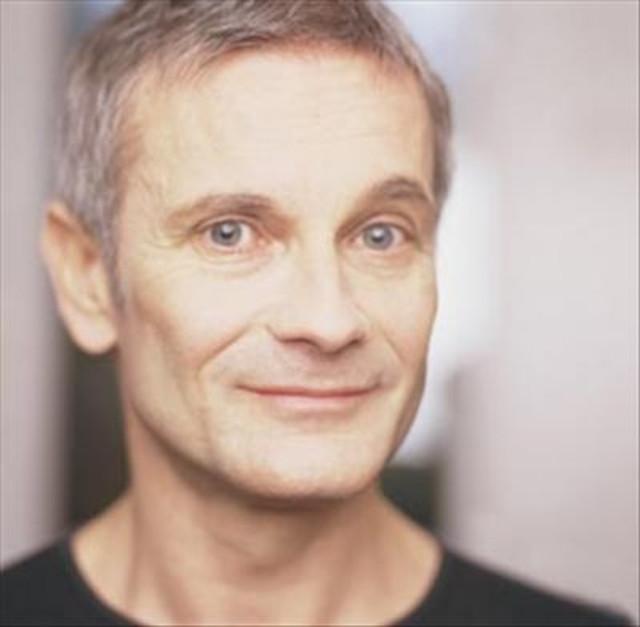
Iestyn Davies’ Spotify BioCountertenor Iestyn Davies is recognized for the power and versatility of his voice, with a repertoire extending from Baroque opera to contemporary works. He has made appearances in major Baroque roles in large opera houses in Europe and the U.S.
Davies was born on September 16, 1979, in York, England. His father was a noted cellist and encouraged his son's musical ambitions. Davies studied piano and recorder at first but switched to singing after a stint in the St. John's College Choir in Cambridge. He had some success as a solo boy soprano, appearing in a recording of Purcell's Timon of Athens (as Cupid) in the early '90s. After his voice broke, he experimented with tenor and bass parts but then mastered the countertenor voice in music classes at Wells Cathedral School. Davies studied archaeology and anthropology at St. John's College but then enrolled at the Royal Academy of Music for vocal studies and settled on a vocal career. From the start, his performances and recordings have… included contemporary works as well as Baroque soprano and castrato repertory; in 2002, he sang on a Naxos recording of the Magnificat of William Walton.
By the mid-2000s, he was appearing internationally; a 2004 appearance in Handel's Messiah at the Lateran Basilica in Rome was widely noted, and two years later, he recorded the work for Naxos. Davies has made several more acclaimed recordings of Handel, as he has the power for the composer's full-scale soprano roles. Davies made his New York City Opera debut as Arsace in Handel's Partenope in 2010, and he has subsequently appeared at both the Metropolitan Opera in New York and Chicago's Lyric Opera. He also appeared on Broadway as the famed castrato Farinelli in the play Farinelli and the King in 2017. Davies has collaborated with top historical-performance specialist conductors, including Rinaldo Alessandrini, Alan Curtis, and John Eliot Gardiner. In 2017, he recorded the album Lost Is My Quiet, unconventionally applying the countertenor voice to songs by Mendelssohn and Schumann. He followed that up in 2019 with If on the Signum Classics label; the album joined works by contemporary composer Michael Nyman to works of Henry Purcell. That year, he was also heard on a live recording of Gluck's opera Orfeo ed Euridice with the group La Nuova Musica.
Davies remained active during the COVID-19 pandemic, issuing the Baroque recital Lamento on Signum Classics. He had a busy 2022, releasing a recording of Schubert's song cycle Die schöne Müllerin on Signum Classics, moving to Hyperion for an album of cantatas by Bach and Buxtehude with the early music group Arcangelo, and then joining soprano Lea Desandre and the ensemble Jupiter on Erato for the album Eternal Heaven: Handel. Davies was made a Member of the Order of the British Empire in 2017. ~ James Manheim, Rovi
Viberate is a music analytics platform built for A&Rs, artist managers, labels, booking agents, marketers, and artists.
It helps music professionals track artist growth, analyze audience data, monitor playlist activity, compare artists, follow song performance, and identify opportunities across the music market.
Public artist pages provide a free preview of selected artist data. Paid plans provide access to deeper analytics, historical data, charts, comparisons, playlist tools, exports, alerts, reports, and additional professional features.
Yes. Public Viberate artist pages provide selected artist analytics and music data for free.
Viberate also offers a 7-day free trial of the full platform. A credit card is required to start the trial. The trial includes access to the complete product so users can test deeper artist analytics, historical views, playlist insights, comparisons, charts, exports, alerts, and reporting features before choosing a paid plan.
Viberate provides artist analytics across streaming, playlists, social media, video, radio airplay, songs, and audience markets.
Users can analyze Spotify performance, Spotify and Apple Music playlists, YouTube activity, TikTok and Instagram growth, radio spins, song performance, audience locations, demographics, rankings, and overall artist momentum.
Artist profiles also connect to music charts, similar artists, and comparison tools, helping users benchmark performance and evaluate artists in context.
Viberate updates key artist and track data daily.
For followed artists and tracks, selected data is refreshed multiple times per day. This helps teams monitor playlist changes, streaming movement, audience growth, releases, and campaign performance with more current data.
Update frequency can vary depending on the metric and data source.
Yes. Viberate lets users compare up to five artists side by side across streaming, social media, audience, and engagement metrics.
Users can compare fanbase growth, audience demographics, locations, Spotify performance, social metrics, and other artist data over selected time periods.
Artist comparison can be used for A&R scouting, benchmarking, booking decisions, campaign planning, and evaluating artists with similar audiences or market positions.