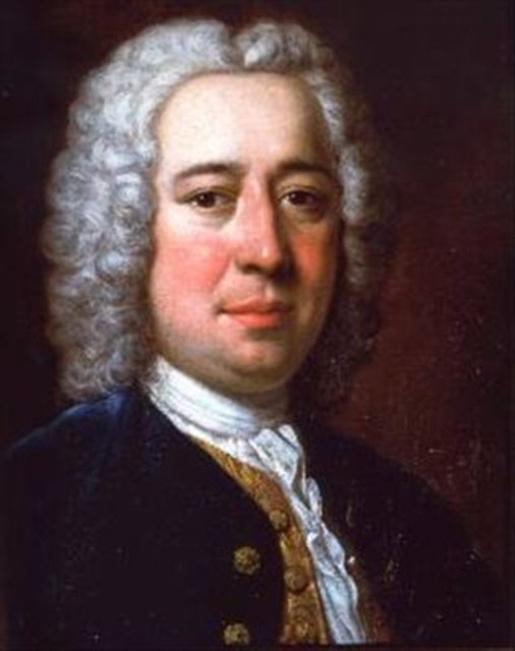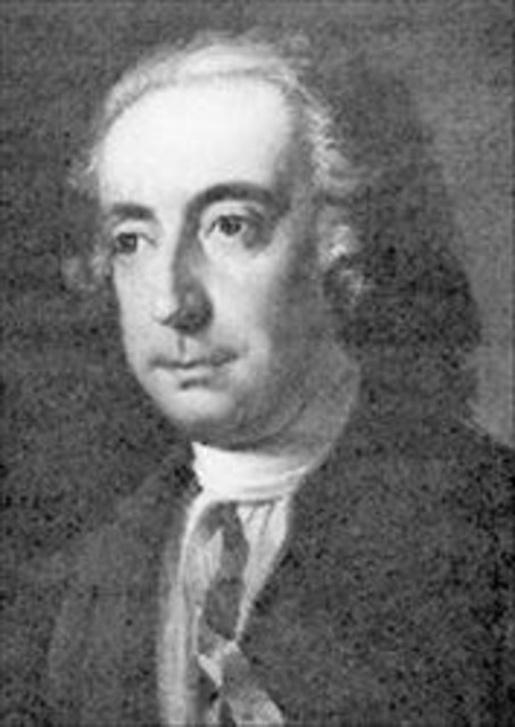
Antonio Caldara

Classical
Classical Crossover
 Viberate Rank: 248329
 Viberate Rank: 248329
 Monthly ListenersFollowers
 Subscribers
 Followers
 Followers
 FansTop Spotify Songs
| Track | 7-Day Streams | |
|---|---|---|
1 | 1.57K | |
2 | 1.11K | |
3 | 970 | |
4 | 841 | |
5 | 621 |
Top YouTube VideosMonthly ListenersFeatured in Playlists| Playlist | Followers | |
|---|---|---|
1 | amandaemcee | 69.74K |
2 |  Dark Opera kaiagerlovin | 28.89K |
3 | MUSICA BARROCA para concentrarse Eva Represa | 23.46K |
4 |  Best of Cecilia Bartoli Decca Classics | 11.56K |
5 |  Musique classique pour travailler, lire, dormir, réviser Filtr France | 10.92K |
Audience| City | Monthly Listeners | |
|---|---|---|
1 |  | 599 |
2 |  | 436 |
3 |  | 397 |
4 |  | 383 |
5 |  | 371 |
See full performance history, audience data, playlist activity, rankings, comparisons, and more in Viberate music analytics. Start with a free trial, then continue with a paid plan.
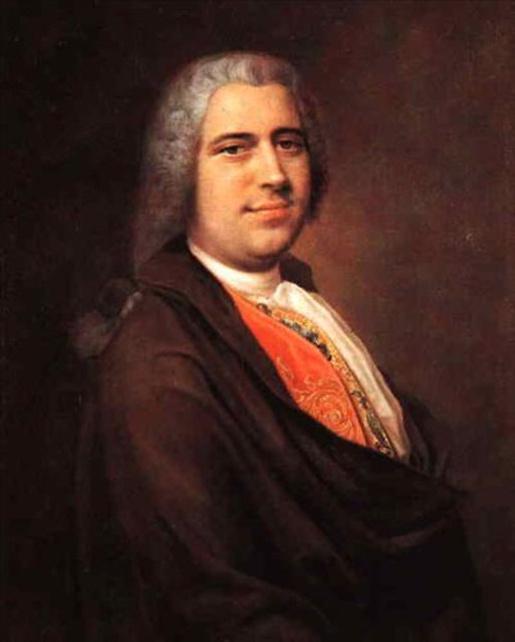
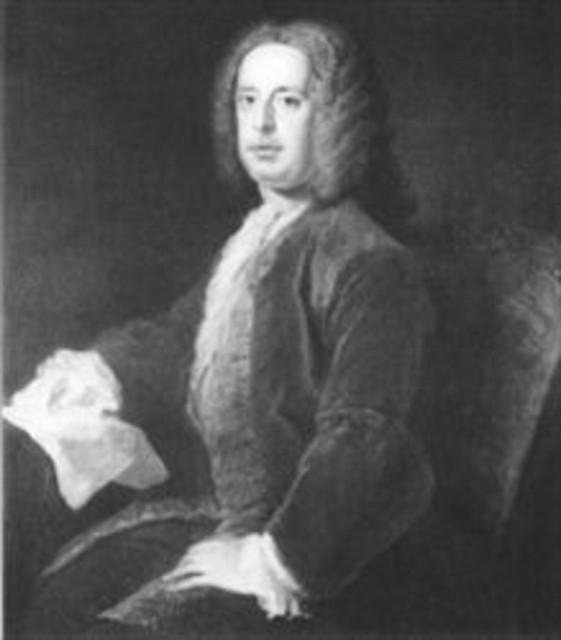
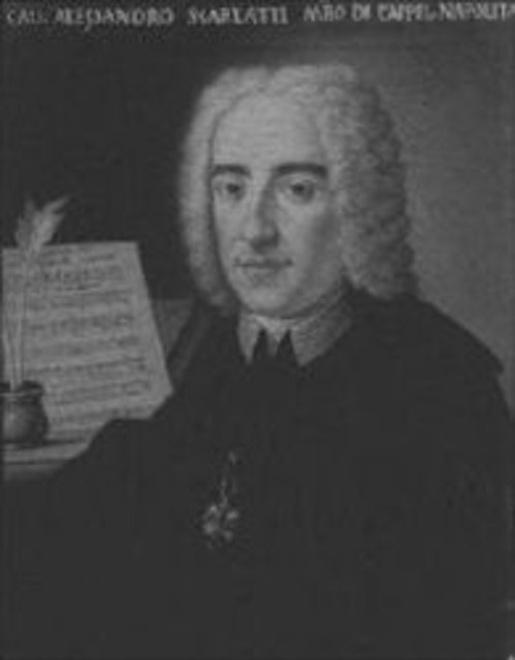
Antonio Caldara’s Spotify BioAntonio Caldara was not only one of the most important composers of his generation, but wielded considerable influence over the evolution of Italian vocal music of the early eighteenth century. Moreover, having lived the last two decades of his life in Vienna, he was a significant factor in shaping the direction of both Viennese and German music. To say Caldara was prolific is an understatement: he wrote nearly 3,500 works, including more than 90 operas, numerous oratorios, liturgical works, cantatas, madrigals, and many instrumental pieces. Unfortunately, many of his scores are lost, but there still exists a substantial body of work by which to judge him positively. As a performer he was immensely talented: he was accomplished as a viol player, cellist, and keyboardist, and in his childhood, as a choirboy at St. Mark's Cathedral in Venice, he was considered a highly gifted singer. While his operas are rarely performed today, his instrumental and liturgical music has achieved some… currency, and because of the increasing availability of them on recordings, Caldara's reputation could be on the upswing.
Antonio Caldara was born in Venice, Italy, probably in 1671. Caldara's educational background is clouded: his first teacher was probably his father, a workaday violinist, and Giovanni Legrenzi, maestro di cappella of St. Mark's, and cello virtuoso Domenico Gabrielli likely taught the young Caldara.
By the early 1690s Caldara's operas were drawing attention, and he was already known as a virtuoso cellist in Venice. In 1699 he was appointed maestro di cappella to the Duke of Mantua, a fanatic lover of opera. Caldara apparently wrote many operas for the Duke, but none of the manuscripts survive.
Caldara relocated to Rome in 1708, where he was taken into the service of Cardinal Ottoboni. Caldara's Serenata Chi s'arma di virtù (1709) was one of many successful works he wrote while in Rome.
In 1717 Caldara resettled once more, this time in Vienna as the vice-kapellmeister under Charles VI. Caldara was required to write many operas, oratorios, and other works as part of his duties. Among his more successful efforts from the Vienna years were the operas Dafne (1719) and Sancio Panza (1730). His sacred music also drew acclaim with such works as Missa Laetare (1729) and Missa in spei Resurrectionis (1732). So busy was Caldara from the demands of his Viennese post that there is evidence exhaustion was a factor in his death on December 28, 1736.
Viberate is a music analytics platform built for A&Rs, artist managers, labels, booking agents, marketers, and artists.
It helps music professionals track artist growth, analyze audience data, monitor playlist activity, compare artists, follow song performance, and identify opportunities across the music market.
Public artist pages provide a free preview of selected artist data. Paid plans provide access to deeper analytics, historical data, charts, comparisons, playlist tools, exports, alerts, reports, and additional professional features.
Yes. Public Viberate artist pages provide selected artist analytics and music data for free.
Viberate also offers a 7-day free trial of the full platform. A credit card is required to start the trial. The trial includes access to the complete product so users can test deeper artist analytics, historical views, playlist insights, comparisons, charts, exports, alerts, and reporting features before choosing a paid plan.
Viberate provides artist analytics across streaming, playlists, social media, video, radio airplay, songs, and audience markets.
Users can analyze Spotify performance, Spotify and Apple Music playlists, YouTube activity, TikTok and Instagram growth, radio spins, song performance, audience locations, demographics, rankings, and overall artist momentum.
Artist profiles also connect to music charts, similar artists, and comparison tools, helping users benchmark performance and evaluate artists in context.
Viberate updates key artist and track data daily.
For followed artists and tracks, selected data is refreshed multiple times per day. This helps teams monitor playlist changes, streaming movement, audience growth, releases, and campaign performance with more current data.
Update frequency can vary depending on the metric and data source.
Yes. Viberate lets users compare up to five artists side by side across streaming, social media, audience, and engagement metrics.
Users can compare fanbase growth, audience demographics, locations, Spotify performance, social metrics, and other artist data over selected time periods.
Artist comparison can be used for A&R scouting, benchmarking, booking decisions, campaign planning, and evaluating artists with similar audiences or market positions.