Agostino Steffani

Classical
Chamber Music
 Viberate Rank: 454004
 Viberate Rank: 454004
 Monthly ListenersFollowers
 Subscribers
 Followers
 Followers
 FansTop Spotify Songs
| Track | 7-Day Streams | |
|---|---|---|
1 | 542 | |
2 | 417 | |
3 | 332 | |
4 | 314 | |
5 | 302 |
Top YouTube VideosMonthly ListenersFeatured in Playlists| Playlist | Followers | |
|---|---|---|
1 |  Philippe Jaroussky - Best of Warner Classics | 6.44K |
2 | Opera for Sleep Carls Christian Echas | 5.27K |
3 | 60bpm Baroque Study Tan | 4.99K |
4 |  SACRED MUSIC MUSICA SACRA CHORAL joselupelozano | 3.48K |
5 | OPERA - HIGHLIGHTS Mie Opjordsmoen | 2.47K |
Audience| City | Monthly Listeners | |
|---|---|---|
1 |  | 491 |
2 |  | 308 |
3 |  | 234 |
4 |  | 233 |
5 |  | 213 |
See full performance history, audience data, playlist activity, rankings, comparisons, and more in Viberate music analytics. Start with a free trial, then continue with a paid plan.
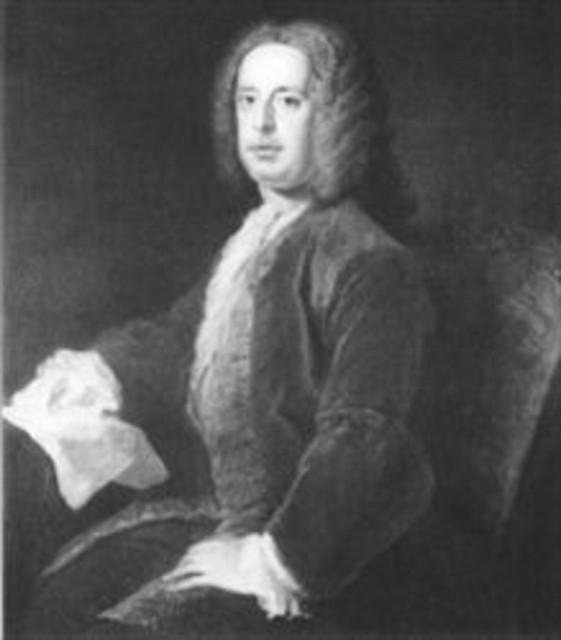
Agostino Steffani’s Spotify BioAgostino Steffani was an important Italian composer of vocal music from the late seventeenth and early eighteenth centuries. His chamber duets, operas (generally written in the bel canto style), and sacred works constitute his finest efforts. Steffani was born in Castelfranco, near Venice, on July 25, 1654. He served as a choirboy at the Basilica of St. Anthony in Padua from 1664-1667 under maestro di cappella Antonio dalla Tavola, who likely gave him instruction in music. By age 11 Steffani was regularly appearing in operas and concerts, and a year later was taken to Munich at the behest of the Elector Ferdinand Maria of Bavaria.
Young Steffani sang in operas and in church services there while receiving excellent musical education under the guidance of the maestro di cappella of the Elector's Court, Johann Kaspar Kerll. By age 14 Steffani was taking organ lessons from Kerll, but rarely appearing as a singer anymore.
In 1672 he traveled to Rome to study composition with Ercole Bernabei.… During his nearly two-year stay there, Steffani produced Psalmodia vespertina, a collection of Psalm settings, and a Magnificat. Shortly after Steffani's return to Munich in 1674 he was appointed court organist.
In 1680 he was ordained a priest and a year later appointed court director of chamber music by the new Elector Maximilian II Emanuel, whose father Ferdinand Maria died in 1679. Steffani would also take on duties as a diplomat with neighboring courts. In composition he remained quite active, too: having written his first opera Marco Aurelio in 1677, he composed his next four, which included Servio Tullio in the period 1685-1688, all premiered at the busy Munich Court.
Steffani left Munich in 1688 to work at the Hanover Court, where he spent 15 years as kapellmeister and diplomat. He composed several successful operas during his tenure there, including Orlando generoso (1691).
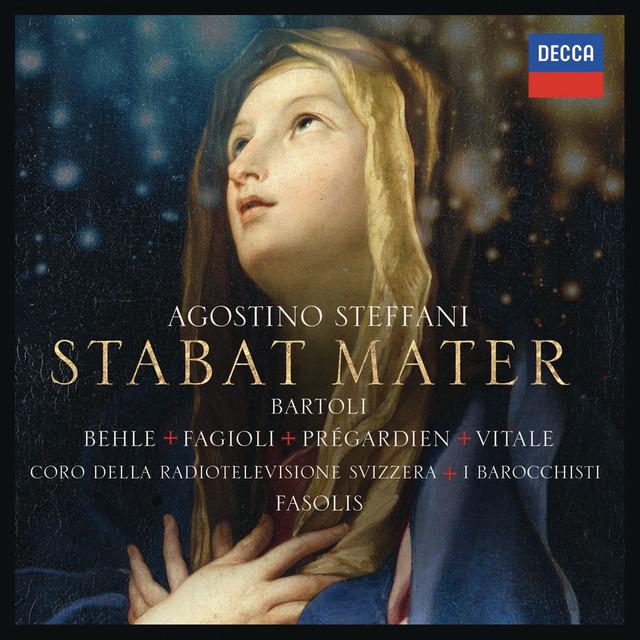
In 1702-1703 he produced a fine collection of chamber duets at Hanover, after which he accepted a post at the Düsseldorf Court of Johann Wilhelm, Elector Palatine. Thereafter Steffani composed very little. He was elected Bishop of Spiga in 1706 and apostolic vicar for Northern Germany three years later. He focused most of his energies on church matters in his later years, though he did manage to write a few works, including the Stabat Mater (1727-1728), his favorite composition. He died in 1728 of apoplexy.
Viberate is a music analytics platform built for A&Rs, artist managers, labels, booking agents, marketers, and artists.
It helps music professionals track artist growth, analyze audience data, monitor playlist activity, compare artists, follow song performance, and identify opportunities across the music market.
Public artist pages provide a free preview of selected artist data. Paid plans provide access to deeper analytics, historical data, charts, comparisons, playlist tools, exports, alerts, reports, and additional professional features.
Yes. Public Viberate artist pages provide selected artist analytics and music data for free.
Viberate also offers a 7-day free trial of the full platform. A credit card is required to start the trial. The trial includes access to the complete product so users can test deeper artist analytics, historical views, playlist insights, comparisons, charts, exports, alerts, and reporting features before choosing a paid plan.
Viberate provides artist analytics across streaming, playlists, social media, video, radio airplay, songs, and audience markets.
Users can analyze Spotify performance, Spotify and Apple Music playlists, YouTube activity, TikTok and Instagram growth, radio spins, song performance, audience locations, demographics, rankings, and overall artist momentum.
Artist profiles also connect to music charts, similar artists, and comparison tools, helping users benchmark performance and evaluate artists in context.
Viberate updates key artist and track data daily.
For followed artists and tracks, selected data is refreshed multiple times per day. This helps teams monitor playlist changes, streaming movement, audience growth, releases, and campaign performance with more current data.
Update frequency can vary depending on the metric and data source.
Yes. Viberate lets users compare up to five artists side by side across streaming, social media, audience, and engagement metrics.
Users can compare fanbase growth, audience demographics, locations, Spotify performance, social metrics, and other artist data over selected time periods.
Artist comparison can be used for A&R scouting, benchmarking, booking decisions, campaign planning, and evaluating artists with similar audiences or market positions.