Gerard Lesne

Classical
Chamber Music
Other European Music
 Viberate Rank: 300190
 Viberate Rank: 300190
 Monthly ListenersFollowers
 Subscribers
 Followers
 Followers
 FansTop Spotify Songs
| Track | 7-Day Streams | |
|---|---|---|
1 | 2.01K | |
2 | 1.01K | |
3 | 801 | |
4 | 632 | |
5 | 356 |
Top YouTube VideosMonthly ListenersFeatured in Playlists| Playlist | Followers | |
|---|---|---|
1 |  ARTS&SCIENCE Ryuichi Sakamoto | 7.88K |
2 | Miserere mei, Deus martimleitao97 | 6.25K |
3 | 60bpm Baroque Study Tan | 4.99K |
4 |  ARIAS FOREVER Ertuğrul Özkök | 4.88K |
5 |  Early Music - Renaissance, Medieval & Ancient Music David Meindl | 4.85K |
Audience| City | Monthly Listeners | |
|---|---|---|
1 | | 361 |
2 |  | 346 |
3 |  | 233 |
4 |  | 196 |
5 |  | 183 |
See full performance history, audience data, playlist activity, rankings, comparisons, and more in Viberate music analytics. Start with a free trial, then continue with a paid plan.
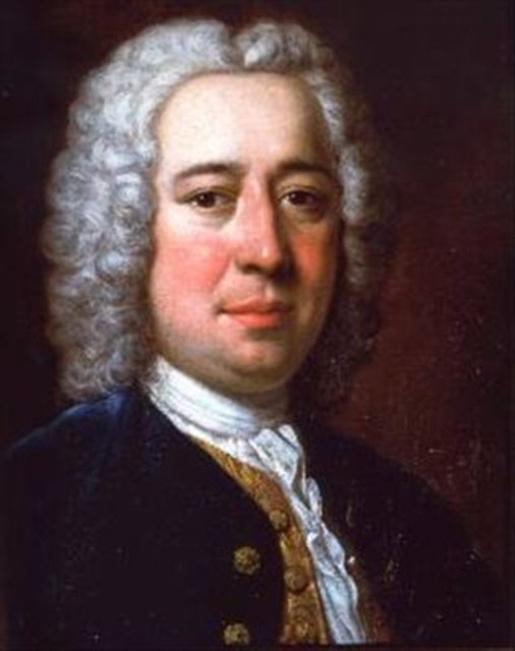
Gerard Lesne’s Spotify BioGerard Lesne has led a unique career: largely self-taught, he began as a jazz and rock singer who not only converted to more serious music, but became identified as one of the leading countertenors in the early music genre. He has sung with several early music ensembles, including the Clemencic Consort and with the group he founded, Il Seminario Musicale. The sound quality of Lesne's voice has been described as the male counterpart to the female contralto. His admirers will define him further, noting the many subtle gradations of volume and the nuances and color he is capable of imparting to an otherwise earthbound phrase. Many listeners, critics included, have asserted he is the finest French countertenor of his time. Lesne has made numerous recordings for a variety of labels, including EMI, Harmonia Mundi, Virgin Classics, and Accord.
Lesne was born in Montmorency, France, on July 15, 1956. He had little formal training in his early years, though he did study music for a time at the… Sorbonne. Until 1979, when he was 23, Lesne performed as a jazz and rock singer. At that time Belgian tenor Zeger Vandersteene became impressed with Lesne's vocal talents and introduced him to composer/conductor René Clemencic, founder and leader of early music ensemble the Clemencic Consort. Clemencic was immediately won over by the 23-year-old countertenor.
From 1979 Lesne began singing with the Consort, touring Europe usually to enthusiastic critical and audience response. From 1984 to 1990 he sang with Les Arts Florissants under William Christie, delving mainly into French Baroque repertory. In 1985 Lesne founded Il Seminario Musicale and explored Italian Baroque music (A. Scarlatti, Vivaldi, Stradella, and others) and made many recordings.
From 1988 to 1992 Lesne sang with Philippe Herreweghe and his ensembles (La Chapelle Royale and Collegium Vocale Gent). In 1990 he made two acclaimed recordings of J.S. Bach sacred works with Herreweghe that appeared on the Harmonia Mundi label.
Since 1993 Lesne has given vocal classes at the Royaumont Abbey in France, and throughout the 1990s and into the new century remained active on the concert scene, particularly with Il Seminario Musicale. Among the group's recordings is a 2005 five-CD set of French sacred music on Virgin Classics. Lesne's freelance recording activity includes the 2006 Harmonia Mundi issue Messe de Noël with conductor Marcel Pérès.
Viberate is a music analytics platform built for A&Rs, artist managers, labels, booking agents, marketers, and artists.
It helps music professionals track artist growth, analyze audience data, monitor playlist activity, compare artists, follow song performance, and identify opportunities across the music market.
Public artist pages provide a free preview of selected artist data. Paid plans provide access to deeper analytics, historical data, charts, comparisons, playlist tools, exports, alerts, reports, and additional professional features.
Yes. Public Viberate artist pages provide selected artist analytics and music data for free.
Viberate also offers a 7-day free trial of the full platform. A credit card is required to start the trial. The trial includes access to the complete product so users can test deeper artist analytics, historical views, playlist insights, comparisons, charts, exports, alerts, and reporting features before choosing a paid plan.
Viberate provides artist analytics across streaming, playlists, social media, video, radio airplay, songs, and audience markets.
Users can analyze Spotify performance, Spotify and Apple Music playlists, YouTube activity, TikTok and Instagram growth, radio spins, song performance, audience locations, demographics, rankings, and overall artist momentum.
Artist profiles also connect to music charts, similar artists, and comparison tools, helping users benchmark performance and evaluate artists in context.
Viberate updates key artist and track data daily.
For followed artists and tracks, selected data is refreshed multiple times per day. This helps teams monitor playlist changes, streaming movement, audience growth, releases, and campaign performance with more current data.
Update frequency can vary depending on the metric and data source.
Yes. Viberate lets users compare up to five artists side by side across streaming, social media, audience, and engagement metrics.
Users can compare fanbase growth, audience demographics, locations, Spotify performance, social metrics, and other artist data over selected time periods.
Artist comparison can be used for A&R scouting, benchmarking, booking decisions, campaign planning, and evaluating artists with similar audiences or market positions.