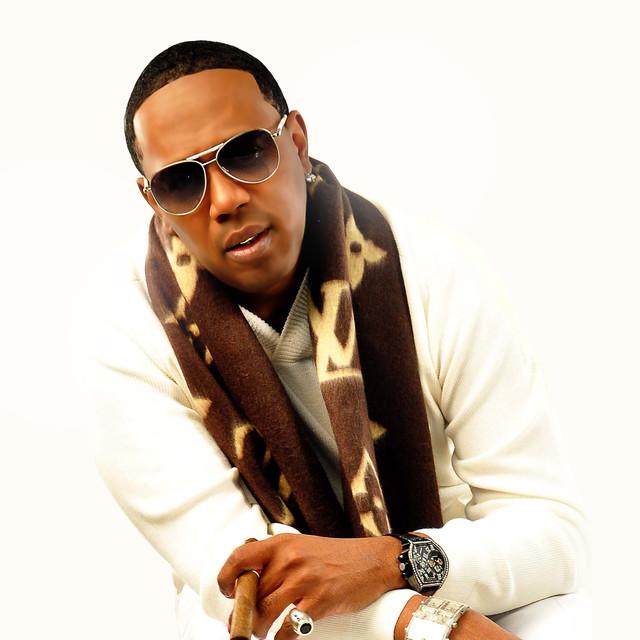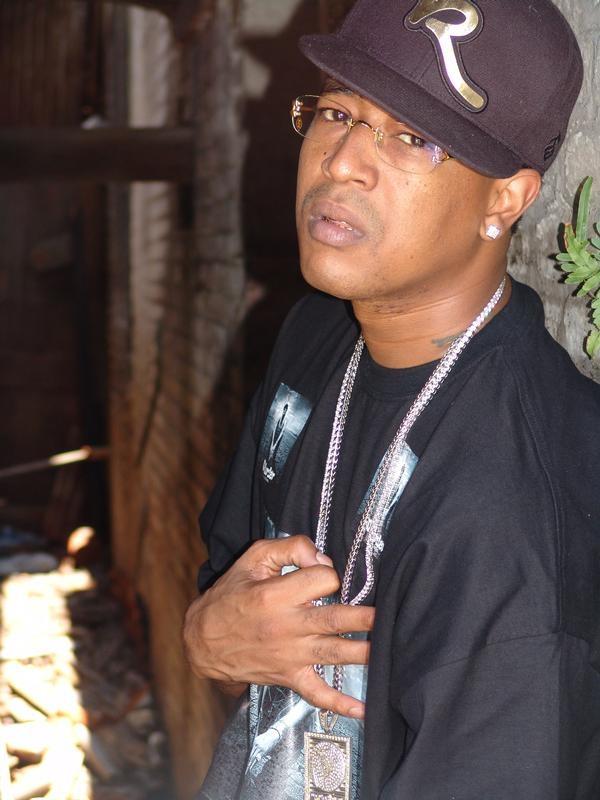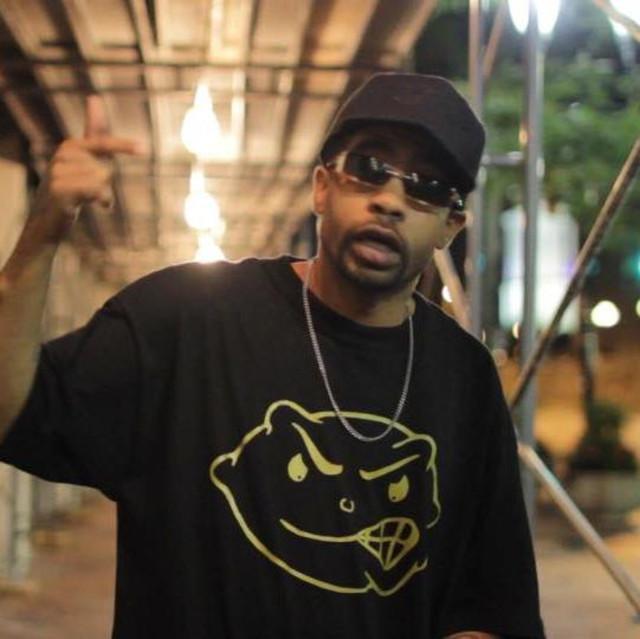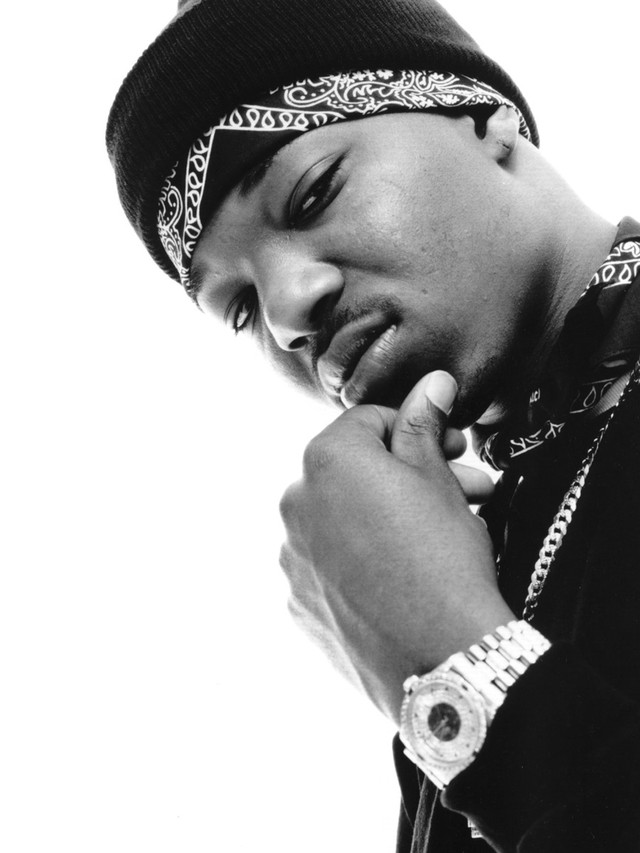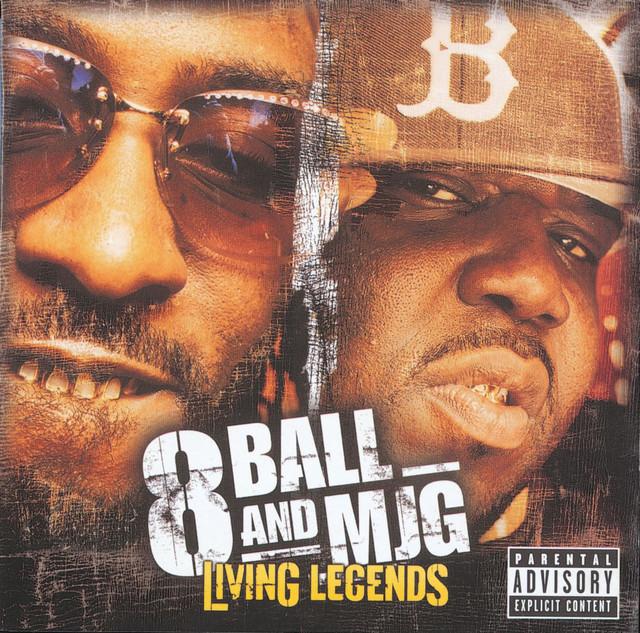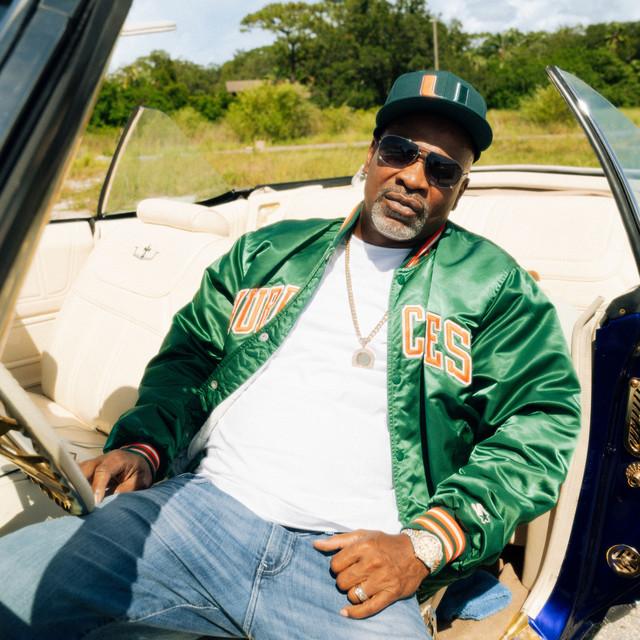
Silkk The Shocker

Hip Hop
Trap
Contemporary Hip Hop
 Viberate Rank: 20734
 Viberate Rank: 20734
 Monthly ListenersFollowers
 Subscribers
 Followers
 Followers
 FansTop Spotify Songs
| Track | 7-Day Streams | |
|---|---|---|
1 | 92.80K | |
2 | 57.35K | |
3 | 57.09K | |
4 | 39.78K | |
5 | 22.93K |
Top YouTube Videos| Video | 7-Day Views | |
|---|---|---|
1 | 22.51K | |
2 | 11.47K | |
3 | 1.62K | |
4 | 1.43K | |
5 | 1.31K |
Monthly ListenersFeatured in Playlists| Playlist | Followers | |
|---|---|---|
1 |  90s Rap | 90s Hiphop | Old School Hip Hop House Party! Anish Mammen | 252.93K |
2 |  90s Hip Hop Classics Nick Minto | 222.73K |
3 |  Hip Hop 90s Hip Hop Heroes | 212.76K |
4 |  WWE ENTRANCES Chester | 177.51K |
5 | WEED SONGS🍃💨 L | 120.84K |
Audience| City | Monthly Listeners | |
|---|---|---|
1 | | 7.43K |
2 | | 7.36K |
3 | | 5.55K |
4 | | 5.27K |
5 | | 3.79K |
See full performance history, audience data, playlist activity, rankings, comparisons, and more in Viberate music analytics. Start with a free trial, then continue with a paid plan.
Silkk The Shocker’s Spotify BioNext to Master P (and maybe C-Murder), Silkk the Shocker (born Vyshonne Miller) was the preeminent rapper on No Limit Records, the underground hardcore rap label that became a sensation in the late '90s. Since he is the brother of Master P, the founder of the label, you'd expect nothing less, actually. As a member of Tru, as a guest rapper, and as a solo artist, Silkk the Shocker appeared on most of No Limit's most successful records. His omnipresence says more about the way No Limit was run than it does about his skills. No Limit aggressively marketed each of its artists so they appeared to be superstars before they ever released an album; Silkk was no different. A modestly gifted rapper, Silkk never wanted to break boundaries, only to work within the confines of gangsta rap, and that's exactly what he did, turning out a series of records that celebrated all the clichés gangsta critics dismissed. Obviously, that's what his audience wanted, since his first two records went platinum… without support from radio, MTV, or the music industry at large.
Like his brothers Master P and C-Murder, Silkk the Shocker was born and raised in New Orleans. He began rapping as a teenager, joining a number of gangsta crews including the Down South Hustlers. He also joined Master P's group Tru, which also featured C-Murder. Before he launched his solo career, he had appeared on albums by the Down South Hustlers, the West Coast Bad Boyz, and Tru. In 1996, Silkk released his debut, The Shocker, on No Limit Records. Shortly after its release, he appended "the Shocker" as a surname. The Shocker slowly became an underground success, largely based on strong word of mouth. Throughout the course of 1997, Silkk the Shocker was all over No Limit releases, appearing on the I'm Bout It soundtrack, Tru's Tru 2 da Game, Mia X's Unlady Like, Mystikal's Unpredictable, and Master P's Ghetto D. His long-awaited second album, Charge It 2 da Game, finally appeared in February 1998, after being promoted by No Limit for nearly eight months. My World, My Way was released three years later. Based on a True Story hit the streets in 2004, and then the MC ventured into other media, such as writing theme songs for the World Wrestling Federation wrestlers and acting in the 2011 horror film Reservation. The All I Do Is Win mixtape marked his return to music in 2010, while the single "Don't Give Up" followed in 2014. The latter was joined a year later by "Business," both of the cuts landing on his 2016 album Incredible. ~ Stephen Thomas Erlewine, Rovi
Viberate is a music analytics platform built for A&Rs, artist managers, labels, booking agents, marketers, and artists.
It helps music professionals track artist growth, analyze audience data, monitor playlist activity, compare artists, follow song performance, and identify opportunities across the music market.
Public artist pages provide a free preview of selected artist data. Paid plans provide access to deeper analytics, historical data, charts, comparisons, playlist tools, exports, alerts, reports, and additional professional features.
Yes. Public Viberate artist pages provide selected artist analytics and music data for free.
Viberate also offers a 7-day free trial of the full platform. A credit card is required to start the trial. The trial includes access to the complete product so users can test deeper artist analytics, historical views, playlist insights, comparisons, charts, exports, alerts, and reporting features before choosing a paid plan.
Viberate provides artist analytics across streaming, playlists, social media, video, radio airplay, songs, and audience markets.
Users can analyze Spotify performance, Spotify and Apple Music playlists, YouTube activity, TikTok and Instagram growth, radio spins, song performance, audience locations, demographics, rankings, and overall artist momentum.
Artist profiles also connect to music charts, similar artists, and comparison tools, helping users benchmark performance and evaluate artists in context.
Viberate updates key artist and track data daily.
For followed artists and tracks, selected data is refreshed multiple times per day. This helps teams monitor playlist changes, streaming movement, audience growth, releases, and campaign performance with more current data.
Update frequency can vary depending on the metric and data source.
Yes. Viberate lets users compare up to five artists side by side across streaming, social media, audience, and engagement metrics.
Users can compare fanbase growth, audience demographics, locations, Spotify performance, social metrics, and other artist data over selected time periods.
Artist comparison can be used for A&R scouting, benchmarking, booking decisions, campaign planning, and evaluating artists with similar audiences or market positions.