Lucky Millinder

Jazz
Swing
 Viberate Rank: 160907
 Viberate Rank: 160907
 Monthly ListenersFollowers
 Subscribers
 Followers
 Followers
 FansTop Spotify Songs
| Track | 7-Day Streams | |
|---|---|---|
1 | 10.55K | |
2 | 7.00K | |
3 | 6.70K | |
4 | 1.47K | |
5 | 1.47K |
Top YouTube VideosMonthly ListenersFeatured in Playlists| Playlist | Followers | |
|---|---|---|
1 |  1930's-1950's Swing & Jazz michaeldil | 126.75K |
2 |  SWING DANCE - LINDY HOP - The best playlist - LOLA VAN Josep Anton Sr Escarlata | 44.61K |
3 | Best Swing Dance Music 1211974887 | 36.98K |
4 | Swing Dance Ivan Zdravkov | 25.88K |
5 |  LINDY HOP Dance Music Li Smuki | 22.75K |
Audience| City | Monthly Listeners | |
|---|---|---|
1 |  | 308 |
2 |  | 297 |
3 | | 276 |
4 | | 260 |
5 | | 245 |
See full performance history, audience data, playlist activity, rankings, comparisons, and more in Viberate music analytics. Start with a free trial, then continue with a paid plan.
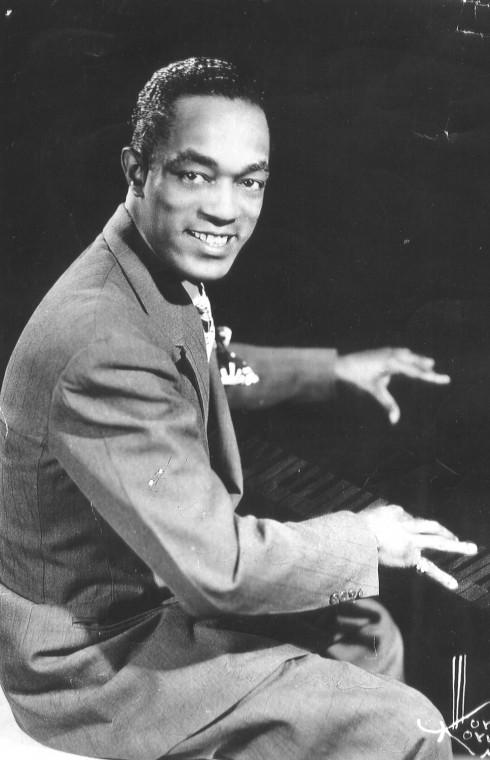
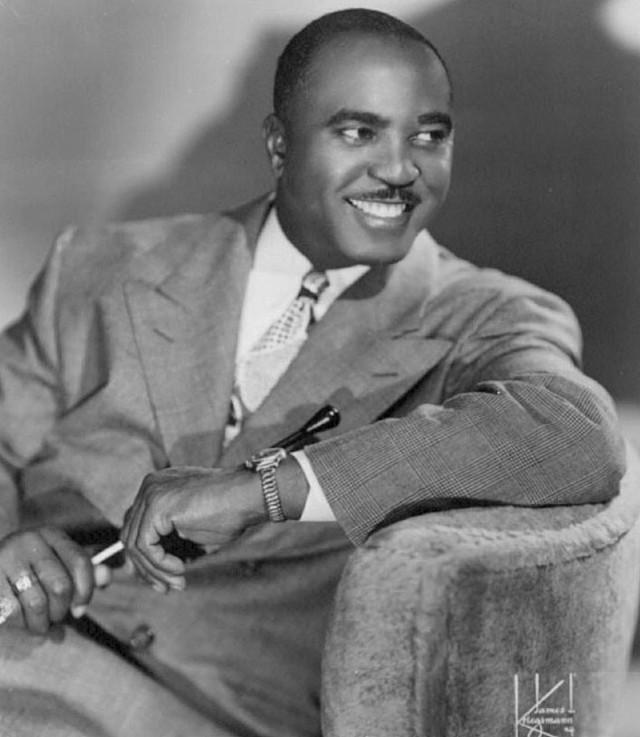
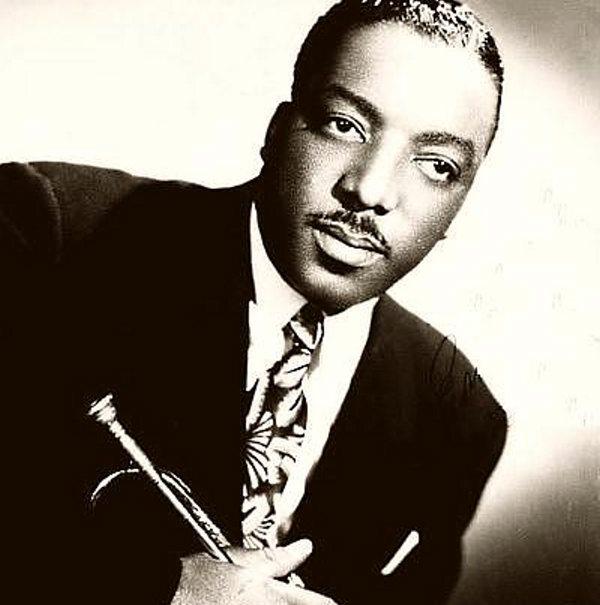
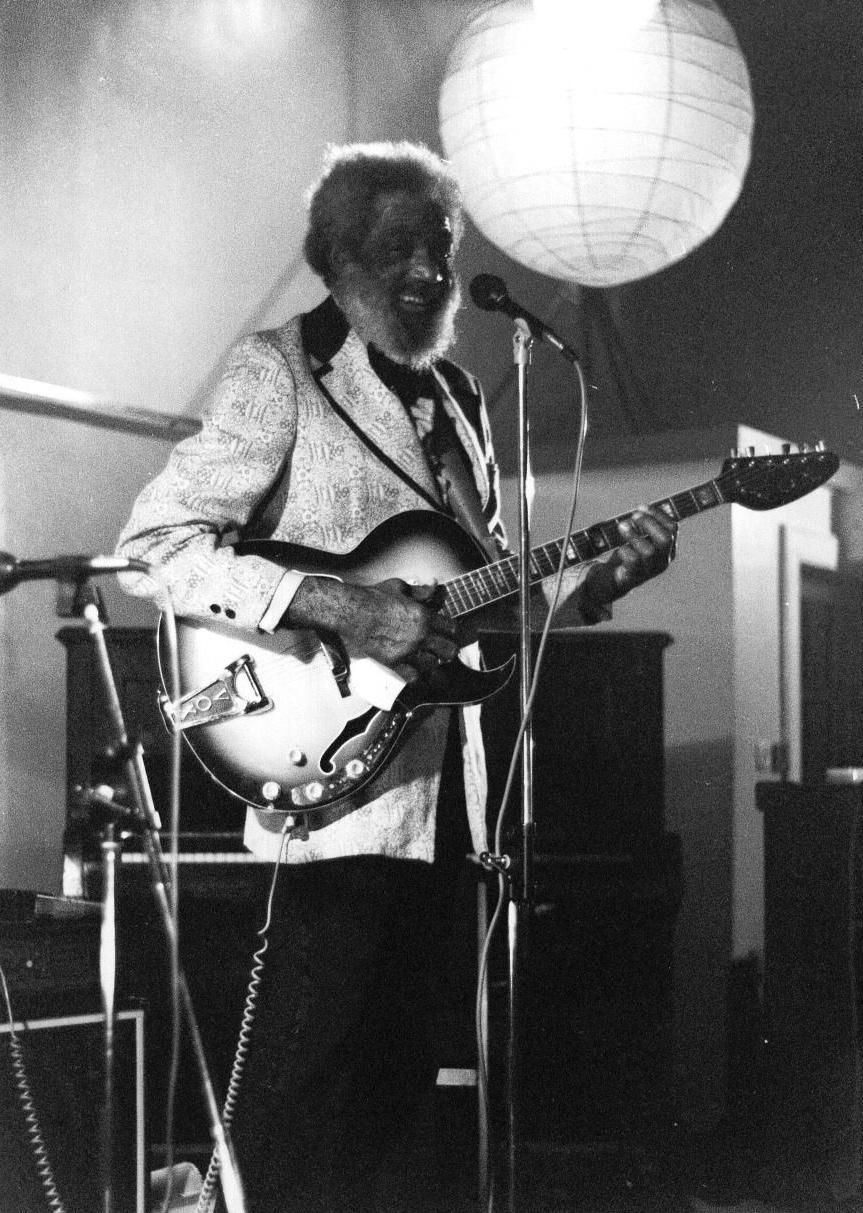
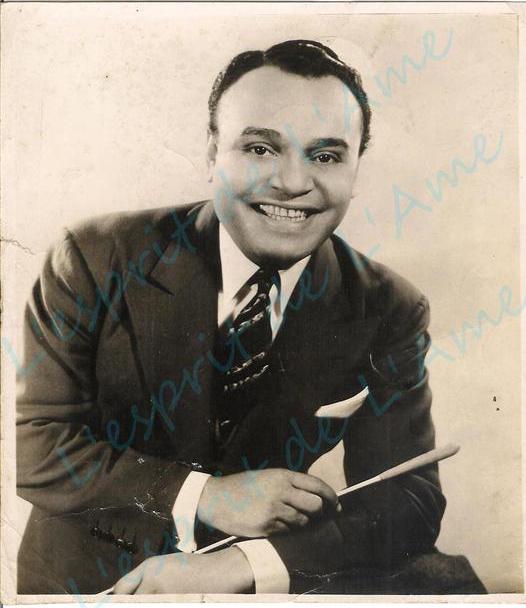
Lucky Millinder’s Spotify BioLucky Millinder was essentially a frontman, an occasional singer who conducted several impressive big bands. Millinder grew up in Chicago, worked as a dancer, and became a bandleader in 1931, using his original name of Lucius Venable, which he soon changed. He freelanced until 1934 when he took over leadership of the Mills Blue Rhythm Band, staying into 1938. In 1940, he formed his own orchestra, which worked at the Savoy Ballroom. Most notable among his sidemen was his star attraction, singer/guitarist Sister Rosetta Tharpe, pianist Bill Doggett, and, for a brief time in 1942, trumpeter Dizzy Gillespie and altoist Tab Smith. Millinder fronted bands on record from 1940-1952 and on a last session in 1955; the later recordings tended to be more R&B-oriented, although still of interest from a jazz standpoint. A Classics CD has all of Millinder's 1940-1942 sessions. Lucky Millinder spent his later years as a liquor salesman and a disc jockey. ~ Scott Yanow, Rovi
Viberate is a music analytics platform built for A&Rs, artist managers, labels, booking agents, marketers, and artists.
It helps music professionals track artist growth, analyze audience data, monitor playlist activity, compare artists, follow song performance, and identify opportunities across the music market.
Public artist pages provide a free preview of selected artist data. Paid plans provide access to deeper analytics, historical data, charts, comparisons, playlist tools, exports, alerts, reports, and additional professional features.
Yes. Public Viberate artist pages provide selected artist analytics and music data for free.
Viberate also offers a 7-day free trial of the full platform. A credit card is required to start the trial. The trial includes access to the complete product so users can test deeper artist analytics, historical views, playlist insights, comparisons, charts, exports, alerts, and reporting features before choosing a paid plan.
Viberate provides artist analytics across streaming, playlists, social media, video, radio airplay, songs, and audience markets.
Users can analyze Spotify performance, Spotify and Apple Music playlists, YouTube activity, TikTok and Instagram growth, radio spins, song performance, audience locations, demographics, rankings, and overall artist momentum.
Artist profiles also connect to music charts, similar artists, and comparison tools, helping users benchmark performance and evaluate artists in context.
Viberate updates key artist and track data daily.
For followed artists and tracks, selected data is refreshed multiple times per day. This helps teams monitor playlist changes, streaming movement, audience growth, releases, and campaign performance with more current data.
Update frequency can vary depending on the metric and data source.
Yes. Viberate lets users compare up to five artists side by side across streaming, social media, audience, and engagement metrics.
Users can compare fanbase growth, audience demographics, locations, Spotify performance, social metrics, and other artist data over selected time periods.
Artist comparison can be used for A&R scouting, benchmarking, booking decisions, campaign planning, and evaluating artists with similar audiences or market positions.