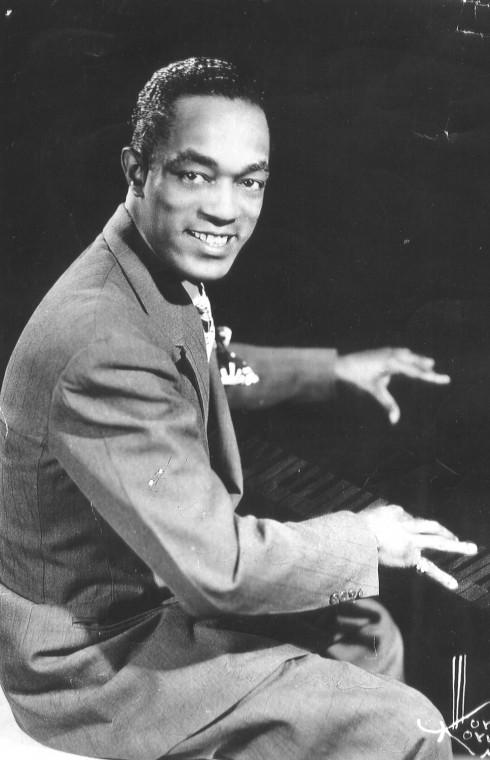
Buddy Johnson

Blues
Contemporary Blues
Swing
 Viberate Rank: 190674
 Viberate Rank: 190674
 Monthly ListenersFollowers
 Subscribers
 Followers
 Followers
 FansTop Spotify Songs
| Track | 7-Day Streams | |
|---|---|---|
1 | 2.72K | |
2 | 1.39K | |
3 | 1.39K | |
4 | 1.26K | |
5 | 1.20K |
Top YouTube VideosMonthly ListenersFeatured in Playlists| Playlist | Followers | |
|---|---|---|
1 |  Essential Classics Essential Classics | 31.39K |
2 | Swing Dance Ivan Zdravkov | 25.88K |
3 |  LINDY HOP Dance Music Li Smuki | 22.75K |
4 |  Burlesque & Striptease Classics annebaaner | 18.50K |
5 |  1930s, 1940s Pop Songs Jeff Lyons | 17.97K |
Audience| City | Monthly Listeners | |
|---|---|---|
1 |  | 209 |
2 |  | 181 |
3 | | 179 |
4 | | 162 |
5 |  | 148 |
See full performance history, audience data, playlist activity, rankings, comparisons, and more in Viberate music analytics. Start with a free trial, then continue with a paid plan.
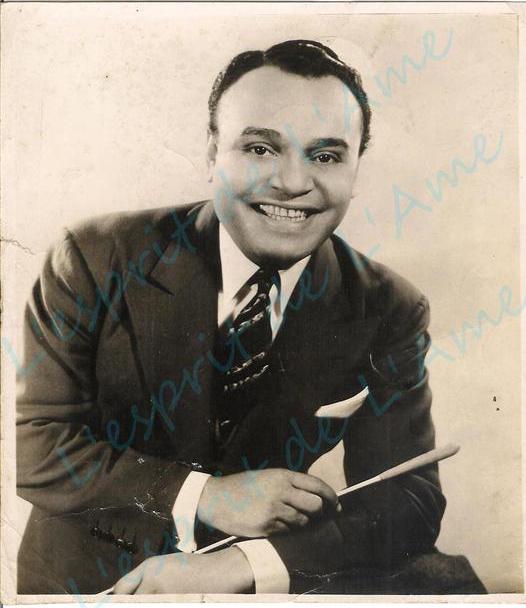
Buddy Johnson’s Spotify BioWith his sister Ella seductively serving for decades as his primary vocalist, pianist Buddy Johnson led a large jump blues band that enjoyed tremendous success during the 1940s and '50s. The suave bandleader spotlighted a series of talented singers, including balladeers Arthur Prysock, Nolan Lewis, and Floyd Ryland, but it was Ella's understated delivery (beautifully spotlighted on the sumptuous ballad "Since I Fell for You") and Buddy's crisply danceable "Walk-Em Rhythm" that made the aggregation so successful for so long.
Buddy began taking piano lessons at age four. Although he specialized professionally in tasty R&B, classical music remained one of his passions. In 1939, Buddy Johnson waxed his first 78 for Decca, "Stop Pretending (So Hep You See)." Shortly thereafter, Ella joined her older brother; her delicious vocal on "Please Mr. Johnson" translated into long-term employment.
Buddy had assembled a nine-piece orchestra by 1941 and visited the R&B charts often for Decca during… wartime with "Let's Beat Out Some Love," "Baby Don't You Cry," the chart-topping "When My Man Comes Home," and "That's the Stuff You Gotta Watch." Ella cut her beloved rendering of "Since I Fell for You" in 1945, a year after Buddy waxed his jiving gem "Fine Brown Frame."
In addition to their frequent jaunts on the R&B hit parade, the Johnson organization barnstormed the country to sellout crowds throughout the '40s. Buddy moved over to Mercury Records in 1953 and scored more smashes with Ella's "Hittin' on Me" and "I'm Just Your Fool," the latter a 1954 standout that was later purloined by Chicago harpist Little Walter.
Rock & roll eventually halted Buddy Johnson's momentum, but his band (tenor saxophonist Purvis Henson was a constant presence in the reed section) kept recording for Mercury through 1958, switched to Roulette the next year, and bowed out with a solitary session for Hy Weiss' Old Town label in 1964.
Singer Lenny Welch ensured the immortality of "Since I Fell for You" when his velvety rendition of the Johnson-penned ballad reached the uppermost reaches of the pop charts in 1963. It was a perfect match of song and singer; Welch's smooth, assured delivery would have fit in snugly with the Johnson band during its heyday a couple of decades earlier. ~ Bill Dahl, Rovi
Viberate is a music analytics platform built for A&Rs, artist managers, labels, booking agents, marketers, and artists.
It helps music professionals track artist growth, analyze audience data, monitor playlist activity, compare artists, follow song performance, and identify opportunities across the music market.
Public artist pages provide a free preview of selected artist data. Paid plans provide access to deeper analytics, historical data, charts, comparisons, playlist tools, exports, alerts, reports, and additional professional features.
Yes. Public Viberate artist pages provide selected artist analytics and music data for free.
Viberate also offers a 7-day free trial of the full platform. A credit card is required to start the trial. The trial includes access to the complete product so users can test deeper artist analytics, historical views, playlist insights, comparisons, charts, exports, alerts, and reporting features before choosing a paid plan.
Viberate provides artist analytics across streaming, playlists, social media, video, radio airplay, songs, and audience markets.
Users can analyze Spotify performance, Spotify and Apple Music playlists, YouTube activity, TikTok and Instagram growth, radio spins, song performance, audience locations, demographics, rankings, and overall artist momentum.
Artist profiles also connect to music charts, similar artists, and comparison tools, helping users benchmark performance and evaluate artists in context.
Viberate updates key artist and track data daily.
For followed artists and tracks, selected data is refreshed multiple times per day. This helps teams monitor playlist changes, streaming movement, audience growth, releases, and campaign performance with more current data.
Update frequency can vary depending on the metric and data source.
Yes. Viberate lets users compare up to five artists side by side across streaming, social media, audience, and engagement metrics.
Users can compare fanbase growth, audience demographics, locations, Spotify performance, social metrics, and other artist data over selected time periods.
Artist comparison can be used for A&R scouting, benchmarking, booking decisions, campaign planning, and evaluating artists with similar audiences or market positions.