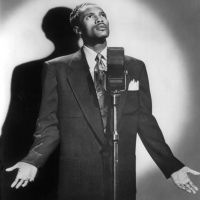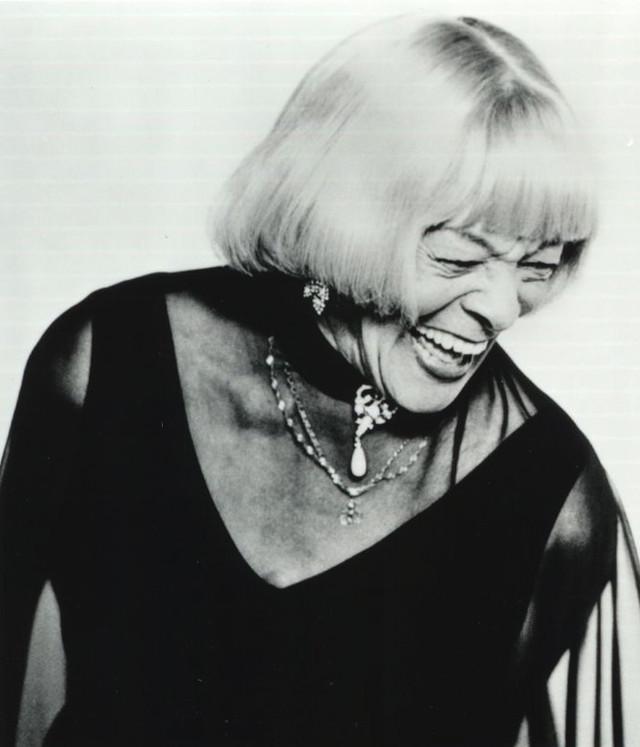
Hadda Brooks

Blues
Classic Blues
Jazz Fusion
 Viberate Rank: 353359
 Viberate Rank: 353359
 Monthly ListenersFollowers
 Subscribers
 Followers
 Followers
 FansTop Spotify Songs
| Track | 7-Day Streams | |
|---|---|---|
1 | 742 | |
2 | 242 | |
3 | 240 | |
4 | 228 | |
5 | 94 |
Top YouTube VideosMonthly ListenersFeatured in Playlists| Playlist | Followers | |
|---|---|---|
1 | Boogie Woogie ! Sondre Olsen-Bye | 33.90K |
2 |  1930s, 1940s Pop Songs Jeff Lyons | 17.97K |
3 |  Keeping The Blues Alive Joe Bonamassa | 10.34K |
4 | Old Soul Christmas Bomani Jones | 9.84K |
5 |  The Smashing Machine Official Playlist Spotify | 4.94K |
Audience| City | Monthly Listeners | |
|---|---|---|
1 |  | 94 |
2 | | 75 |
3 |  | 51 |
4 |  | 48 |
5 | | 41 |
See full performance history, audience data, playlist activity, rankings, comparisons, and more in Viberate music analytics. Start with a free trial, then continue with a paid plan.
Hadda Brooks’ Spotify BioIn the mid- to late '40s, Black popular music began to mutate from swing jazz and boogie woogie into the sort of rhythm & blues that helped lay the foundation for rock & roll. Singer and pianist Hadda Brooks was one of the many figures who was significant in aiding that transition, although she's largely forgotten today. While her torch song delivery was rooted in the big-band era, her boogie woogie piano looked forward to jump blues and R&B. Ironically, the same qualities that made her briefly successful -- her elegant vocals and jazzy arrangements -- left her ill-equipped to compete when harder-driving forms of rhythm & blues, and then early rock & roll, began to dominate the marketplace in the early '50s.
Brooks got a recording deal through a chance meeting with jukebox operator Jules Bihari, who was looking to record some boogie woogie. The Los Angeles-based Bihari, along with his brother Joe, would become major players in early R&B with their Modern label, which issued sides by B.B…. King, John Lee Hooker, Etta James, Jesse Belvin, and other stars. Brooks actually preferred ballads to boogie woogie, but worked up her style by listening to Pete Johnson, Albert Ammons, and Meade "Lux" Lewis records. Her first record, the pounding "Swingin' the Boogie," was a sizable regional hit in 1945. Joe Bihari would later tell author Arnold Shaw that the single was instrumental in establishing the Biharis in the record business.
Brooks' first records were instrumental, but by 1946 she was singing as well. She had a fair amount of success for Modern in the late '40s, reaching the R&B Top Ten with "Out of the Blue" and her most famous song, "That's My Desire" (which was covered for a big pop hit by Frankie Laine). Her success on record led to some roles in films, most notably in a scene from In a Lonely Place, which starred Humphrey Bogart.
Brooks briefly left Modern for an unsuccessful stint with major-label London in 1950. After a similarly unrewarding return to Modern in the early '50s and a brief stay at OKeh, she largely withdrew from recording and worked the nightclub circuit. For most of the '60s, in fact, she was based in Australia, where she hosted her own TV show. Her profile was boosted in the mid-'90s by her induction into the Rhythm & Blues Foundation Hall of Fame, and by the inclusion of her recording of "Anytime, Anyplace, Anywhere" in the film The Crossing Guard. A new album on Point Blank, Time Was When, was released in early 1996. ~ Richie Unterberger, Rovi
Viberate is a music analytics platform built for A&Rs, artist managers, labels, booking agents, marketers, and artists.
It helps music professionals track artist growth, analyze audience data, monitor playlist activity, compare artists, follow song performance, and identify opportunities across the music market.
Public artist pages provide a free preview of selected artist data. Paid plans provide access to deeper analytics, historical data, charts, comparisons, playlist tools, exports, alerts, reports, and additional professional features.
Yes. Public Viberate artist pages provide selected artist analytics and music data for free.
Viberate also offers a 7-day free trial of the full platform. A credit card is required to start the trial. The trial includes access to the complete product so users can test deeper artist analytics, historical views, playlist insights, comparisons, charts, exports, alerts, and reporting features before choosing a paid plan.
Viberate provides artist analytics across streaming, playlists, social media, video, radio airplay, songs, and audience markets.
Users can analyze Spotify performance, Spotify and Apple Music playlists, YouTube activity, TikTok and Instagram growth, radio spins, song performance, audience locations, demographics, rankings, and overall artist momentum.
Artist profiles also connect to music charts, similar artists, and comparison tools, helping users benchmark performance and evaluate artists in context.
Viberate updates key artist and track data daily.
For followed artists and tracks, selected data is refreshed multiple times per day. This helps teams monitor playlist changes, streaming movement, audience growth, releases, and campaign performance with more current data.
Update frequency can vary depending on the metric and data source.
Yes. Viberate lets users compare up to five artists side by side across streaming, social media, audience, and engagement metrics.
Users can compare fanbase growth, audience demographics, locations, Spotify performance, social metrics, and other artist data over selected time periods.
Artist comparison can be used for A&R scouting, benchmarking, booking decisions, campaign planning, and evaluating artists with similar audiences or market positions.