Harry Babbitt

Pop
Mainstream Pop
Big band Jazz
 Viberate Rank: 210448
 Viberate Rank: 210448
 Monthly ListenersFollowers
 Subscribers
 Followers
 Followers
 FansTop Spotify Songs
| Track | 7-Day Streams | |
|---|---|---|
1 | 22.14K | |
2 | 19.52K | |
3 | 5.97K | |
4 | 3.67K | |
5 | 3.44K |
Top YouTube VideosMonthly ListenersFeatured in Playlists| Playlist | Followers | |
|---|---|---|
1 |  Fallout Radio (All Games) morgan | 112.87K |
2 | Wasteland Radio Expanded Neale Christopher Zeringue | 76.99K |
3 |  Bioshock Music Collection noix_np | 29.36K |
4 |  1940s Hits (Billboard #1 Singles) aviakinard | 24.14K |
5 | 1940s Ben Hughes | 19.93K |
Audience| City | Monthly Listeners | |
|---|---|---|
1 |  | 625 |
2 | | 608 |
3 | | 445 |
4 | | 352 |
5 | | 343 |
See full performance history, audience data, playlist activity, rankings, comparisons, and more in Viberate music analytics. Start with a free trial, then continue with a paid plan.
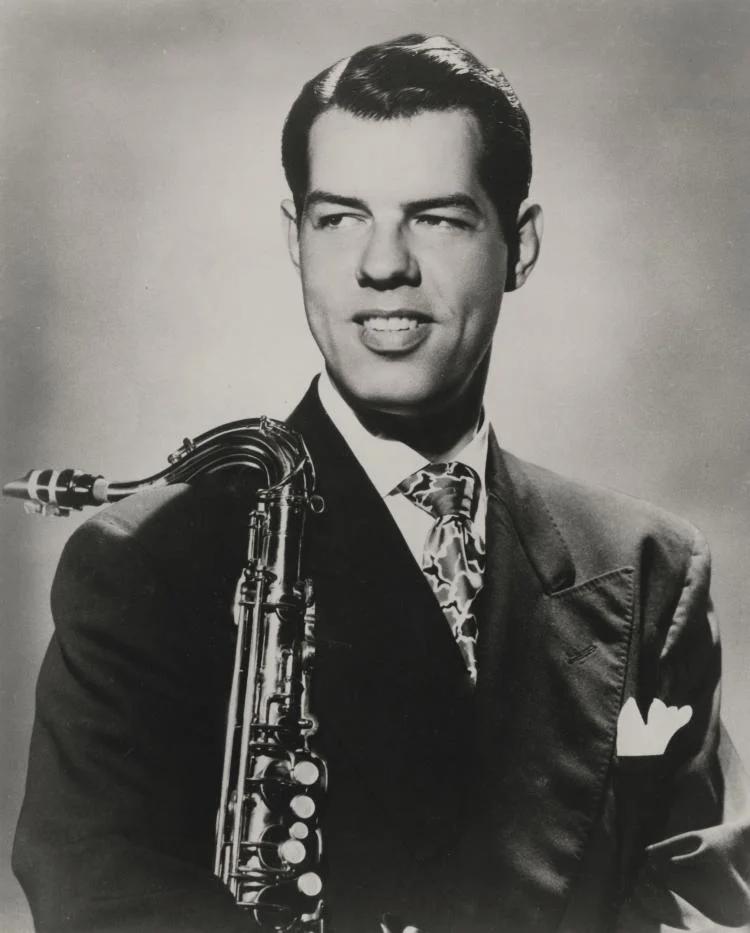
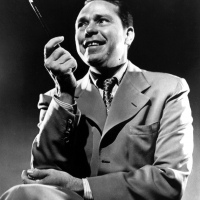
Harry Babbitt’s Spotify BioThe longtime lead vocalist with Kay Kyser's big band, Harry Babbitt is perhaps best known to subsequent generations for providing the distinctive laugh of cartoon icon Woody Woodpecker. Born November 2, 1913 in St. Louis, Missouri, Babbitt joined Kyser's orchestra in 1938 -- with his warm high baritone voice and good looks (Kyser dubbed him "Handsome Harry"), he was a hit on record and film alike, in 1939 co-starring in That's Right, You're Wrong, the first of seven Hollywood features he made with the group. In addition to singing on hits including "The Umbrella Man," "Three Little Fishies," "Who Wouldn't Love You," "Jingle, Jangle, Jingle," and "He Wears a Pair of Silver Wings," Babbitt was also a featured player on the smash radio series Kay Kyser's Kollege of Musical Knowledge. From 1944 to 1946 he served in the U.S. Navy, returning to the Kyser group following his discharge -- in 1948, they recorded "The Woody Woodpecker Song," written by George Tibbles and Ramez Idriss in honor of… the popular Walter Lanz animated creation. The Kyser disc sold 250,000 copies, and Babbitt also recorded a new version for use in Lanz's Oscar-nominated short Wet Blanket Policy. (The song would remain a staple of the Woody Woodpecker franchise for years to come.) Another Babbitt smash was his solo rendition of the seasonal hit "All I Want for Christmas Is My Two Front Teeth" -- other solo efforts include "I'll Get By," "How Are Things in Glocca Morra?" and "Portrait of Jenny." For close to a decade, he also hosted the weekday radio program The Second Cup of Coffee Club. Babbitt retired from performing in 1964 to begin a career in real estate, but following Kyser's 1985 death he acquired the rights to Kyser's name and catalog from the bandleader's widow, spending the next decade touring under the Kyser Orchestra aegis. Babbitt died of natural causes in a Newport Beach, California nursing home on April 9, 2004. ~ Jason Ankeny, Rovi
Viberate is a music analytics platform built for A&Rs, artist managers, labels, booking agents, marketers, and artists.
It helps music professionals track artist growth, analyze audience data, monitor playlist activity, compare artists, follow song performance, and identify opportunities across the music market.
Public artist pages provide a free preview of selected artist data. Paid plans provide access to deeper analytics, historical data, charts, comparisons, playlist tools, exports, alerts, reports, and additional professional features.
Yes. Public Viberate artist pages provide selected artist analytics and music data for free.
Viberate also offers a 7-day free trial of the full platform. A credit card is required to start the trial. The trial includes access to the complete product so users can test deeper artist analytics, historical views, playlist insights, comparisons, charts, exports, alerts, and reporting features before choosing a paid plan.
Viberate provides artist analytics across streaming, playlists, social media, video, radio airplay, songs, and audience markets.
Users can analyze Spotify performance, Spotify and Apple Music playlists, YouTube activity, TikTok and Instagram growth, radio spins, song performance, audience locations, demographics, rankings, and overall artist momentum.
Artist profiles also connect to music charts, similar artists, and comparison tools, helping users benchmark performance and evaluate artists in context.
Viberate updates key artist and track data daily.
For followed artists and tracks, selected data is refreshed multiple times per day. This helps teams monitor playlist changes, streaming movement, audience growth, releases, and campaign performance with more current data.
Update frequency can vary depending on the metric and data source.
Yes. Viberate lets users compare up to five artists side by side across streaming, social media, audience, and engagement metrics.
Users can compare fanbase growth, audience demographics, locations, Spotify performance, social metrics, and other artist data over selected time periods.
Artist comparison can be used for A&R scouting, benchmarking, booking decisions, campaign planning, and evaluating artists with similar audiences or market positions.