Grant Hart

Rock
Alternative Rock
Power Pop
 Viberate Rank: 272051
 Viberate Rank: 272051
 Monthly ListenersFollowers
 Subscribers
 Followers
 Followers
 FansTop Spotify Songs
| Track | 7-Day Streams | |
|---|---|---|
1 | 563 | |
2 | 407 | |
3 | 166 | |
4 | 118 | |
5 | 109 |
Top YouTube VideosMonthly ListenersFeatured in Playlists| Playlist | Followers | |
|---|---|---|
1 |  Background Music for Kissing Del Water Gap | 15.46K |
2 |  VRT Radio 1 Classics 1000 2021 radio1be | 10.96K |
3 | 120 Minutes full Archive frankspin | 7.87K |
4 |  ANDREW WEATHERALL - music is not for everyone vervyerver | 3.98K |
5 | Stubru Was het nu 80, 90 of 2000 Johan De Kimpe | 3.58K |
Audience| City | Monthly Listeners | |
|---|---|---|
1 |  | 89 |
2 |  | 74 |
3 | | 61 |
4 |  | 59 |
5 | | 56 |
See full performance history, audience data, playlist activity, rankings, comparisons, and more in Viberate music analytics. Start with a free trial, then continue with a paid plan.
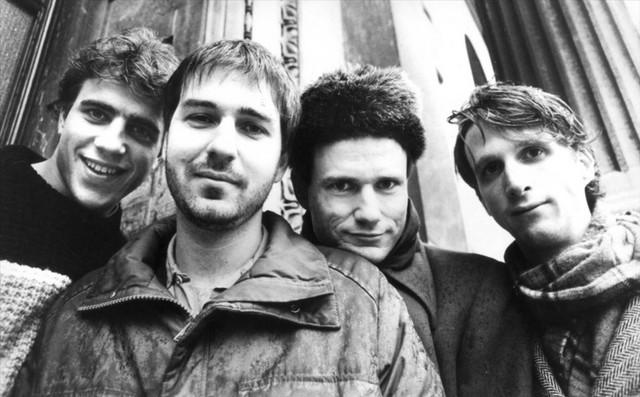
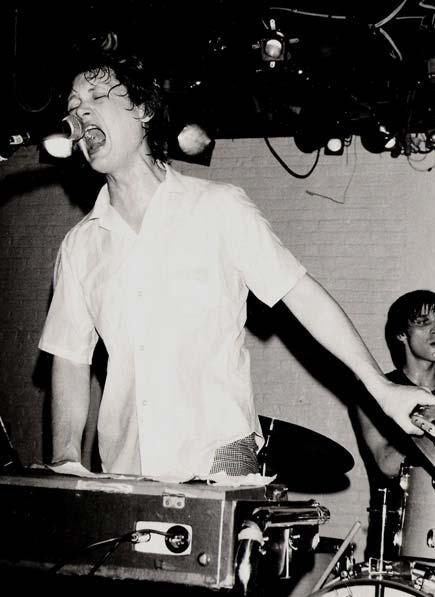
Grant Hart’s Spotify BioAs one of the co-leaders of the seminal post-hardcore punk group Hüsker Dü, Grant Hart was one of the most influential musicians of the '80s, blending raw sonic aggression with pop melodies and songs. Following the group's demise in 1987, he launched a solo career that was marked by an erratic work schedule. After releasing one solo album, he formed a trio called Nova Mob in 1989, which released two albums between 1991 and 1994, when Hart became a solo artist again.
Playing drums and singing lead, Hart formed Hüsker Dü along with Bob Mould (lead vocals, guitar) and Greg Norton (bass) in the late '70s in St. Paul. Over the course of the early '80s, the group initially built a strong following in the U.S. hardcore punk underground, eventually breaking into wider recognition with their 1984 album, Zen Arcade. Within two years, the Hüskers signed to Warner, becoming one of the first indie bands of the '80s to move to a major label. Though the group was poised to break into the mainstream,… certain parts of the industry, including radio, resisted them. Furthermore, the group was splintering, as all the members suffered from substance abuse; Hart and Mould were also developing a debilitating rivalry. At the end of 1987, the group imploded; according to different sources, Hart either quit or was fired because of his heroin addiction.
In the spring of 1988, Hart became the first Hüsker Dü member to release a solo recording when his primarily acoustic 2541 EP (named after the address of the group's old office and studio) was released on the band's old record label, SST. The following year, he released the full-length Intolerance, which he recorded as a one-man band.
Later in 1989, Hart formed Nova Mob, which released their first single, "All of My Senses," in 1990. A year later, the group released the EP Admiral of the Sea on Rough Trade. Nova Mob's first album, a rock opera named The Last Days of Pompeii, appeared in 1991. Following its release, the group was dormant for several years, eventually re-emerging in 1994 with an eponymous album. Hart quietly split up the trio after Nova Mob, and disappeared for two more years. In 1996, he released the live acoustic album Ecce Homo in Britain. Good News for Modern Man followed in 1999.
The next decade was relatively quiet for Hart, as he pursued other artistic avenues outside of music. One of the highlights of these ten quiet years was a 2005 reunion with Bob Mould at a benefit concert for Soul Asylum's Karl Mueller, who was then suffering from cancer. Hart returned to action in 2009 with Hot Wax, which was greeted with positive reviews. Four years later, the concept album The Argument -- based equally on works by William S. Burroughs and John Milton -- was released in the summer of 2013. Four years later, Hart died in September 2017 at the age of 56, after a battle with kidney cancer. ~ Stephen Thomas Erlewine, Rovi
Viberate is a music analytics platform built for A&Rs, artist managers, labels, booking agents, marketers, and artists.
It helps music professionals track artist growth, analyze audience data, monitor playlist activity, compare artists, follow song performance, and identify opportunities across the music market.
Public artist pages provide a free preview of selected artist data. Paid plans provide access to deeper analytics, historical data, charts, comparisons, playlist tools, exports, alerts, reports, and additional professional features.
Yes. Public Viberate artist pages provide selected artist analytics and music data for free.
Viberate also offers a 7-day free trial of the full platform. A credit card is required to start the trial. The trial includes access to the complete product so users can test deeper artist analytics, historical views, playlist insights, comparisons, charts, exports, alerts, and reporting features before choosing a paid plan.
Viberate provides artist analytics across streaming, playlists, social media, video, radio airplay, songs, and audience markets.
Users can analyze Spotify performance, Spotify and Apple Music playlists, YouTube activity, TikTok and Instagram growth, radio spins, song performance, audience locations, demographics, rankings, and overall artist momentum.
Artist profiles also connect to music charts, similar artists, and comparison tools, helping users benchmark performance and evaluate artists in context.
Viberate updates key artist and track data daily.
For followed artists and tracks, selected data is refreshed multiple times per day. This helps teams monitor playlist changes, streaming movement, audience growth, releases, and campaign performance with more current data.
Update frequency can vary depending on the metric and data source.
Yes. Viberate lets users compare up to five artists side by side across streaming, social media, audience, and engagement metrics.
Users can compare fanbase growth, audience demographics, locations, Spotify performance, social metrics, and other artist data over selected time periods.
Artist comparison can be used for A&R scouting, benchmarking, booking decisions, campaign planning, and evaluating artists with similar audiences or market positions.