Big Dipper

Hip Hop
Contemporary Hip Hop
Indie Rock
 Viberate Rank: 363142
 Viberate Rank: 363142
 Monthly ListenersFollowers
 Subscribers
 Followers
 Followers
 FansTop Spotify Songs
| Track | 7-Day Streams | |
|---|---|---|
1 | 351 | |
2 | 351 | |
3 | 144 | |
4 | 60 | |
5 | 49 |
Top YouTube VideosMonthly ListenersFeatured in Playlists| Playlist | Followers | |
|---|---|---|
1 |  underground indie rock but it’s actually underground Traintle | 15.29K |
2 |  🐁 avalon emerson's 9000 dreams in the Perpetual Emotional Machine✨ avalon emerson | 12.79K |
3 |  Shrill: Official Playlist Hulu | 8.39K |
4 | 120 Minutes full Archive frankspin | 7.87K |
5 |  Rock Band DLC Rock Band | 6.76K |
Audience| City | Monthly Listeners | |
|---|---|---|
1 | | 52 |
2 | | 51 |
3 | | 47 |
4 | | 40 |
5 | | 39 |
See full performance history, audience data, playlist activity, rankings, comparisons, and more in Viberate music analytics. Start with a free trial, then continue with a paid plan.
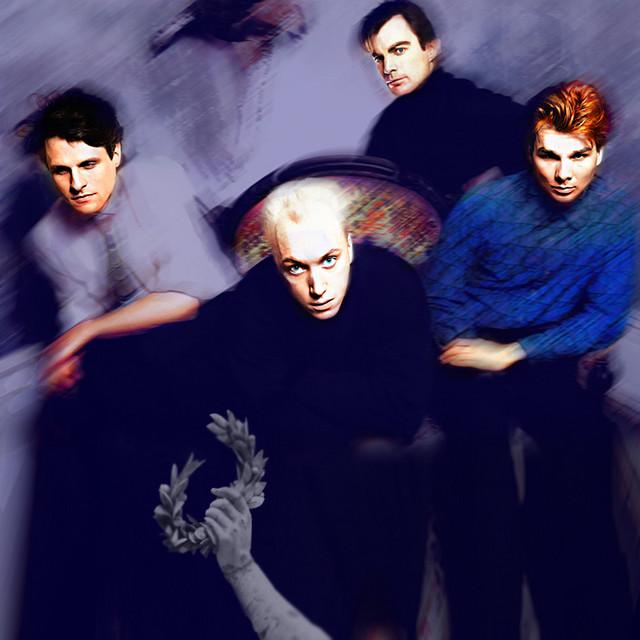
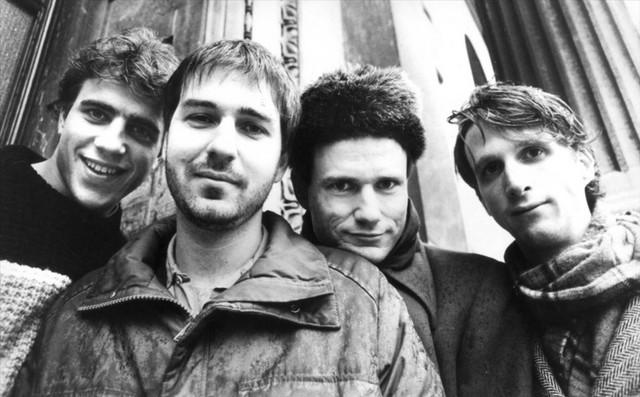
Big Dipper’s Spotify BioA great band that never quite fulfilled their enormous potential, Boston's Big Dipper had impeccable indie credentials and an excellent line in crunchy post-post-punk guitar pop, but their later albums were no match for their early work.
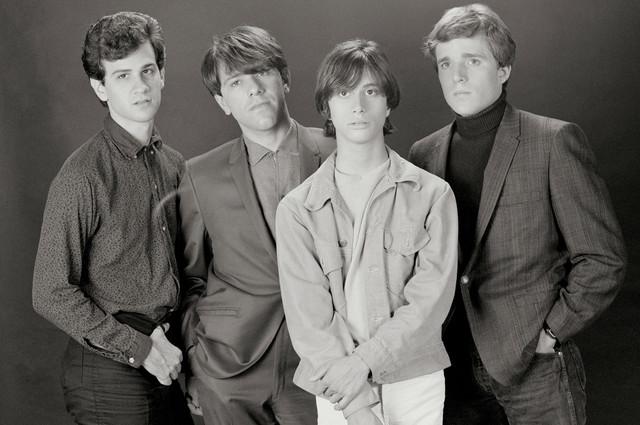
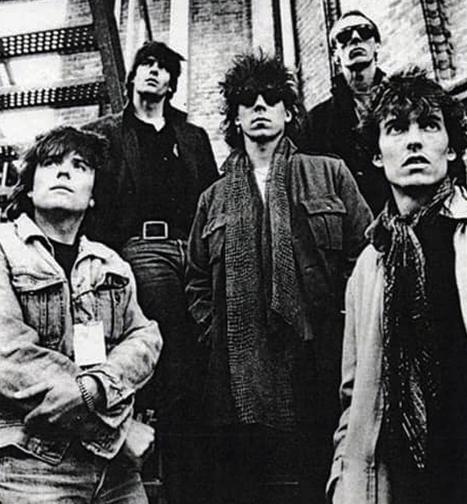
Big Dipper was formed in 1985 when guitarist Gary Waleik and bassist Steve Michener left the original lineup of Volcano Suns, which they'd formed with drummer and vocalist Peter Prescott after the breakup of Prescott's earlier band Mission of Burma. Both uncomfortable with the idea of taking lead vocal chores, Waleik and Michener recruited singer/guitarist Bill Goffrier, who had moved to Boston after his former band, the Lawrence, KS-based indie pioneers the Embarrassment, had split up in 1983. Completing their lineup with local drummer Jeff Oliphant (formerly in an early lineup of Dumptruck), Big Dipper gigged around Boston and Cambridge for a while before recording their first EP, 1987's Boo-Boo, at the soon-to-be-famous Fort Apache Studios. Leading… off with the killer "Faith Healer" (a song Goffrier had brought with him from the final days of the Embarrassment that would prove to be one of Big Dipper's most popular tunes, even getting covered by Shonen Knife), Boo-Boo was well-received on both the local and national indie scenes. Later the same year, the full-length Heavens was released (with no overlap from the EP, which was included on the CD issue) to even greater acclaim. An excellent synthesis of sunny power pop, neo-psychedelia, and indie rock angst featuring gems like "She's Fetching" and "All Going Out Together," Heavens is one of the finest American indie albums of its era.
Unfortunately, 1988's Craps is a comparatively weaker effort, with less sharp songwriting and a more sedate vibe. (Goffrier at this point was dividing his time between Big Dipper and a temporary Embarrassment reunion, which might account for his less striking contributions.) After that release, Big Dipper surprisingly signed with Epic Records. Like their Boston compatriots O-Positive, who had signed with the same label around the same time, Big Dipper's one and only major-label release is a major disappointment; 1990's Slam features far-too-slick production, with intrusive brass sections and too much emphasis on the rhythm section. Demoralized by the lack of critical and popular success for the album, Big Dipper broke up shortly thereafter. Michener moved to California and briefly worked with Barbara Manning before retiring from music to become a nurse. Other than the short-lived supergroup Crush, Sr., which released one album in 1993, Waleik also retired, becoming a producer for National Public Radio. ~ Stewart Mason, Rovi
Viberate is a music analytics platform built for A&Rs, artist managers, labels, booking agents, marketers, and artists.
It helps music professionals track artist growth, analyze audience data, monitor playlist activity, compare artists, follow song performance, and identify opportunities across the music market.
Public artist pages provide a free preview of selected artist data. Paid plans provide access to deeper analytics, historical data, charts, comparisons, playlist tools, exports, alerts, reports, and additional professional features.
Yes. Public Viberate artist pages provide selected artist analytics and music data for free.
Viberate also offers a 7-day free trial of the full platform. A credit card is required to start the trial. The trial includes access to the complete product so users can test deeper artist analytics, historical views, playlist insights, comparisons, charts, exports, alerts, and reporting features before choosing a paid plan.
Viberate provides artist analytics across streaming, playlists, social media, video, radio airplay, songs, and audience markets.
Users can analyze Spotify performance, Spotify and Apple Music playlists, YouTube activity, TikTok and Instagram growth, radio spins, song performance, audience locations, demographics, rankings, and overall artist momentum.
Artist profiles also connect to music charts, similar artists, and comparison tools, helping users benchmark performance and evaluate artists in context.
Viberate updates key artist and track data daily.
For followed artists and tracks, selected data is refreshed multiple times per day. This helps teams monitor playlist changes, streaming movement, audience growth, releases, and campaign performance with more current data.
Update frequency can vary depending on the metric and data source.
Yes. Viberate lets users compare up to five artists side by side across streaming, social media, audience, and engagement metrics.
Users can compare fanbase growth, audience demographics, locations, Spotify performance, social metrics, and other artist data over selected time periods.
Artist comparison can be used for A&R scouting, benchmarking, booking decisions, campaign planning, and evaluating artists with similar audiences or market positions.