Lyres

Rock
Garage Rock
 Viberate Rank: 207843
 Viberate Rank: 207843
 Monthly ListenersFollowers
 Subscribers
 Followers
 Followers
 FansTop Spotify Songs
| Track | 7-Day Streams | |
|---|---|---|
1 | 2.90K | |
2 | 2.54K | |
3 | 787 | |
4 | 485 | |
5 | 224 |
Top YouTube VideosMonthly ListenersFeatured in Playlists| Playlist | Followers | |
|---|---|---|
1 |  Deutscher Hip-Hop (mit Niveau) jewlzqb | 25.65K |
2 |  El Sótano de Radio 3 Groovyfamily | 9.84K |
3 | Top 10,000 Songs of All Time Acclaimed Music | 9.19K |
4 | Jesper Nyhetsmorgon jtunbjörk | 7.74K |
5 | New music 2026 OOR | 7.51K |
Audience| City | Monthly Listeners | |
|---|---|---|
1 |  | 307 |
2 | | 175 |
3 | | 170 |
4 | | 142 |
5 | | 142 |
See full performance history, audience data, playlist activity, rankings, comparisons, and more in Viberate music analytics. Start with a free trial, then continue with a paid plan.
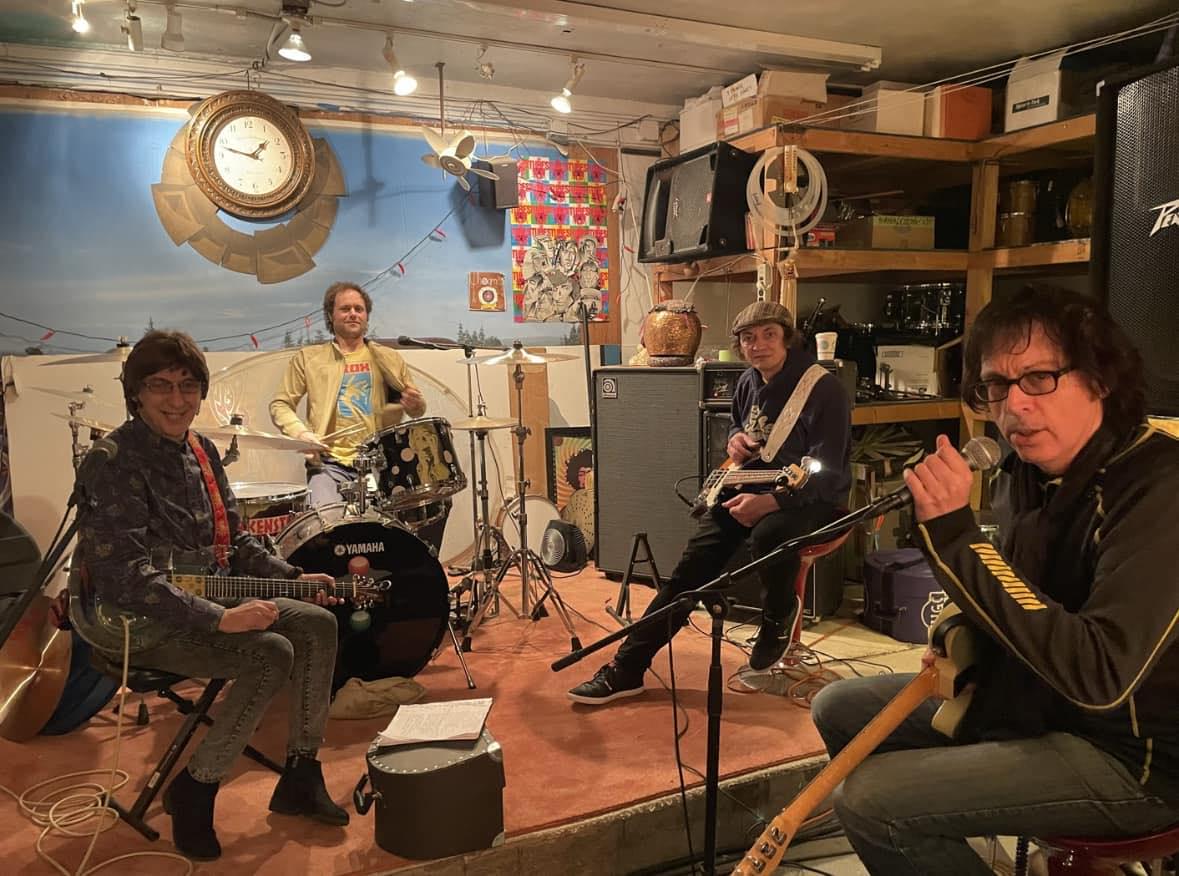
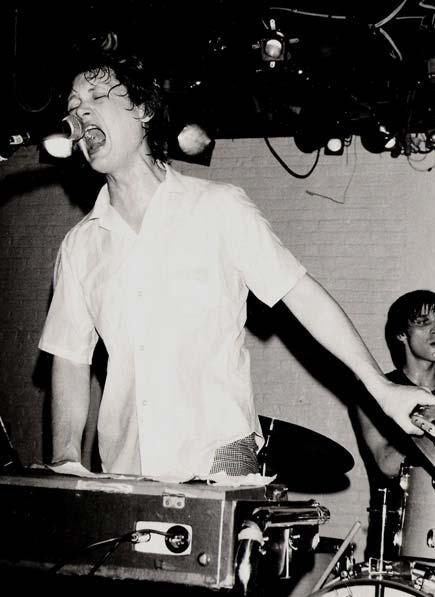
Lyres’ Spotify BioOne of New England's underground rock institutions, Lyres were hot-wiring the sound of '60s garage rock long before it was fashionable, and their lean but energetic formula stayed very much the same through numerous lineup changes for over more than four decades. Lyres were the creation of vocalist, keyboard player, songwriter, and uncontested leader Jeff Conolly, also known as Monoman, who devised their organ-led sound and fronted countless sweat-soaked shows, making a glorious ruckus as he pounded his keyboard, sang like a soulful lunatic, and shook his tambourine when things seemed to be getting remotely static. Formed in 1979 shortly after the demise of Conolly's like-minded group DMZ, Lyres quickly became mainstays on the Boston rock scene and were one of the key bands on the garage rock revival scene of the '80s on the strength of the albums On Fyre (1984) and Lyres Lyres (1986). Like many of their peers in the garage revival community, Lyres became less visible nationwide in the… '90s, but they maintained a strong following in their native Massachusetts and continued to record and perform into the 2010s.
Jeff Conolly was nicknamed "Monoman" partly because of his love of monophonic recordings of the '60s and in part because of his monomaniacal obsession with vintage rock & roll. He was born in Albany, New York, moved with his family to a town near Pittsburgh, Pennsylvania when he was five, and at the age of ten, relocated to Darien, Connecticut. By the time he arrived in Darien, Conolly had already began playing keyboards and developed a taste for the Beatles, the Rolling Stones, and Paul Revere and the Raiders. Conolly fell in with a group of musically minded peers in his teens, and hoped to attend music school, but his parents had other ideas. In 1976, Conolly enrolled at Boston University, but he soon dropped out to play rock & roll. One of his friends at BU, Adam Schwartz, was singing in a band called DMZ, whose style blended raw '60s sounds with the speed and attitude of the burgeoning punk rock movement. Conolly saw DMZ play at a party and dug their sound, but Schwartz was soon bounced from the lineup for seeming too mannered. Seeing an opportunity, Conolly soon volunteered to take his place, and became their lead singer while also playing electric piano. DMZ (who briefly featured David Robinson on drums before he left to join the Cars) released an EP on the esteemed independent rock & roll label Bomp! Records in 1977, and Sire Records soon offered the band a major label deal. However, DMZ's self-titled debut album, produced by Mark Volman and Howard Kaylan of the Turtles and Flo & Eddie and released in May 1978, didn't capture the full impact of their live show, and by the end of that year, DMZ had split.
Not about to throw in the towel, in January 1979, Conolly debuted the first edition of Lyres, who differed from DMZ in some small but significant ways -- they eased back on the '70s punk facets of their music to focus on '60s-style material, they found Conolly moving from piano to a Vox Continental organ, and featured one guitarist instead of two. The first Lyres performances featured the final DMZ rhythm section of Rick Coraccio on bass and Paul Murphy on drums, with Rick Carmel on guitar. This lineup would cut the first Lyres single, "How Do You Know" b/w "Don't Give It Up Now," for Sounds Interesting Records, and highlights from one of their gigs would appear on the 1987 release Live at Cantones. By August 1979, the band has splintered, and Conolly would recruit guitarist Alex Kronos, bassist Scott Parmenter, and drummer Bob Mackenzie for live work. A handful of other musicians would drift in and out of the Lyres before mid-1980, when Conolly teamed up with Peter Greenberg on guitar, Mike Lewis on bass, and Howie Ferguson on drums. This lineup would record the first Lyres release for Boston's Ace of Hearts Records, a four-song EP that came out in 1981 called AHS-1005 (some fans called it "Buried Alive" in reference to its first song). The EP won the group attention outside of Boston, and a single followed in 1983, "I Really Want You Right Now" b/w "Help You Ann." By January 1983, that version of Lyres was history (Greenberg would go on to Barrence Whitfield & the Savages while Mike Lewis would play in an early edition of Yo La Tengo), and Dan McCormack came aboard to play guitar, while the initial rhythm section of Rick Coraccio and Paul Murphy returned to the fold. These four musicians would record the first full-length Lyres album, 1984's On Fyre, a powerful set that featured five original tunes and five covers, with the band sounding solid enough that it was hard to tell which tunes were which. The album earned great press and good sales for an indie release, and this lineup of the group stayed together until the dawn of 1986, a long run by Lyres standards.
After Johnny Bernardo replaced Paul Murphy on drums, Lyres returned to the studio to cut their second album, Lyres Lyres, released by Ace of Hearts in 1986. A more contemplative set than the debut with a greater number of Conolly originals, the album was once again successful and the band toured North America extensively. 1988 saw the release of their third album, A Promise Is a Promise, which included guest appearances from Stiv Bators (of the Dead Boys and Lords of the New Church) and Wally Tax (of Dutch beat-era heroes the Outsiders). This album featured another Lyres lineup, with Conolly, Murphy, Jack Hickey on guitar, and Matt Milkos on bass. This lineup played shows in North America and Europe, while in 1988 they also recorded a version of Love's "Signed D.C." for an Arthur Lee tribute album, with Judd Williams taking over on drums. In 1989, Conolly decided he'd grown tired of Boston, and moved to San Diego, California. On the West Coast, Conolly assembled a new edition of Lyres with three members of the group the Nashville Ramblers, guitarist Carl Rusk, bassist Tom Ward, and drummer Ron Silva. By 1991, Conolly had returned to Boston, and he re-formed Lyres with three former members of the group -- Ricky Carmel on guitar, Rick Coraccio on bass, and Paul Murphy on drums. This edition of the group cut the 1993 album Happy Now, which was released by Boston's Taang! label, who had previously released an odds-and-ends EP, Nobody but Lyres, in 1992.
From the mid-'90s onward, Conolly continued to perform with Lyres, often in lineups featuring Rick Coraccio and Paul Murphy, but the group's recording activities were limited to singles for various specialist labels, including Telstar, Feathered Apple, and Living Eye. Lyres cut a version of the Rolling Stones' rarity "Now I've Got a Witness" for the Norton Records series of Stones tribute singles, with the flip side featuring the Lyres offshoot the New Conolly Six. A steady stream of reissues and collections of rare material also found its way to the marketplace; Taang! brought out the Some Lyres collection 1994, 1995 saw the Norton Records release Those Lyres, Matador Records reissued the three Ace of Hearts albums in 1998, and Munster Records released a box set of eight vinyl singles in 2017 under the title Lucky 7. In 2015, Jeff Conolly began work on a Lyres album and launched a crowdfunding campaign to help finance the sessions. In September 2018, he announced the band was in the last stages of the project, with final recording and mixing scheduled for late October of that year. ~ Mark Deming, Rovi
Viberate is a music analytics platform built for A&Rs, artist managers, labels, booking agents, marketers, and artists.
It helps music professionals track artist growth, analyze audience data, monitor playlist activity, compare artists, follow song performance, and identify opportunities across the music market.
Public artist pages provide a free preview of selected artist data. Paid plans provide access to deeper analytics, historical data, charts, comparisons, playlist tools, exports, alerts, reports, and additional professional features.
Yes. Public Viberate artist pages provide selected artist analytics and music data for free.
Viberate also offers a 7-day free trial of the full platform. A credit card is required to start the trial. The trial includes access to the complete product so users can test deeper artist analytics, historical views, playlist insights, comparisons, charts, exports, alerts, and reporting features before choosing a paid plan.
Viberate provides artist analytics across streaming, playlists, social media, video, radio airplay, songs, and audience markets.
Users can analyze Spotify performance, Spotify and Apple Music playlists, YouTube activity, TikTok and Instagram growth, radio spins, song performance, audience locations, demographics, rankings, and overall artist momentum.
Artist profiles also connect to music charts, similar artists, and comparison tools, helping users benchmark performance and evaluate artists in context.
Viberate updates key artist and track data daily.
For followed artists and tracks, selected data is refreshed multiple times per day. This helps teams monitor playlist changes, streaming movement, audience growth, releases, and campaign performance with more current data.
Update frequency can vary depending on the metric and data source.
Yes. Viberate lets users compare up to five artists side by side across streaming, social media, audience, and engagement metrics.
Users can compare fanbase growth, audience demographics, locations, Spotify performance, social metrics, and other artist data over selected time periods.
Artist comparison can be used for A&R scouting, benchmarking, booking decisions, campaign planning, and evaluating artists with similar audiences or market positions.