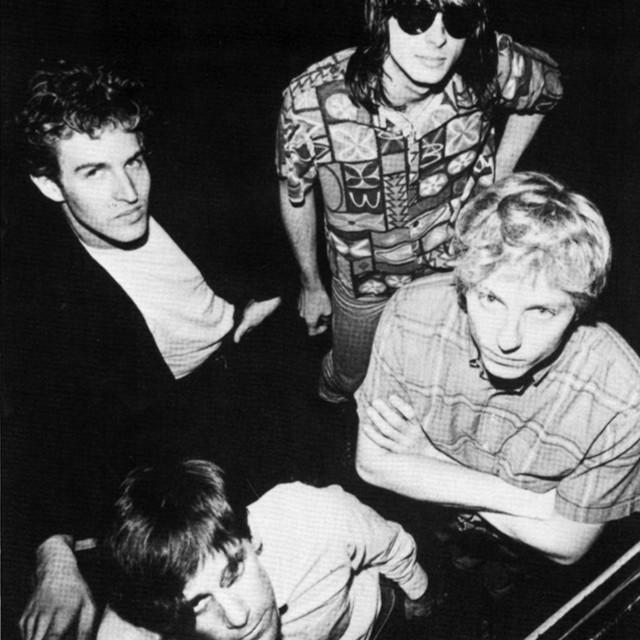
The Dream Syndicate

Rock
Alternative Rock
Indie Rock
 Viberate Rank: 118948
 Viberate Rank: 118948
 Monthly ListenersFollowers
 Subscribers
 Followers
 Followers
 FansTop Spotify Songs
| Track | 7-Day Streams | |
|---|---|---|
1 | 2.86K | |
2 | 2.42K | |
3 | 819 | |
4 | 619 | |
5 | 586 |
Top YouTube VideosMonthly ListenersFeatured in Playlists| Playlist | Followers | |
|---|---|---|
1 |  Anthony Bourdain's Favorite Songs alexanderlenox-us | 58.30K |
2 | wicks Brennan McDowell | 43.73K |
3 | 80's New Wave Pascal Amiaud | 31.89K |
4 |  GOTH ULTIMATE LIST | DARK WAVE/POST-PUNK/GOTHIC ROCK/EBM/SYNTH/DEATH ROCK Annie Dark | 31.60K |
5 |  Roadrunner : A Film About Anthony Bourdain Roadrunnermovie | 28.84K |
Audience| City | Monthly Listeners | |
|---|---|---|
1 |  | 429 |
2 |  | 425 |
3 |  | 416 |
4 | | 394 |
5 | | 380 |
See full performance history, audience data, playlist activity, rankings, comparisons, and more in Viberate music analytics. Start with a free trial, then continue with a paid plan.
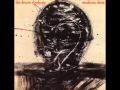
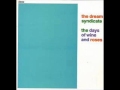
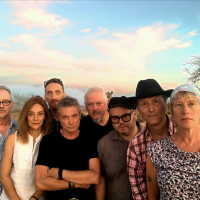
The Dream Syndicate’s Spotify BioOne of the most celebrated bands to come out of the Los Angeles' Paisley Underground scene of the '80s, the Dream Syndicate clearly adored the intricate wordplay and edgy energy of Highway 61 Revisited-era Bob Dylan, as well as the noisy guitars and bracing darkness of the Velvet Underground. Dream Syndicate leader Steve Wynn's initial influences may have been clear, but he was a strong enough songwriter to give the group material that stood on its own, and over the course of their run, the Dream Syndicate took their music in a number of challenging directions. After the stark, nervy sound of their first album, 1982's The Days of Wine and Roses, they crafted a darker and more ambitious follow-up, 1984's Medicine Show, that moved them into a dustier and more rock-oriented sound. 1986's Out of the Grey and 1988's Ghost Stories stripped down their approach and embraced a wiry, energetic attack, but they were released just as the group was winding down. On 2017's How Did I Find Myself… Here?, Wynn introduced a revamped Dream Syndicate with an approach that was, as always, dominated by strong guitars and literate songwriting, but this time with an experimental bent that dovetailed into psychedelia on 2019's These Times and revealed ambient and prog influences on 2022's Ultraviolet Battle Hymns and True Confessions.
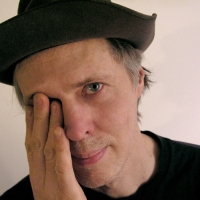
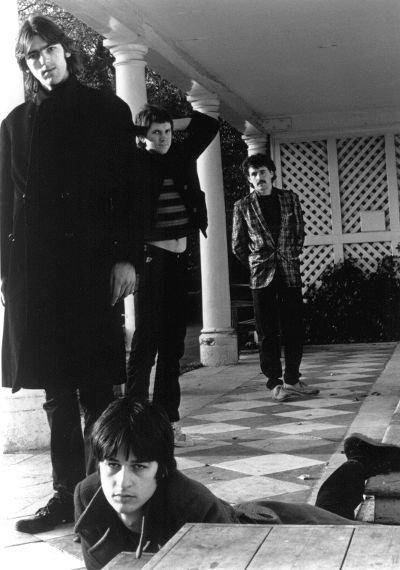
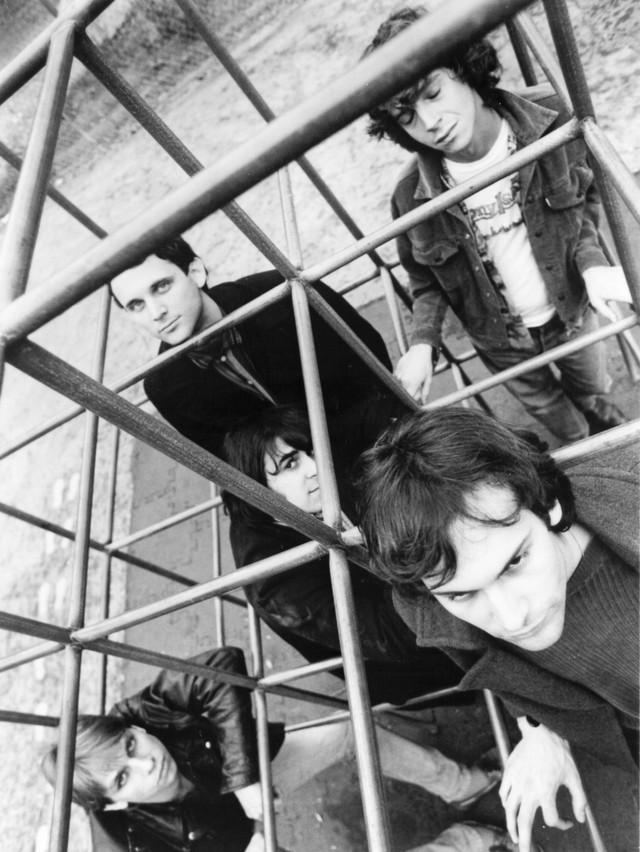
Steve Wynn was a student at the University of California, Davis when he formed his first band, a five-piece outfit called the Suspects; they were one of the first new wave bands in the area, and the membership included vocalist Kendra Smith (they met in a Rhetoric class), guitarist Russ Tolman, and Gavin Blair on drums. The band was short-lived but released one single in 1979, "It's Up to You" b/w "Talking Loud." (After they broke up, Tolman and Blair would later form True West.) Wynn's next project was another band that quickly faded out, 15 Minutes, which included members of another UC Davis band, Alternate Learning (led by future Game Theory and Loud Family frontman Scott Miller); like the Suspects, they left behind one single, 1981's "That's What You Always Say" b/w "Last Chance for You." Wynn left Davis for Los Angeles, and after a short stint with a project called Goat Deity (bandmates Kelly Callan and Kristi Callan would later form Wednesday Week), Wynn decided it was time to start a band of his own. He placed an ad looking for a bassist and got a reply from Karl Precoda, who was also a powerful guitarist. Wynn and Precoda became the band's guitar players, Kendra Smith was recruited to play bass and lend occasional vocals, and Dennis Duck (born Dennis Mehaffey), a veteran of the Pasadena group Human Hands, completed the quartet on drums. Borrowing their name from one of John Cale's pre-Velvet Underground projects, the Dream Syndicate made their debut on February 23, 1982 at a Hollywood club called Club Lingerie.
Shortly after their first gig, the Dream Syndicate recorded a four-song EP released on Wynn's Down There label, which was well received in the West Coast music press. The good reviews coupled with the band's powerful live shows, with extensive guitar interplay from Precoda and Wynn, created a significant buzz around the Dream Syndicate, and they struck a deal with Ruby Records, an offshoot of the celebrated L.A. indie label Slash Records. Produced by Chris D. (aka Chris Desjardins) of the Flesh Eaters, the first Dream Syndicate album, The Days of Wine and Roses, was released in October 1982, and was greeted with rave reviews as the band became one of the most talked about new groups in the American underground. The acclaim led to offers from several major labels, and the Dream Syndicate signed with A&M for their second album. By the time they went into the studio to start work on their major-label debut, Kendra Smith had left to form Opal with David Roback (formerly of the Rain Parade), and David Provost took over on bass. With Blue Öyster Cult producer Sandy Pearlman at the controls, the Dream Syndicate spent seven days a week in the studio for five months slowly crafting 1984's Medicine Show, which was significantly more polished but also darker, more indebted to hard rock, and suggested Wynn had swapped out Bob Dylan for Neil Young as his most significant influence. Critics and fans alike were puzzled by the album's sound and scale, and its modest sales didn't make a dent in the significant expense of the recording. Before the band could tour in support of the album, David Provost left, and bassist Mark Walton came on board. After releasing a live EP, 1984's This Is Not the New Dream Syndicate Album, A&M dropped them. Precoda soon left and Wynn briefly retired the group, cutting a stopgap project with Dan Stuart of Green on Red, The Lost Weekend, under the name Danny & Dusty.
The Dream Syndicate's hiatus didn't last long, and Steve Wynn, Mark Walton, and Dennis Duck regrouped with guitarist Paul B. Cutler, who had played with the Consumers and 45 Grave (and coincidentally engineered the debut EP on Down There). Cutler's sharper and sleeker guitar style meshed well with the noir-influenced narratives that now dominated Wynn's songs, and 1986's Out of the Grey (initially released by the BMG-distributed Bigtime label) was warmly welcomed by critics and proved the band had found their second wind. Producer Elliot Mazer, who had previously worked with Neil Young, Janis Joplin, and Gordon Lightfoot, lent his talents to the Dream Syndicate for 1988's Ghost Stories, released by Restless Records, and the band toured extensively in Europe, the U.K., and the United States in support. In 1989, Restless released Live at Raji's, an exciting set cut at a club show shortly before the recording of Ghost Stories, but it turned out to be a swan song for the second edition of the Dream Syndicate, who broke up shortly after its release. A documentary on the band's final American tour, Weathered and Torn, was released in 1992. Wynn went on to a solo career as well as recording and performing with a number of side projects, including Gutterball, Smack Dab, and the Baseball Project. A few posthumous Dream Syndicate albums appeared after they called it quits, including 1993's 3 ½ (The Lost Tapes: 1985-1988), a collection of unreleased outtakes, and 1994's The Day Before Wine and Roses, taken from a 1982 live radio broadcast of a show that took place the day before they started work on their first album.
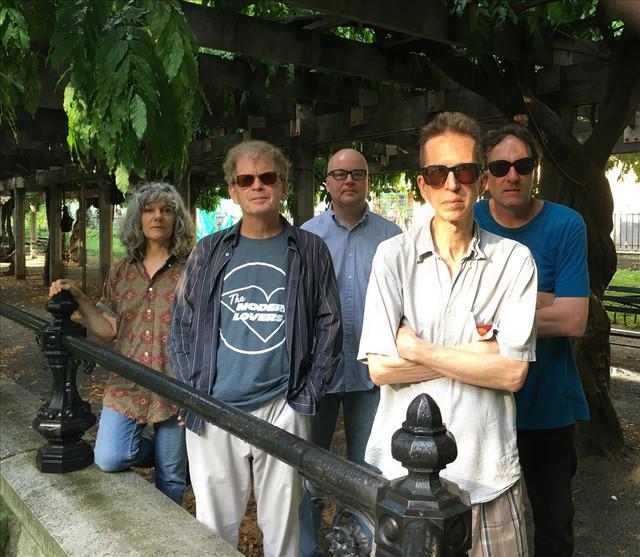
In 2012, after several European tours in which Steve Wynn performed Dream Syndicate material with his group the Miracle 3, he unveiled a new lineup of the band at Festival BAM in Barcelona, Spain. This edition featured previous members Wynn, Dennis Duck, and Mark Walton, as well as guitarist Jason Victor, who had played with Wynn in his solo projects. The revived Dream Syndicate staged several concert tours, mostly in Europe, before returning to the studio to cut a new album. How Did I Find Myself Here? was released by Anti- in September 2017, and featured guest vocals from Kendra Smith. The album also introduced the group's fifth member, keyboard player Chris Cacavas, previously with Green on Red. The album was well-reviewed, and the group toured extensively in America and Europe. In 2018, the Dream Syndicate took part in an unusual recording project called 3x4, in which four of the major Paisley Underground acts of the '80s -- the Dream Syndicate, the Bangles, the Rain Parade, and the Three O'Clock -- covered each other's songs, with the Dream Syndicate tackling "Hero Takes a Fall," "You Are My Friend," and "She Turns to Flowers." The same year, for Record Store Day, they brought out a limited-edition collection, How We Found Ourselves … Everywhere, which featured one studio outtake from the How Did I Find Myself Here? sessions, as well as four live performances. May 2019 brought another studio album from the band, These Times; their touring behind the album included several dates opening for the reunited Mott the Hoople.
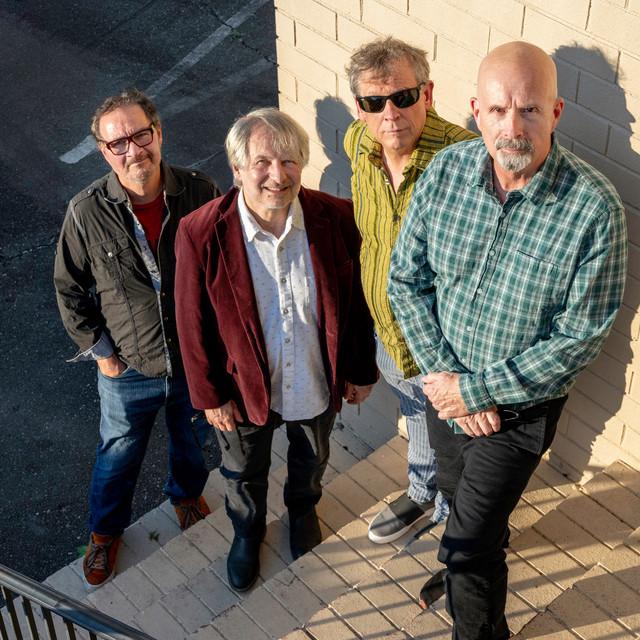
Just short of a year later, in April 2020, the Dream Syndicate delivered another studio album, The Universe Inside, whose exploratory tone suggested a mid-point between psychedelia and jazz. 2020 also found the Dream Syndicate backing guitarist Chris Schlarb on four cuts of Houses of the Holy, an album from his experimental rock/jazz project Psychic Temple. The band gave fans the definitive look at their 1986 release Out of the Grey with the 2022 collection What Can I Say? No Regrets...: Out of the Grey + Live, Demos & Outtakes, a three-disc which featured a remastered version of the original LP along with a wealth of live recordings, outtakes from the recording sessions, songwriting demos, and an abundance of covers, from Alice Cooper to Dolly Parton & Porter Wagoner. The group signed to the Fire Records for the release of 2022's Ultraviolet Battle Hymns and True Confessions, which once again saw them exploring new territory, with Wynn citing the Motorik rhythms of Neu! and the ambient soundscapes of Brian Eno as key influences on the songs. Adding to the album's diverse sonic palette were guest appearances from Marcus Tenney on trumpet and sax, and Stephen McCarthy of the Long Ryders on backing vocals. Fire continued illuminating the band's past with an expanded reissue of The Days of Wine and Roses titled History Kinda Pales When It and You Are Aligned: The Days of Wine and Roses - 40th Anniversary Edition. The set collects nearly all the bonus tracks that had been on previous reissues while adding a healthy selection of live tracks culled from Duck's tape archives. ~ Mark Deming, Rovi
Viberate is a music analytics platform built for A&Rs, artist managers, labels, booking agents, marketers, and artists.
It helps music professionals track artist growth, analyze audience data, monitor playlist activity, compare artists, follow song performance, and identify opportunities across the music market.
Public artist pages provide a free preview of selected artist data. Paid plans provide access to deeper analytics, historical data, charts, comparisons, playlist tools, exports, alerts, reports, and additional professional features.
Yes. Public Viberate artist pages provide selected artist analytics and music data for free.
Viberate also offers a 7-day free trial of the full platform. A credit card is required to start the trial. The trial includes access to the complete product so users can test deeper artist analytics, historical views, playlist insights, comparisons, charts, exports, alerts, and reporting features before choosing a paid plan.
Viberate provides artist analytics across streaming, playlists, social media, video, radio airplay, songs, and audience markets.
Users can analyze Spotify performance, Spotify and Apple Music playlists, YouTube activity, TikTok and Instagram growth, radio spins, song performance, audience locations, demographics, rankings, and overall artist momentum.
Artist profiles also connect to music charts, similar artists, and comparison tools, helping users benchmark performance and evaluate artists in context.
Viberate updates key artist and track data daily.
For followed artists and tracks, selected data is refreshed multiple times per day. This helps teams monitor playlist changes, streaming movement, audience growth, releases, and campaign performance with more current data.
Update frequency can vary depending on the metric and data source.
Yes. Viberate lets users compare up to five artists side by side across streaming, social media, audience, and engagement metrics.
Users can compare fanbase growth, audience demographics, locations, Spotify performance, social metrics, and other artist data over selected time periods.
Artist comparison can be used for A&R scouting, benchmarking, booking decisions, campaign planning, and evaluating artists with similar audiences or market positions.