Nikki Sudden

Rock
Indie Rock
Post Punk
 Viberate Rank: 263321
 Viberate Rank: 263321
 Monthly ListenersFollowers
 Subscribers
 Followers
 Followers
 FansTop Spotify Songs
| Track | 7-Day Streams | |
|---|---|---|
1 | 2.31K | |
2 | 2.29K | |
3 | 665 | |
4 | 478 | |
5 | 283 |
Top YouTube VideosMonthly ListenersFeatured in Playlists| Playlist | Followers | |
|---|---|---|
1 | Unofficial Reverb Radio Jeff Ferruzzo | 21.82K |
2 |  A Very Hip Christmas Mac | 20.36K |
3 | Nasty Mondays Official Playlist nastymondaysofficial | 14.37K |
4 |  Cat Power - All Covers Cat Power | 11.32K |
5 |  Joy Orbits The Sun joy_orbits_the_sun | 10.23K |
Audience| City | Monthly Listeners | |
|---|---|---|
1 |  | 135 |
2 |  | 98 |
3 | | 93 |
4 |  | 86 |
5 | | 84 |
See full performance history, audience data, playlist activity, rankings, comparisons, and more in Viberate music analytics. Start with a free trial, then continue with a paid plan.
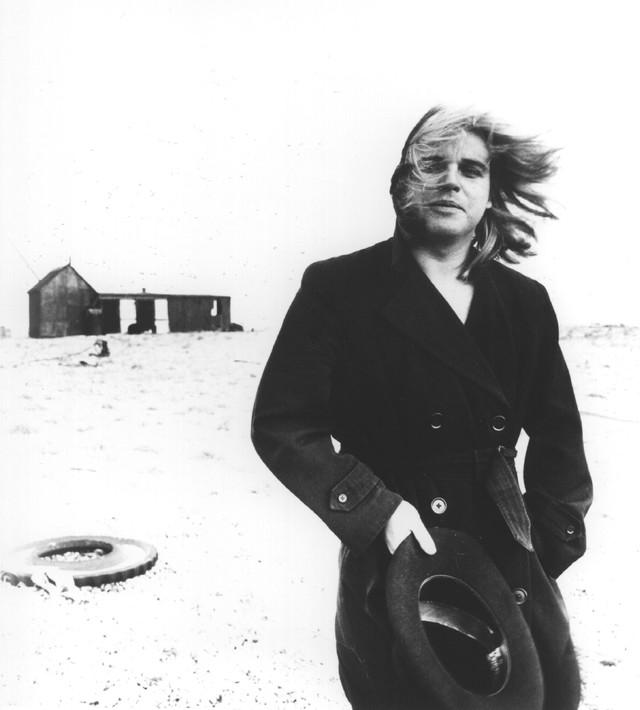
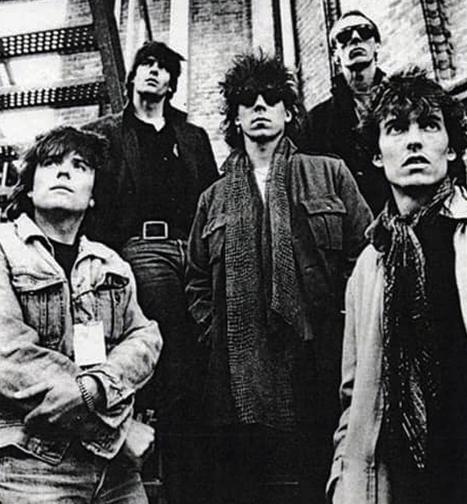
Nikki Sudden’s Spotify BioAfter the post-punk band Swell Maps dissolved in the early '80s, lead singer Nikki Sudden began a diverse and restless solo career, during which he worked with a number of different bands and side projects. Sudden released his first solo record, Waiting on Egypt, in 1982, followed closely by The Bible Belt in 1983; both records recalled the music he made with Swell Maps. In 1984, Sudden formed the Jacobites with drummer Epic Soundtracks (his brother, who was also a member of Swell Maps) and guitarist/vocalist Dave Kusworth, who co-wrote the material with Sudden. The band developed a laid-back, wasted, romantic classic rock and pop style with acoustic guitars and a rolling rhythm section. The Jacobites released four albums and three EPs between 1984 and 1986, when Kusworth left the band. Sudden continued using the Jacobites' name, releasing Texas on the Creation label in 1986. During the late '80s, Sudden ditched the Jacobites moniker and began making music that strongly recalled early …Rolling Stones, including Texas and Dead Men Tell No Tales. While none of his albums ever attracted a large audience, Sudden remained a cult favorite throughout his career. High-profile guests began appearing on his albums: Wilco's Jeff Tweedy lent a hand on 1999's Red Brocade, and the Faces' keyboardist Ian McLagan played on the 2004 release Treasure Island. On March 26, 2006, Sudden passed away after a gig in New York City. He was working on a new album, The Truth Doesn't Matter, which was released in October. In the spring of 2011, Easy Action released Playing with Fire, a carefully curated compilation of unreleased songs recorded and left off his last two studio albums; the collection featured liner notes by Sudden's bassist and friend, John Barry. A box set that included his first two solo albums, two Jacobites offerings, Kiss You Kidnapped Charabanc with Rowland S. Howard, Texas and Dead Men Tell No Tales -- plus a re-press of Sudden's first solo single -- packaged in a deluxe slipcase, were released as a strictly limited, Black Friday exclusive in December of 2014. ~ Stephen Thomas Erlewine, Rovi
Viberate is a music analytics platform built for A&Rs, artist managers, labels, booking agents, marketers, and artists.
It helps music professionals track artist growth, analyze audience data, monitor playlist activity, compare artists, follow song performance, and identify opportunities across the music market.
Public artist pages provide a free preview of selected artist data. Paid plans provide access to deeper analytics, historical data, charts, comparisons, playlist tools, exports, alerts, reports, and additional professional features.
Yes. Public Viberate artist pages provide selected artist analytics and music data for free.
Viberate also offers a 7-day free trial of the full platform. A credit card is required to start the trial. The trial includes access to the complete product so users can test deeper artist analytics, historical views, playlist insights, comparisons, charts, exports, alerts, and reporting features before choosing a paid plan.
Viberate provides artist analytics across streaming, playlists, social media, video, radio airplay, songs, and audience markets.
Users can analyze Spotify performance, Spotify and Apple Music playlists, YouTube activity, TikTok and Instagram growth, radio spins, song performance, audience locations, demographics, rankings, and overall artist momentum.
Artist profiles also connect to music charts, similar artists, and comparison tools, helping users benchmark performance and evaluate artists in context.
Viberate updates key artist and track data daily.
For followed artists and tracks, selected data is refreshed multiple times per day. This helps teams monitor playlist changes, streaming movement, audience growth, releases, and campaign performance with more current data.
Update frequency can vary depending on the metric and data source.
Yes. Viberate lets users compare up to five artists side by side across streaming, social media, audience, and engagement metrics.
Users can compare fanbase growth, audience demographics, locations, Spotify performance, social metrics, and other artist data over selected time periods.
Artist comparison can be used for A&R scouting, benchmarking, booking decisions, campaign planning, and evaluating artists with similar audiences or market positions.