Gene Ammons

Jazz
Bebop
Smooth Jazz
 Viberate Rank: 53845
 Viberate Rank: 53845
 Monthly ListenersFollowers
 Subscribers
 Followers
 Followers
 FansTop Spotify Songs
| Track | 7-Day Streams | |
|---|---|---|
1 | 274.89K | |
2 | 67.73K | |
3 | 31.91K | |
4 | 27.60K | |
5 | 17.57K |
Top YouTube VideosMonthly ListenersFeatured in Playlists| Playlist | Followers | |
|---|---|---|
1 |  Jazz Classics Spotify | 5.08M |
2 |  Coffee Table Jazz Spotify | 2.67M |
3 |  Jazz Noir Spotify | 349.57K |
4 |  Cozy Coffee Shop ☕ Jazz in the Background Cozy Coffee Shop | 343.78K |
5 |  Dark Academia Jazz Spotify | 282.77K |
Audience| City | Monthly Listeners | |
|---|---|---|
1 |  | 13.04K |
2 | | 12.08K |
3 | | 10.19K |
4 |  | 10.00K |
5 | | 8.06K |
See full performance history, audience data, playlist activity, rankings, comparisons, and more in Viberate music analytics. Start with a free trial, then continue with a paid plan.
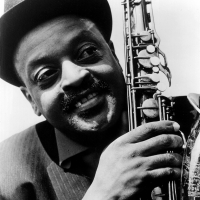
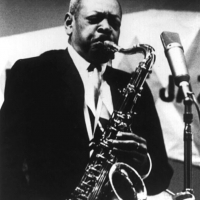
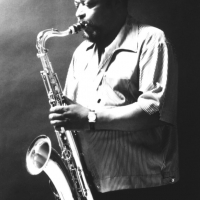
Gene Ammons’ Spotify BioGene Ammons, who had a huge and immediately recognizable tone on tenor, was a very flexible player who could play bebop with the best (always battling his friend Sonny Stitt to a tie) yet was an influence on the R&B world. Some of his ballad renditions became hits and, despite two unfortunate interruptions in his career, Ammons remained a popular attraction for 25 years.
Son of the great boogie-woogie pianist Albert Ammons, Gene Ammons (who was nicknamed "Jug") left Chicago at age 18 to work with King Kolax's band. He originally came to fame as a key soloist with Billy Eckstine's orchestra during 1944-1947, trading off with Dexter Gordon on the famous Eckstine record Blowing the Blues Away. Other than a notable stint with Woody Herman's Third Herd in 1949 and an attempt at co-leading a two tenor group in the early '50s with Sonny Stitt, Ammons worked as a single throughout his career, recording frequently (most notably for Prestige) in settings ranging from quartets and organ combos to… all-star jam sessions. Drug problems kept him in prison during much of 1958-1960 and, due to a particularly stiff sentence, 1962-1969. When Ammons returned to the scene in 1969, he opened up his style a bit, including some of the emotional cries of the avant-garde while utilizing funky rhythm sections, but he was still able to battle Sonny Stitt on his own terms. Ironically the last song that he ever recorded (just a short time before he was diagnosed with terminal cancer) was "Goodbye." ~ Scott Yanow
Viberate is a music analytics platform built for A&Rs, artist managers, labels, booking agents, marketers, and artists.
It helps music professionals track artist growth, analyze audience data, monitor playlist activity, compare artists, follow song performance, and identify opportunities across the music market.
Public artist pages provide a free preview of selected artist data. Paid plans provide access to deeper analytics, historical data, charts, comparisons, playlist tools, exports, alerts, reports, and additional professional features.
Yes. Public Viberate artist pages provide selected artist analytics and music data for free.
Viberate also offers a 7-day free trial of the full platform. A credit card is required to start the trial. The trial includes access to the complete product so users can test deeper artist analytics, historical views, playlist insights, comparisons, charts, exports, alerts, and reporting features before choosing a paid plan.
Viberate provides artist analytics across streaming, playlists, social media, video, radio airplay, songs, and audience markets.
Users can analyze Spotify performance, Spotify and Apple Music playlists, YouTube activity, TikTok and Instagram growth, radio spins, song performance, audience locations, demographics, rankings, and overall artist momentum.
Artist profiles also connect to music charts, similar artists, and comparison tools, helping users benchmark performance and evaluate artists in context.
Viberate updates key artist and track data daily.
For followed artists and tracks, selected data is refreshed multiple times per day. This helps teams monitor playlist changes, streaming movement, audience growth, releases, and campaign performance with more current data.
Update frequency can vary depending on the metric and data source.
Yes. Viberate lets users compare up to five artists side by side across streaming, social media, audience, and engagement metrics.
Users can compare fanbase growth, audience demographics, locations, Spotify performance, social metrics, and other artist data over selected time periods.
Artist comparison can be used for A&R scouting, benchmarking, booking decisions, campaign planning, and evaluating artists with similar audiences or market positions.