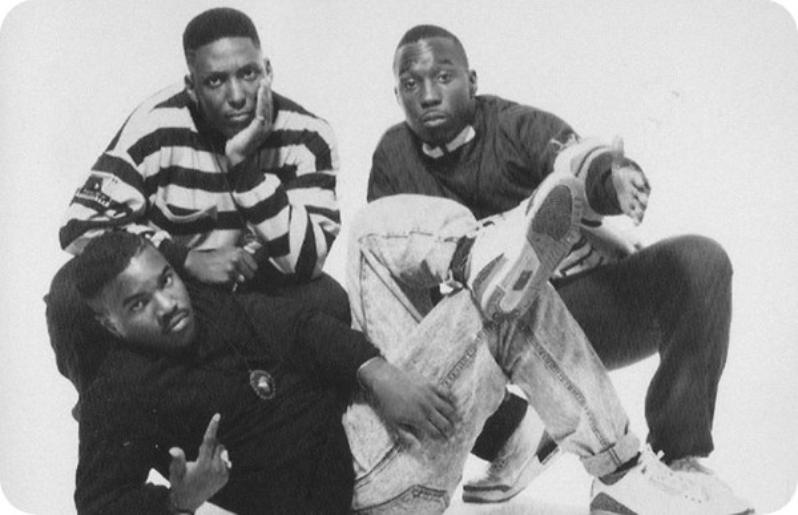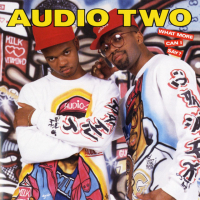
Audio Two

Hip Hop
Contemporary Hip Hop
Alternative Hip Hop
 Viberate Rank: 150420
 Viberate Rank: 150420
 Monthly ListenersFollowers
 Subscribers
 Followers
 Followers
 FansTop Spotify Songs
| Track | 7-Day Streams | |
|---|---|---|
1 | 12.31K | |
2 | 1.83K | |
3 | 321 | |
4 | 174 | |
5 | 147 |
Top YouTube VideosMonthly ListenersFeatured in Playlists| Playlist | Followers | |
|---|---|---|
1 |  I Love My '80s Hip-Hop Spotify | 459.54K |
2 | Hip Hop I Grew Up On Mike Shinoda | 73.44K |
3 |  Best Hip-Hop of all time Jonas de la Chaux | 55.26K |
4 |  90's Rap Instrumentals Sepehr Aman | 50.23K |
5 |  90'S UNDERGROUND HIP-HOP Bryan Nuñez | 37.41K |
Audience| City | Monthly Listeners | |
|---|---|---|
1 | | 1.12K |
2 | | 854 |
3 | | 707 |
4 | | 706 |
5 | | 487 |
See full performance history, audience data, playlist activity, rankings, comparisons, and more in Viberate music analytics. Start with a free trial, then continue with a paid plan.
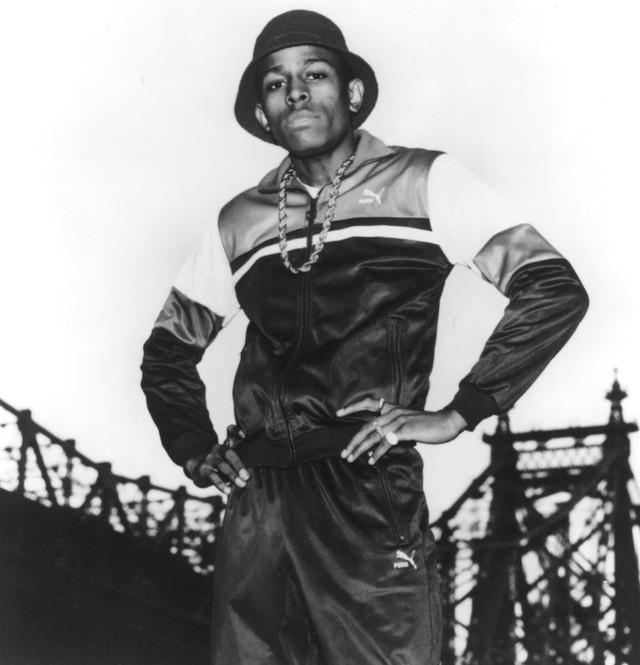
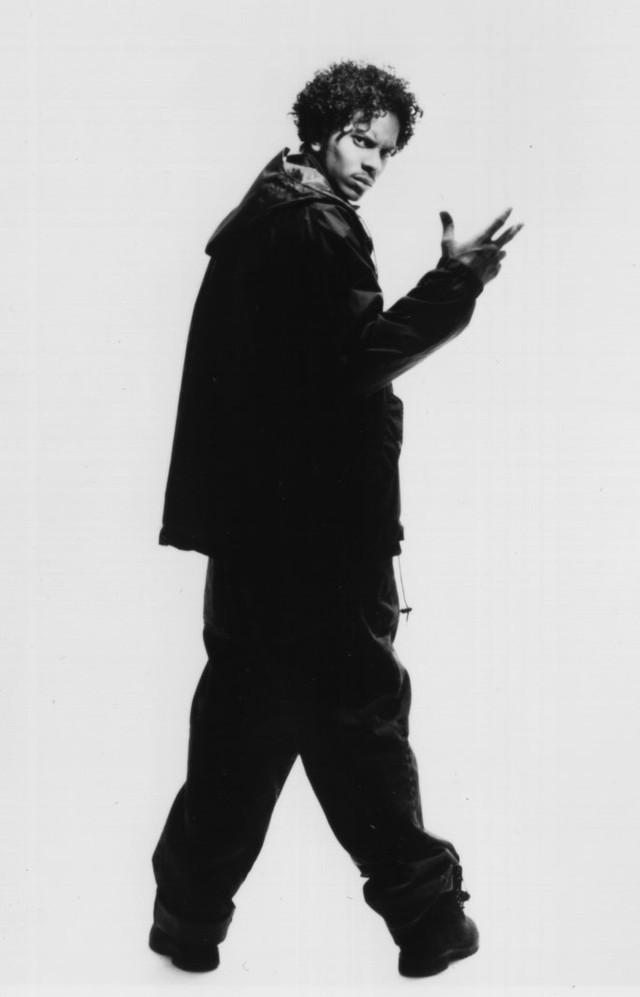
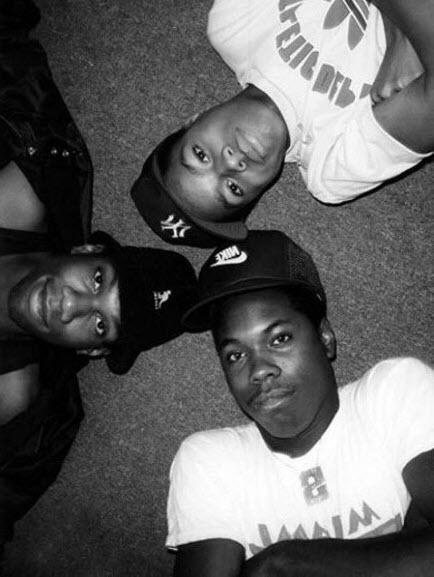
Audio Two’s Spotify BioAs Audio Two, Brooklyn-based brothers and former Awesome Foursome members Gizmo Dee (Nat Robinson) and Milk Dee (Kirk Robinson) broke out with "Top Billin'," the B-side of "Make It Funky," their debut single. Produced by Daddy O of Stetsasonic, "Top Billin'" became a hip-hop classic, and was sampled, referenced, and even covered following its 1987 release. Issued on Robinson family operation First Priority, the track led to a distribution deal with Atlantic. Through that major label, Audio Two, who had also attained clout as the producers credited on early MC Lyte singles like "I Cram 2 Understand U (Sam)" and "10% Dis," released a pair of albums. What More Can I Say? (1988) cracked the Billboard 200. I Don't Care: The Album (1990) wasn't nearly as successful, marred by some viciously homophobic rhymes; Atlantic head Ahmet Ertegun said he wouldn't have released the objectionable material if he had heard it prior to release. A third Audio Two album, First Dead Indian, was recorded but… shelved, and the duo subsequently split. Milk released a 1994 EP on Rick Rubin's American Recordings and was behind Eamon's Top 20 pop hit "Fuck It (I Don't Want You Back)" the following decade. Gizmo, often credited as "You Can Ask" Giz, went on to mix and engineer dozens of recordings by the likes of Jaheim, Tyrese, and Faith Evans. ~ Andy Kellman, Rovi
Viberate is a music analytics platform built for A&Rs, artist managers, labels, booking agents, marketers, and artists.
It helps music professionals track artist growth, analyze audience data, monitor playlist activity, compare artists, follow song performance, and identify opportunities across the music market.
Public artist pages provide a free preview of selected artist data. Paid plans provide access to deeper analytics, historical data, charts, comparisons, playlist tools, exports, alerts, reports, and additional professional features.
Yes. Public Viberate artist pages provide selected artist analytics and music data for free.
Viberate also offers a 7-day free trial of the full platform. A credit card is required to start the trial. The trial includes access to the complete product so users can test deeper artist analytics, historical views, playlist insights, comparisons, charts, exports, alerts, and reporting features before choosing a paid plan.
Viberate provides artist analytics across streaming, playlists, social media, video, radio airplay, songs, and audience markets.
Users can analyze Spotify performance, Spotify and Apple Music playlists, YouTube activity, TikTok and Instagram growth, radio spins, song performance, audience locations, demographics, rankings, and overall artist momentum.
Artist profiles also connect to music charts, similar artists, and comparison tools, helping users benchmark performance and evaluate artists in context.
Viberate updates key artist and track data daily.
For followed artists and tracks, selected data is refreshed multiple times per day. This helps teams monitor playlist changes, streaming movement, audience growth, releases, and campaign performance with more current data.
Update frequency can vary depending on the metric and data source.
Yes. Viberate lets users compare up to five artists side by side across streaming, social media, audience, and engagement metrics.
Users can compare fanbase growth, audience demographics, locations, Spotify performance, social metrics, and other artist data over selected time periods.
Artist comparison can be used for A&R scouting, benchmarking, booking decisions, campaign planning, and evaluating artists with similar audiences or market positions.