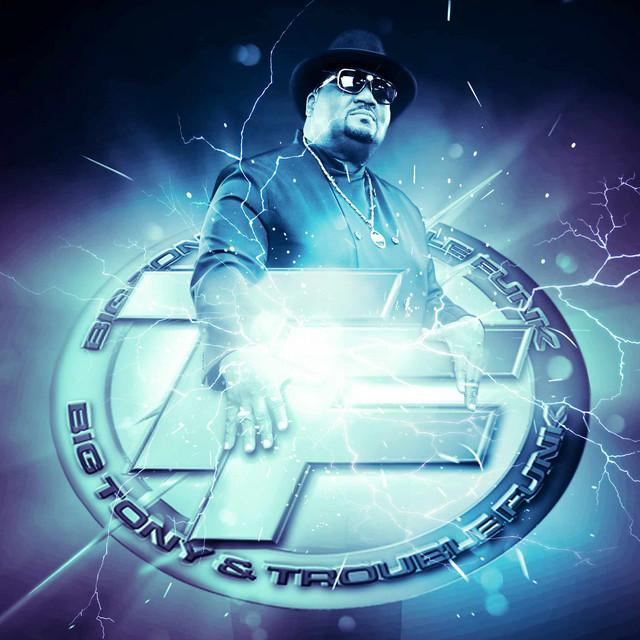
Trouble Funk

R&B
Funk
 Viberate Rank: 150660
 Viberate Rank: 150660
 Monthly ListenersFollowers
 Subscribers
 Followers
 Followers
 FansTop Spotify Songs
| Track | 7-Day Streams | |
|---|---|---|
1 | 3.19K | |
2 | 693 | |
3 | 416 | |
4 | 285 | |
5 | 263 |
Top YouTube VideosMonthly ListenersFeatured in Playlists| Playlist | Followers | |
|---|---|---|
1 |  ALL TIME CLASSICS | | My Forever Favorites Damian Habraken | 57.86K |
2 | Matt Lowden | 57.53K |
3 |  Vice City Soundtrack Lars Noorman | 30.98K |
4 | Grand Theft Auto: Vice City Carl Bodenham | 30.86K |
5 |  NPR All Songs Considered - The Bob Boilen years (unofficial) Fri Tsch | 30.02K |
Audience| City | Monthly Listeners | |
|---|---|---|
1 | | 700 |
2 | | 289 |
3 |  | 259 |
4 | | 213 |
5 | | 176 |
See full performance history, audience data, playlist activity, rankings, comparisons, and more in Viberate music analytics. Start with a free trial, then continue with a paid plan.
Trouble Funk’s Spotify BioMiles off the radar of popular music during the early '80s, Trouble Funk energized their D.C. home with the sound of go-go music, an uproarious blend of swinging, up-tempo '70s funk and a '60s-style horn section. The band formed in 1978, and the lineup coalesced around drummer Emmet Nixon, percussionists Mack Carey and Timothius Davis, guitarist Chester Davis, bassist Tony Fisher, trombone players Gerald and Robert Reed, trumpeter Taylor Reed, keyboard player James Avery, and saxophonist David Rudd. Trouble Funk earned a loyal fan base for their notoriously can't-miss live act, a raw, party friendly version of dance and funk with few songs but plenty of extensive jams organized around audience-friendly vocal tags and call-out hooks.
The first go-go record released outside of D.C., Trouble Funk's 1982 debut Drop the Bomb appeared on Sugar Hill, the same label then championing early hip-hop. (The two styles had very similar origins, in the breakbeat culture of urban block parties.) Though… the band's second album, In Times of Trouble, appeared only on the local label D.E.T.T., Trouble Funk earned national distribution with a prescient concert record, 1985's Saturday Night (Live from Washington, D.C.), released through Island. After taking the live act nationwide and even worldwide (they played the 1986 Montreux Jazz Festival), Trouble Funk returned in 1987 with the boundary breaking Trouble Over Here, Trouble Over There, featuring sympathetic heads like Bootsy Collins and Kurtis Blow. It was a bit of a stylistic misstep, however, and Island released the group from its contract. Undeterred, Trouble Funk kept on grooving around the city, playing often, even into the '90s, for nostalgic party goers as well as the musically curious. ~ John Bush, Rovi
Viberate is a music analytics platform built for A&Rs, artist managers, labels, booking agents, marketers, and artists.
It helps music professionals track artist growth, analyze audience data, monitor playlist activity, compare artists, follow song performance, and identify opportunities across the music market.
Public artist pages provide a free preview of selected artist data. Paid plans provide access to deeper analytics, historical data, charts, comparisons, playlist tools, exports, alerts, reports, and additional professional features.
Yes. Public Viberate artist pages provide selected artist analytics and music data for free.
Viberate also offers a 7-day free trial of the full platform. A credit card is required to start the trial. The trial includes access to the complete product so users can test deeper artist analytics, historical views, playlist insights, comparisons, charts, exports, alerts, and reporting features before choosing a paid plan.
Viberate provides artist analytics across streaming, playlists, social media, video, radio airplay, songs, and audience markets.
Users can analyze Spotify performance, Spotify and Apple Music playlists, YouTube activity, TikTok and Instagram growth, radio spins, song performance, audience locations, demographics, rankings, and overall artist momentum.
Artist profiles also connect to music charts, similar artists, and comparison tools, helping users benchmark performance and evaluate artists in context.
Viberate updates key artist and track data daily.
For followed artists and tracks, selected data is refreshed multiple times per day. This helps teams monitor playlist changes, streaming movement, audience growth, releases, and campaign performance with more current data.
Update frequency can vary depending on the metric and data source.
Yes. Viberate lets users compare up to five artists side by side across streaming, social media, audience, and engagement metrics.
Users can compare fanbase growth, audience demographics, locations, Spotify performance, social metrics, and other artist data over selected time periods.
Artist comparison can be used for A&R scouting, benchmarking, booking decisions, campaign planning, and evaluating artists with similar audiences or market positions.