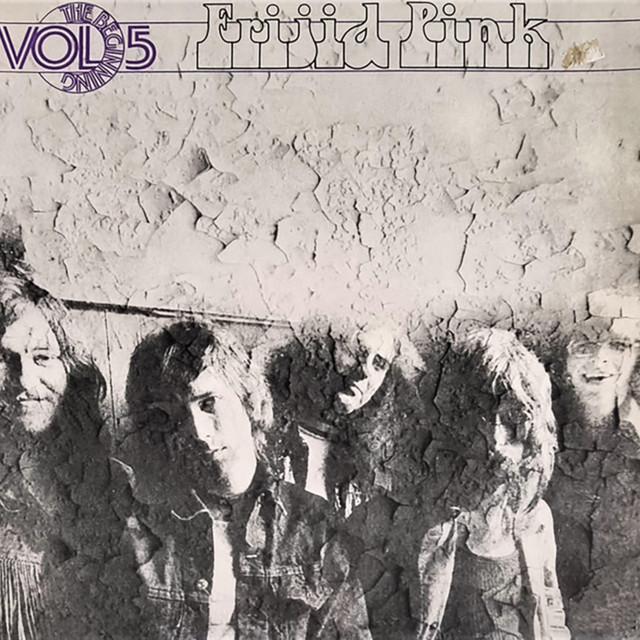
Frijid Pink

Rock
Psychedelic Rock
Blues Rock
Hard Rock
 Viberate Rank: 125086
 Viberate Rank: 125086
 Monthly ListenersFollowers
 Subscribers
 Followers
 Followers
 FansTop Spotify Songs
| Track | 7-Day Streams | |
|---|---|---|
1 | 5.59K | |
2 | 3.23K | |
3 | 1.77K | |
4 | 1.02K | |
5 | 1.02K |
Top YouTube VideosMonthly ListenersFeatured in Playlists| Playlist | Followers | |
|---|---|---|
1 | Per Melin | 22.46K |
2 | Best of 70er Dj_doerry | 14.20K |
3 |  70s Proto-Metal, Heavy Psych & Obscure Hard Rock Jordan Edrei | 11.27K |
4 |  SWR1-Hitparade Top 1000 1121732170 | 10.69K |
5 | 1970 - Billboard Top 100 Songs Inge Nordén | 10.04K |
Audience| City | Monthly Listeners | |
|---|---|---|
1 |  | 390 |
2 |  | 310 |
3 | | 287 |
4 | | 285 |
5 |  | 269 |
See full performance history, audience data, playlist activity, rankings, comparisons, and more in Viberate music analytics. Start with a free trial, then continue with a paid plan.
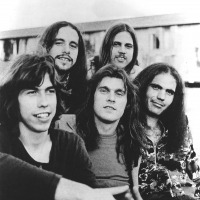
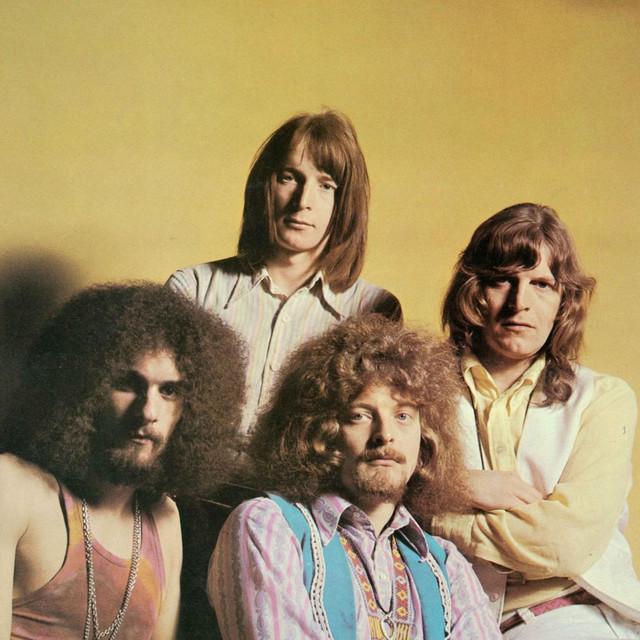
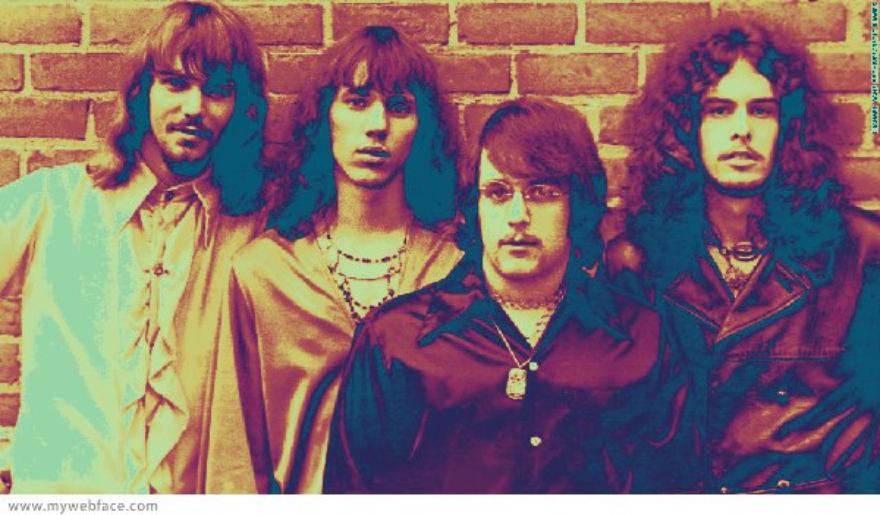
Frijid Pink’s Spotify BioDetroit band Frijid Pink carried the same hard rock power of better-known national bands of their time, bringing Blue Cheer levels of fuzz and the swagger of the Stones to their early-'70s output. The band had a minor hit with their overdriven rendition of "House of the Rising Sun," and they remained steadily active throughout the first half of the '70s creating psychedelic documents like 1970's Defrosted and 1972's Earth Omen before entering a period of dormancy in 1975. Multiple attempts at reviving Frijid Pink with various new lineups transpired over the years, with the band coming back in the early 2000s as a studio entity more than a live act. New material like a 2011 self-titled album and 2018's On the Edge existed alongside archival collections like 2023's The Deram Recordings 1970-1971, which remastered the band's first two albums and unearthed early bonus tracks.
Frijid Pink formed in 1967, originally comprised of singer Thomas Beaudry (stage name Kelly Green), guitarist Gary… Ray Thompson, bassist Tom Harris, keyboardist Larry Zelanka, and drummer Richard Stevers. After two years of relentless touring throughout the southeast Michigan area, the group -- substituting Harris with Beaudry on bass -- signed with the Parrot label in 1969. Although their first two singles, "Tell Me Why" and "Drivin' Blues," failed to attract much attention, their third effort for the company -- a distorted, guitar-heavy interpretation of "The House of the Rising Sun" -- reached the Top Ten on the U.S. pop charts, becoming an even bigger hit overseas. Frijid Pink's self-titled debut LP followed in 1970, as did the follow-up Defrosted, and the band played around Michigan frequently, often sharing bills with contemporaries like the Stooges and the Amboy Dukes. Lineup changes would become a persistent issue, and different iterations of the band performed on 1972's Earth Omen and 1974's All Pink Inside. Shortly after the release of All Pink Inside, the band became inactive, with short-lived attempts at regrouping and unused studio recordings happening intermittently in the '80s and early 2000s. Led by Stevers, a new lineup of the band finally gelled in 2006, and this version of Frijid Pink produced an eponymous full-length in 2011. Shortly after the release of the album, however, the band reshuffled its membership once more, and new players were enlisted to work on subsequent releases like 2014 album Made in Detroit and 2018's On the Edge.
In 2023, Cherry Red Records released The Deram Recordings 1970-1971. The collection included remastered versions of the band's 1970 debut and sophomore album Defrosted, as well as various non-album singles from the same era. ~ Fred Thomas, Rovi
Viberate is a music analytics platform built for A&Rs, artist managers, labels, booking agents, marketers, and artists.
It helps music professionals track artist growth, analyze audience data, monitor playlist activity, compare artists, follow song performance, and identify opportunities across the music market.
Public artist pages provide a free preview of selected artist data. Paid plans provide access to deeper analytics, historical data, charts, comparisons, playlist tools, exports, alerts, reports, and additional professional features.
Yes. Public Viberate artist pages provide selected artist analytics and music data for free.
Viberate also offers a 7-day free trial of the full platform. A credit card is required to start the trial. The trial includes access to the complete product so users can test deeper artist analytics, historical views, playlist insights, comparisons, charts, exports, alerts, and reporting features before choosing a paid plan.
Viberate provides artist analytics across streaming, playlists, social media, video, radio airplay, songs, and audience markets.
Users can analyze Spotify performance, Spotify and Apple Music playlists, YouTube activity, TikTok and Instagram growth, radio spins, song performance, audience locations, demographics, rankings, and overall artist momentum.
Artist profiles also connect to music charts, similar artists, and comparison tools, helping users benchmark performance and evaluate artists in context.
Viberate updates key artist and track data daily.
For followed artists and tracks, selected data is refreshed multiple times per day. This helps teams monitor playlist changes, streaming movement, audience growth, releases, and campaign performance with more current data.
Update frequency can vary depending on the metric and data source.
Yes. Viberate lets users compare up to five artists side by side across streaming, social media, audience, and engagement metrics.
Users can compare fanbase growth, audience demographics, locations, Spotify performance, social metrics, and other artist data over selected time periods.
Artist comparison can be used for A&R scouting, benchmarking, booking decisions, campaign planning, and evaluating artists with similar audiences or market positions.