Crow

Rock
Alternative Rock
 Viberate Rank: 240908
 Viberate Rank: 240908
 Monthly ListenersFollowers
 Subscribers
 Followers
 Followers
 FansTop Spotify Songs
| Track | 7-Day Streams | |
|---|---|---|
1 | 1.63K | |
2 | 1.25K | |
3 | 551 | |
4 | 415 | |
5 | 410 |
Top YouTube VideosMonthly ListenersFeatured in Playlists| Playlist | Followers | |
|---|---|---|
1 |  Green Room Joe Rogan | 123.80K |
2 | 🇨🇴 RAP COLOMBIANO 🇨🇴 @sebasve1ez | 31.31K |
3 |  70s Proto-Metal, Heavy Psych & Obscure Hard Rock Jordan Edrei | 11.27K |
4 | Originals that are less Famous than the Cover Versions Auke Riemersma | 10.67K |
5 |  Keeping The Blues Alive Joe Bonamassa | 10.34K |
Audience| City | Monthly Listeners | |
|---|---|---|
1 |  | 319 |
2 | | 85 |
3 | | 67 |
4 |  | 36 |
5 |  | 30 |
See full performance history, audience data, playlist activity, rankings, comparisons, and more in Viberate music analytics. Start with a free trial, then continue with a paid plan.
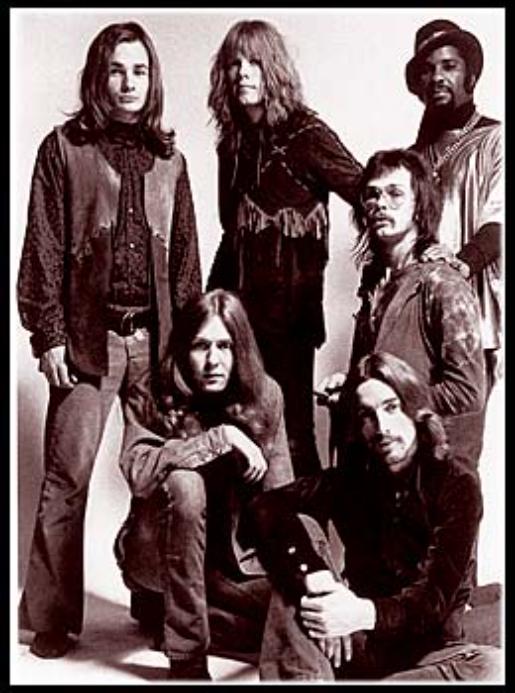
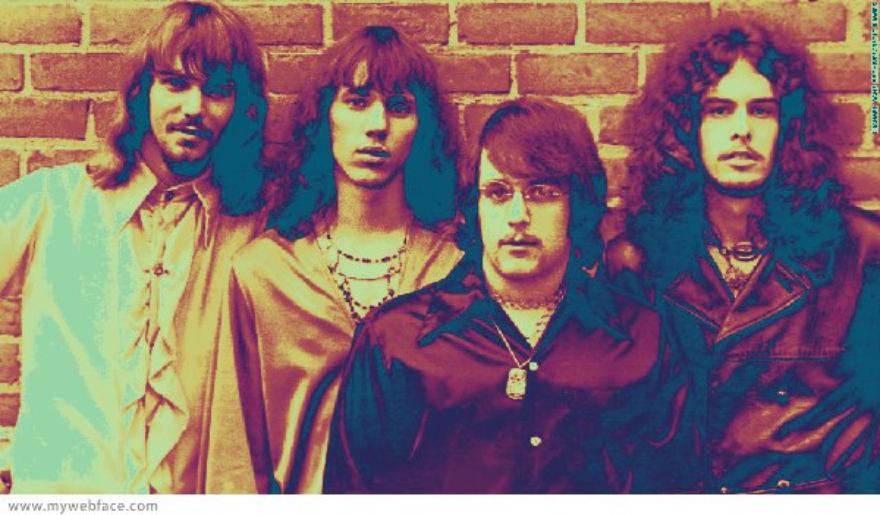
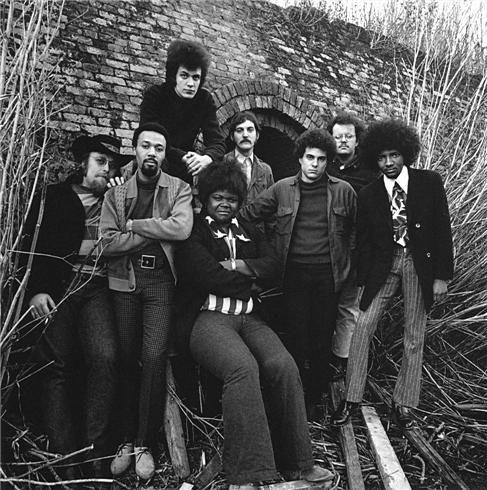
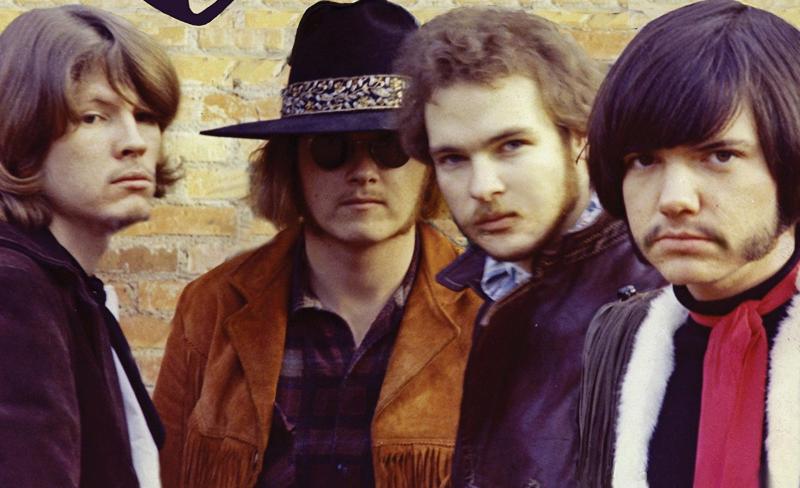
Crow’s Spotify BioMinneapolis blues-rock quintet Crow was formed in 1967 by frontman Dave Wagner, guitarist Dick Weigand, his bassist brother Larry, and keyboardist Kink Middlemist. Originally dubbed South 40, they added former Castaways drummer Denny Craswell to the lineup prior to recording their 1969 debut LP, Crow Music, for the Amaret label; the single "Evil Woman (Don't You Play Your Games with Me)" cracked the U.S. Top 20, even though its distinctive horn arrangement was overdubbed against the band's wishes. Crow by Crow followed in 1970, although the single "Cottage Cheese" failed to attract much attention. In the wake of 1971's Mosaic, Crow disbanded, although Wagner resurfaced in 1973 with a solo LP, David Wagner D/B/A Crow. ~ Jason Ankeny, Rovi
Viberate is a music analytics platform built for A&Rs, artist managers, labels, booking agents, marketers, and artists.
It helps music professionals track artist growth, analyze audience data, monitor playlist activity, compare artists, follow song performance, and identify opportunities across the music market.
Public artist pages provide a free preview of selected artist data. Paid plans provide access to deeper analytics, historical data, charts, comparisons, playlist tools, exports, alerts, reports, and additional professional features.
Yes. Public Viberate artist pages provide selected artist analytics and music data for free.
Viberate also offers a 7-day free trial of the full platform. A credit card is required to start the trial. The trial includes access to the complete product so users can test deeper artist analytics, historical views, playlist insights, comparisons, charts, exports, alerts, and reporting features before choosing a paid plan.
Viberate provides artist analytics across streaming, playlists, social media, video, radio airplay, songs, and audience markets.
Users can analyze Spotify performance, Spotify and Apple Music playlists, YouTube activity, TikTok and Instagram growth, radio spins, song performance, audience locations, demographics, rankings, and overall artist momentum.
Artist profiles also connect to music charts, similar artists, and comparison tools, helping users benchmark performance and evaluate artists in context.
Viberate updates key artist and track data daily.
For followed artists and tracks, selected data is refreshed multiple times per day. This helps teams monitor playlist changes, streaming movement, audience growth, releases, and campaign performance with more current data.
Update frequency can vary depending on the metric and data source.
Yes. Viberate lets users compare up to five artists side by side across streaming, social media, audience, and engagement metrics.
Users can compare fanbase growth, audience demographics, locations, Spotify performance, social metrics, and other artist data over selected time periods.
Artist comparison can be used for A&R scouting, benchmarking, booking decisions, campaign planning, and evaluating artists with similar audiences or market positions.