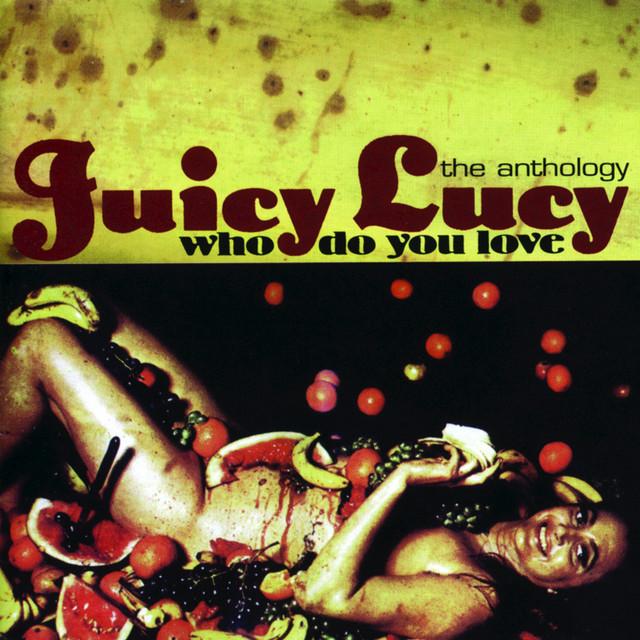
Juicy Lucy

Blues
Blues Rock
Hard Rock
Folk Rock
 Viberate Rank: 180565
 Viberate Rank: 180565
 Monthly ListenersFollowers
 Subscribers
 Followers
 Followers
 FansTop Spotify Songs
| Track | 7-Day Streams | |
|---|---|---|
1 | 3.37K | |
2 | 611 | |
3 | 320 | |
4 | 250 | |
5 | 201 |
Top YouTube VideosMonthly ListenersFeatured in Playlists| Playlist | Followers | |
|---|---|---|
1 | Lee Moore | 16.03K |
2 |  70s Proto-Metal, Heavy Psych & Obscure Hard Rock Jordan Edrei | 11.27K |
3 |  In Rotation Maggie Rogers | 9.23K |
4 | 60s & 70s Hard Rock / Heavy Metal Walrus | 7.34K |
5 |  Deep Cuts, Forgotten Gems & Classic Rock Gold Rick Kirby - music nerd | 5.63K |
Audience| City | Monthly Listeners | |
|---|---|---|
1 | | 261 |
2 |  | 159 |
3 | | 146 |
4 | | 104 |
5 |  | 95 |
See full performance history, audience data, playlist activity, rankings, comparisons, and more in Viberate music analytics. Start with a free trial, then continue with a paid plan.
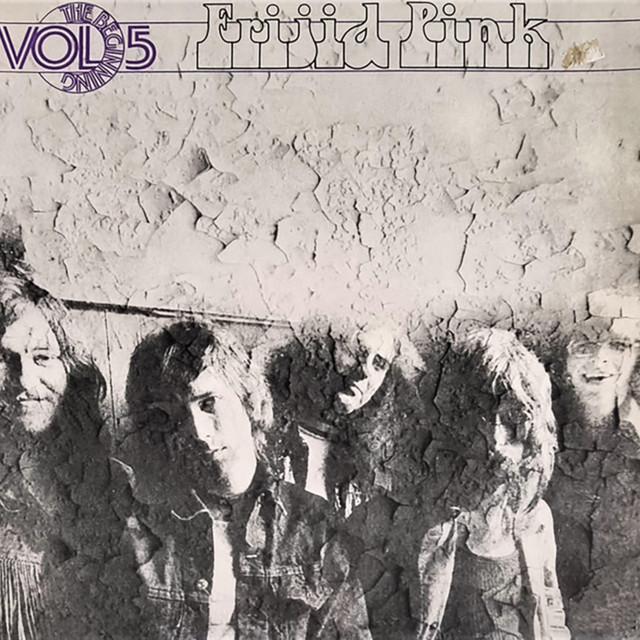
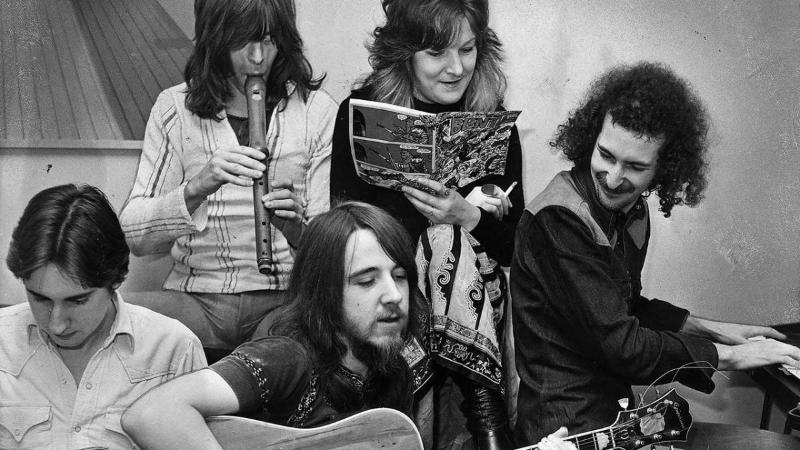
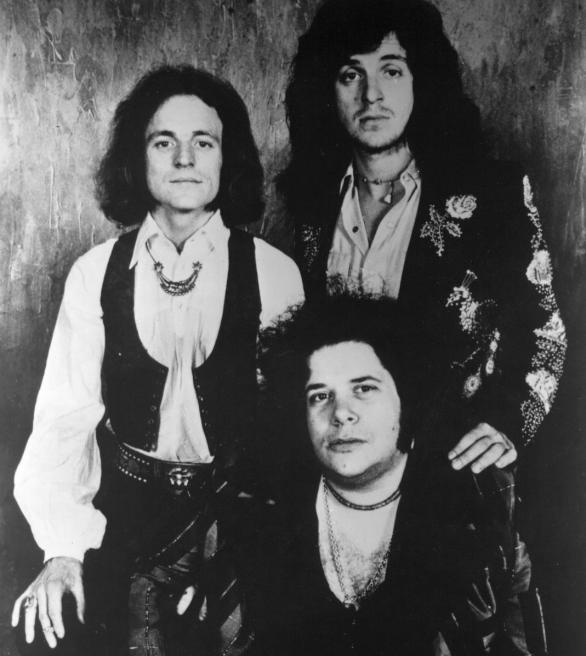
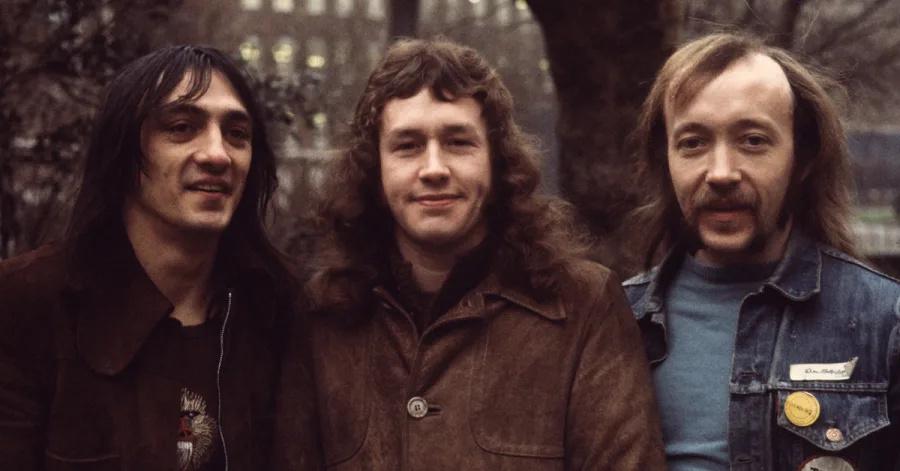
Juicy Lucy’s Spotify BioSaucy blues-rockers Juicy Lucy formed in 1969 from the ashes of cult favorite garage band the Misunderstood, reuniting vocalist Ray Owen, steel guitarist Glenn "Ross" Campbell, and keyboardist Chris Mercer, with the additions of guitarist Neil Hubbard, bassist Keith Ellis, and drummer Pete Dobson. The group immediately notched a U.K. Top 20 hit with their reading of the Bo Diddley perennial "Who Do You Love," with their self-titled debut LP falling just shy of the Top 40. Ex-Zoot Money singer Paul Williams, guitarist Mick Moody, and drummer Rod Coombes replaced Owen (who exited for a solo career), Hubbard, and Dobson for 1970's Lie Back and Enjoy It, with bassist Jim Leverton assuming Ellis' duties for the follow-up, 1971's Get a Whiff a This. The constant turnover clearly took its toll on the group both creatively and commercially, with co-founders Campbell and Mercer both exiting prior to the fourth Juicy Lucy album, 1972's Pieces, which was recorded by a makeshift lineup of… Williams, Moody, keyboardist Jean Roussel, and the former Blodwyn Pig rhythm section of bassist Andy Pyle and drummer Ron Berg. Juicy Lucy disbanded shortly thereafter. Ray Owen revived the name in 1995 for the album Here She Comes Again, which found Mike Jarvis (guitar), Andy Doughty (bass), and Spencer Blackledge (drums) rounding out the band. A couple of years later, this version of the band broke up, but Owen wanted to keep on going, especially when he formed a musical partnership with a guitarist known as Mr. Fish. Legal problems kept the new band from using the Juicy Lucy name so they gigged as Ray Owen's Moon. By 2004, bassist Fudge and drummer Fletch had joined up and the legal issue was settled. The new Juicy Lucy spent 2006 working on a new album and touring the U.K. with Nazareth. Ray Owen died on October 31, 2018. ~ Jason Ankeny, Rovi
Viberate is a music analytics platform built for A&Rs, artist managers, labels, booking agents, marketers, and artists.
It helps music professionals track artist growth, analyze audience data, monitor playlist activity, compare artists, follow song performance, and identify opportunities across the music market.
Public artist pages provide a free preview of selected artist data. Paid plans provide access to deeper analytics, historical data, charts, comparisons, playlist tools, exports, alerts, reports, and additional professional features.
Yes. Public Viberate artist pages provide selected artist analytics and music data for free.
Viberate also offers a 7-day free trial of the full platform. A credit card is required to start the trial. The trial includes access to the complete product so users can test deeper artist analytics, historical views, playlist insights, comparisons, charts, exports, alerts, and reporting features before choosing a paid plan.
Viberate provides artist analytics across streaming, playlists, social media, video, radio airplay, songs, and audience markets.
Users can analyze Spotify performance, Spotify and Apple Music playlists, YouTube activity, TikTok and Instagram growth, radio spins, song performance, audience locations, demographics, rankings, and overall artist momentum.
Artist profiles also connect to music charts, similar artists, and comparison tools, helping users benchmark performance and evaluate artists in context.
Viberate updates key artist and track data daily.
For followed artists and tracks, selected data is refreshed multiple times per day. This helps teams monitor playlist changes, streaming movement, audience growth, releases, and campaign performance with more current data.
Update frequency can vary depending on the metric and data source.
Yes. Viberate lets users compare up to five artists side by side across streaming, social media, audience, and engagement metrics.
Users can compare fanbase growth, audience demographics, locations, Spotify performance, social metrics, and other artist data over selected time periods.
Artist comparison can be used for A&R scouting, benchmarking, booking decisions, campaign planning, and evaluating artists with similar audiences or market positions.