Blodwyn Pig

Blues
Blues Rock
 Viberate Rank: 154534
 Viberate Rank: 154534
 Monthly ListenersFollowers
 Subscribers
 Followers
 Followers
 FansTop Spotify Songs
| Track | 7-Day Streams | |
|---|---|---|
1 | 4.33K | |
2 | 4.33K | |
3 | 4.33K | |
4 | 2.93K | |
5 | 1.11K |
Top YouTube VideosMonthly ListenersFeatured in Playlists| Playlist | Followers | |
|---|---|---|
1 |  Almost Famous Soundtrack (In order of appearance) Francisca Rios | 86.80K |
2 |  70s Proto-Metal, Heavy Psych & Obscure Hard Rock Jordan Edrei | 11.27K |
3 | Riff Robert Hermansson | 7.89K |
4 |  Progressive Rock Hits Michael Wood | 6.88K |
5 |  i'm not the muse, i'm the somebody therealsophia | 6.04K |
Audience| City | Monthly Listeners | |
|---|---|---|
1 | | 441 |
2 |  | 368 |
3 | | 356 |
4 |  | 325 |
5 |  | 324 |
See full performance history, audience data, playlist activity, rankings, comparisons, and more in Viberate music analytics. Start with a free trial, then continue with a paid plan.
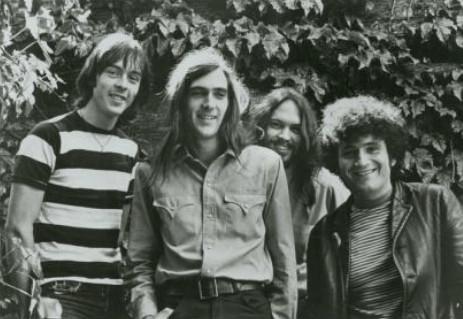
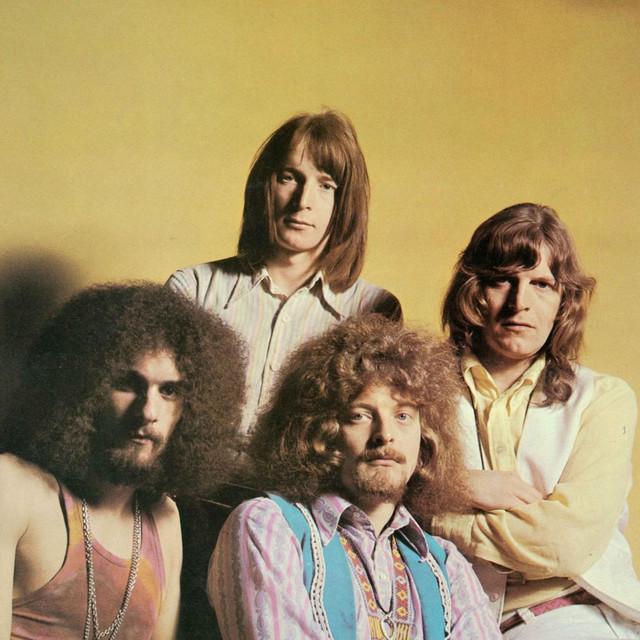
Blodwyn Pig’s Spotify BioA quirky detour of late-'60s British progressive/blues rock, Blodwyn Pig was founded by former Jethro Tull guitarist Mick Abrahams, who left Tull after the This Was album. Abrahams was joined by bassist Andy Pyle, drummer Ron Berg, and Jack Lancaster, who gave the outfit their most distinctive colorings via his saxophone and flute. On their two albums, they explored a jazz/blues/progressive style somewhat in the mold of (unsurprisingly) Jethro Tull, but with a lighter feel. They also bore some similarities to John Mayall's jazzy late-'60s versions of the Bluesbreakers, or perhaps Colosseum, but with more eclectic material. Both of their LPs made the British Top Ten, though the players' instrumental skills were handicapped by thin vocals and erratic (though oft-imaginative) material. The group were effectively finished by Abrahams' departure after 1970's Getting to This. They briefly reunited in the mid-'70s, and Abrahams was part of a different lineup that reformed in the late '80s;… they have since issued a couple of albums in the 1990s. ~ Richie Unterberger, Rovi
Viberate is a music analytics platform built for A&Rs, artist managers, labels, booking agents, marketers, and artists.
It helps music professionals track artist growth, analyze audience data, monitor playlist activity, compare artists, follow song performance, and identify opportunities across the music market.
Public artist pages provide a free preview of selected artist data. Paid plans provide access to deeper analytics, historical data, charts, comparisons, playlist tools, exports, alerts, reports, and additional professional features.
Yes. Public Viberate artist pages provide selected artist analytics and music data for free.
Viberate also offers a 7-day free trial of the full platform. A credit card is required to start the trial. The trial includes access to the complete product so users can test deeper artist analytics, historical views, playlist insights, comparisons, charts, exports, alerts, and reporting features before choosing a paid plan.
Viberate provides artist analytics across streaming, playlists, social media, video, radio airplay, songs, and audience markets.
Users can analyze Spotify performance, Spotify and Apple Music playlists, YouTube activity, TikTok and Instagram growth, radio spins, song performance, audience locations, demographics, rankings, and overall artist momentum.
Artist profiles also connect to music charts, similar artists, and comparison tools, helping users benchmark performance and evaluate artists in context.
Viberate updates key artist and track data daily.
For followed artists and tracks, selected data is refreshed multiple times per day. This helps teams monitor playlist changes, streaming movement, audience growth, releases, and campaign performance with more current data.
Update frequency can vary depending on the metric and data source.
Yes. Viberate lets users compare up to five artists side by side across streaming, social media, audience, and engagement metrics.
Users can compare fanbase growth, audience demographics, locations, Spotify performance, social metrics, and other artist data over selected time periods.
Artist comparison can be used for A&R scouting, benchmarking, booking decisions, campaign planning, and evaluating artists with similar audiences or market positions.