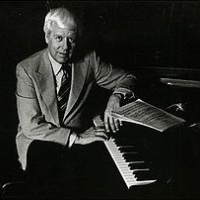
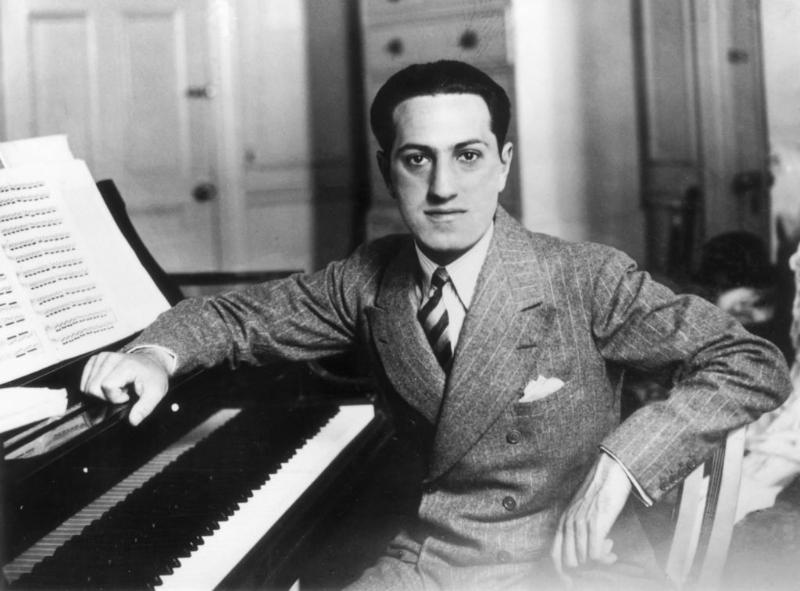
Frank Braley

Classical
Chamber Music
 Viberate Rank: 147260
 Viberate Rank: 147260
 Monthly ListenersFollowers
 Subscribers
 Followers
 Followers
 FansTop Spotify Songs
| Track | 7-Day Streams | |
|---|---|---|
1 | 29.18K | |
2 | 3.18K | |
3 | 2.56K | |
4 | 2.33K | |
5 | 1.54K |
Top YouTube Videos| Video | 7-Day Views | |
|---|---|---|
1 | 89 | |
2 | 33 | |
3 | 14 | |
4 | 9 |
Monthly ListenersFeatured in Playlists| Playlist | Followers | |
|---|---|---|
1 |  This Is Beethoven Spotify | 787.35K |
2 |  Classical Music For Studying & Focus Klassieke Muziek by Maestro Music | 326.34K |
3 |  Classical Study Music for Focus 🎻🎶 Prime Feelings | 191.80K |
4 |  Classical in the Background Spotify | 177.88K |
5 |  gut-wrenchingly beautiful pieces of classical music mileadiponzio | 151.83K |
Audience| City | Monthly Listeners | |
|---|---|---|
1 |  | 1.80K |
2 |  | 1.66K |
3 | | 1.47K |
4 | | 1.19K |
5 | | 1.08K |
See full performance history, audience data, playlist activity, rankings, comparisons, and more in Viberate music analytics. Start with a free trial, then continue with a paid plan.
Frank Braley’s Spotify BioPianist Frank Braley has fashioned a highly successful career as a soloist, recitalist, chamber music collaborator, and conductor. A gifted child who would go on to win the prestigious Queen Elizabeth Competition, Braley has performed with leading conductors, major orchestras, and soloists from around the world. In 2023, he and frequent partner Éric Le Sage teamed up to issue Le Ruban Dénoué: Valses.
Braley was born in Corbeil-Essonne, France, in 1968. He studied piano from age four; at 18 he enrolled at the Paris Conservatory, where he studied piano with Pascal Devoyon and Jacques Rouvier. In 1991, Braley won the prestigious Queen Elizabeth Competition, launching his highly successful career. To say the victory was unexpected would be an understatement: it was the 21-year-old Braley's first international competition. Thereafter, he regularly toured Europe, Asia, and the U.S. Among his most significant early recordings is a 1998 release of Richard Strauss' Op. 5 Sonata and other Strauss… piano works on Harmonia Mundi (reissued in 2008). In 2002, Braley debuted with the Boston Symphony Orchestra in a performance of the Mozart Piano Concerto No. 20 at the Tanglewood Festival with conductor Hans Graf. The following year, on September 18, he debuted at Carnegie Hall (Zankel Hall) with Pierre Boulez and the Ensemble InterContemporain.
Throughout his career, Braley has worked with many notable conductors, including Dutoit, Hogwood, Marriner, and Masur. His orchestral appearances include working with orchestras in Berlin, Paris, London, and Rotterdam. In chamber music, he's performed with such distinguished artists as violinist Renaud Capuçon, cellist Gautier Capuçon, and clarinetist Pascal Moraguès, among others. Braley has fearlessly lent his support to student performers, not necessarily a career-boosting strategy: in 2007, he toured several French cities, giving a series of concerts with the French Youth Orchestra under conductor Jean-Claude Casadesus. Braley's repertory is varied: while much of it includes a fair number of French works by Saint-Saëns, Ravel, and Poulenc, it also takes in a disparate range of compositions by Mozart, Schubert, and more.
In 2009, Braley issued a recording of Schumann piano works (Ballszenen and Kinderball, both for piano four-hands) with pianist Éric Le Sage. His 2010-2011 concert schedule included a tour of London, Singapore, Paris, and other French cities, with Renaud Capuçon performing the cycle of Beethoven's ten sonatas for violin and piano. From 2014 to 2021, Braley was the music director of the Orchestre Royal de Chambre de Wallonie, playing piano with and conducting the group. He has made numerous recordings for such labels as EMI, Harmonia Mundi, and RCA. In 2019, Braley recorded an album of Brahms' clarinet sonatas & trio with Moraguès and Christian Poltéra on the Indesens label. Braley once more teamed with Le Sage in 2023 for the Sony Classical album Le Ruban Dénoué: Valses; the pianists were joined by soprano Sandrine Piau. ~ Robert Cummings & Keith Finke, Rovi
Viberate is a music analytics platform built for A&Rs, artist managers, labels, booking agents, marketers, and artists.
It helps music professionals track artist growth, analyze audience data, monitor playlist activity, compare artists, follow song performance, and identify opportunities across the music market.
Public artist pages provide a free preview of selected artist data. Paid plans provide access to deeper analytics, historical data, charts, comparisons, playlist tools, exports, alerts, reports, and additional professional features.
Yes. Public Viberate artist pages provide selected artist analytics and music data for free.
Viberate also offers a 7-day free trial of the full platform. A credit card is required to start the trial. The trial includes access to the complete product so users can test deeper artist analytics, historical views, playlist insights, comparisons, charts, exports, alerts, and reporting features before choosing a paid plan.
Viberate provides artist analytics across streaming, playlists, social media, video, radio airplay, songs, and audience markets.
Users can analyze Spotify performance, Spotify and Apple Music playlists, YouTube activity, TikTok and Instagram growth, radio spins, song performance, audience locations, demographics, rankings, and overall artist momentum.
Artist profiles also connect to music charts, similar artists, and comparison tools, helping users benchmark performance and evaluate artists in context.
Viberate updates key artist and track data daily.
For followed artists and tracks, selected data is refreshed multiple times per day. This helps teams monitor playlist changes, streaming movement, audience growth, releases, and campaign performance with more current data.
Update frequency can vary depending on the metric and data source.
Yes. Viberate lets users compare up to five artists side by side across streaming, social media, audience, and engagement metrics.
Users can compare fanbase growth, audience demographics, locations, Spotify performance, social metrics, and other artist data over selected time periods.
Artist comparison can be used for A&R scouting, benchmarking, booking decisions, campaign planning, and evaluating artists with similar audiences or market positions.