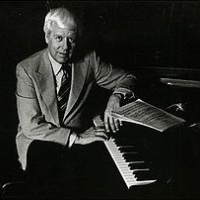
Earl Wild

Classical
Chamber Music
Classical Crossover
 Viberate Rank: 199173
 Viberate Rank: 199173
 Monthly ListenersFollowers
 Subscribers
 Followers
 Followers
 FansTop Spotify Songs
| Track | 7-Day Streams | |
|---|---|---|
1 | 5.90K | |
2 | 2.48K | |
3 | 2.34K | |
4 | 2.12K | |
5 | 1.32K |
Top YouTube VideosMonthly ListenersFeatured in Playlists| Playlist | Followers | |
|---|---|---|
1 |  Jazz Meets Classical Spotify | 321.61K |
2 |  This is Gershwin Spotify | 96.72K |
3 |  classical piano music that you will 100% fall in love with matteo vavalá | 10.51K |
4 |  Classical Music hitting them spots BastianOsis | 9.69K |
5 |  Oboe Solos I Like ❤️ Collin | 7.11K |
Audience| City | Monthly Listeners | |
|---|---|---|
1 |  | 722 |
2 |  | 715 |
3 | | 598 |
4 |  | 537 |
5 |  | 500 |
See full performance history, audience data, playlist activity, rankings, comparisons, and more in Viberate music analytics. Start with a free trial, then continue with a paid plan.
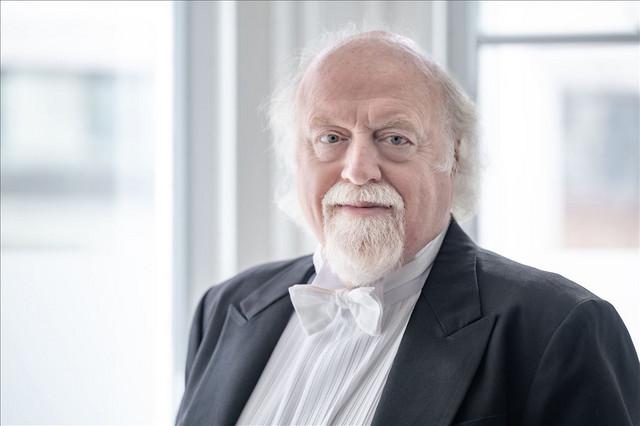
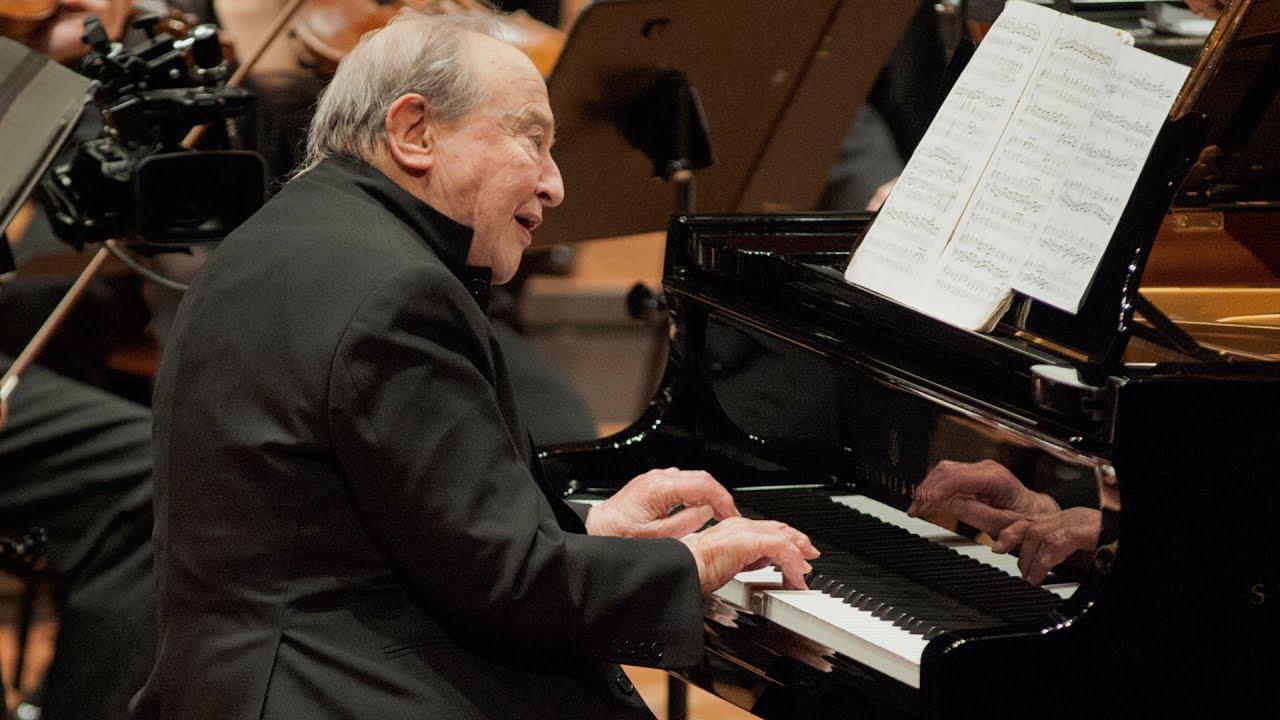
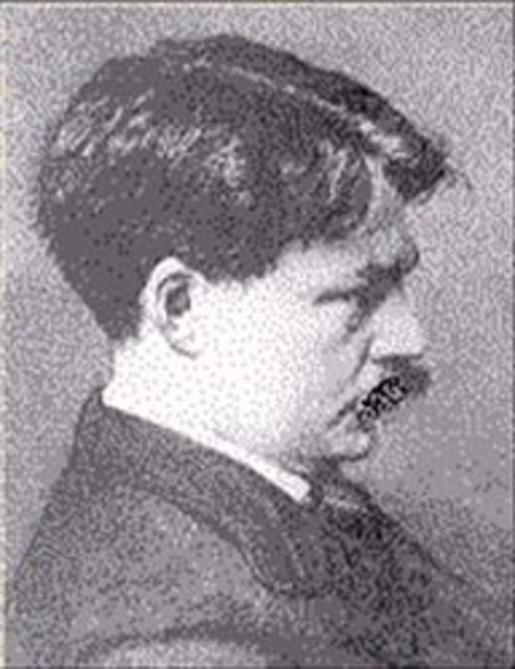
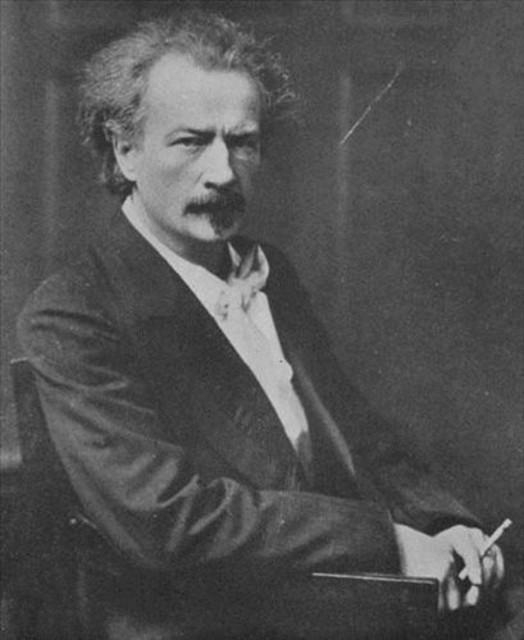
Earl Wild’s Spotify BioLiszt was often called a "piano-centaur," so at one was he with the instrument. Earl Wild could be described in similar terms. The gift of absolute pitch revealed itself at age three as his avidity for the keyboard took prodigious strides. At six he read music fluently, and before he was 12 he was studying piano with Selmar Janson, a pupil of d'Albert and Scharwenka (both students of Liszt). Busoni's "disciple," Egon Petri; Paul Doguereau, a student of Paderewski and Ravel; and Elena Barère, wife of the phenomenal Russian pianist Simon Barère, provided later tuition. With his superb mécanique and enormous hands, Wild was predestined to take his place among the great pianists, while his training and place in time spread before him the riches, traditions, and secrets of Romantic pianism. In his early teens, Wild was already composing, arranging, and transcribing music for radio station KDKA in Pittsburgh while playing piano and celesta in the Pittsburgh Symphony under Otto Klemperer. NBC… hired him as a staff pianist in 1937, a stint that included playing under Toscanini in the NBC Symphony and with whom Wild gave a legendary broadcast performance of Gershwin's Rhapsody in Blue in 1942, thereby coming to national notice as a major artist. During World War II, Wild served in the U.S. Navy playing fourth flute in the Navy Band, performing recitals at the White House, and frequently accompanying Eleanor Roosevelt to play "The Star-Spangled Banner" on her speaking tours. From 1945 to 1968, Wild was employed by ABC as staff pianist, conductor, and composer -- his oratorio, Revelations, was broadcast to popular acclaim in 1962 and again in 1964. His "Doo-Dah" Variations for piano and orchestra, on Stephen Foster's "Camptown Races," was premiered by Wild with the Des Moines Symphony Orchestra on September 26, 1992. He also gave world-premiere performances of Paul Creston's Concerto No. 1 and Marvin David Levy's Piano Concerto No. 1, a work composed for him. But it was as an interpreter of Romantic literature, especially Liszt -- and such neglected figures as Thalberg, Herz, Scharwenka, Balakirev, Paderewski, Godowsky, and Medtner -- that Wild was most notable. And, like them, he cultivated the art of piano transcription, re-creating the songs of Rachmaninov and Gershwin in his own omnicompetent style. Since his first recording in 1939, Wild compiled an imposing legacy of recorded performances combining scholarly savoir faire with the flair and visceral impact of the born showman. He was internationally in demand as a teacher.
Viberate is a music analytics platform built for A&Rs, artist managers, labels, booking agents, marketers, and artists.
It helps music professionals track artist growth, analyze audience data, monitor playlist activity, compare artists, follow song performance, and identify opportunities across the music market.
Public artist pages provide a free preview of selected artist data. Paid plans provide access to deeper analytics, historical data, charts, comparisons, playlist tools, exports, alerts, reports, and additional professional features.
Yes. Public Viberate artist pages provide selected artist analytics and music data for free.
Viberate also offers a 7-day free trial of the full platform. A credit card is required to start the trial. The trial includes access to the complete product so users can test deeper artist analytics, historical views, playlist insights, comparisons, charts, exports, alerts, and reporting features before choosing a paid plan.
Viberate provides artist analytics across streaming, playlists, social media, video, radio airplay, songs, and audience markets.
Users can analyze Spotify performance, Spotify and Apple Music playlists, YouTube activity, TikTok and Instagram growth, radio spins, song performance, audience locations, demographics, rankings, and overall artist momentum.
Artist profiles also connect to music charts, similar artists, and comparison tools, helping users benchmark performance and evaluate artists in context.
Viberate updates key artist and track data daily.
For followed artists and tracks, selected data is refreshed multiple times per day. This helps teams monitor playlist changes, streaming movement, audience growth, releases, and campaign performance with more current data.
Update frequency can vary depending on the metric and data source.
Yes. Viberate lets users compare up to five artists side by side across streaming, social media, audience, and engagement metrics.
Users can compare fanbase growth, audience demographics, locations, Spotify performance, social metrics, and other artist data over selected time periods.
Artist comparison can be used for A&R scouting, benchmarking, booking decisions, campaign planning, and evaluating artists with similar audiences or market positions.