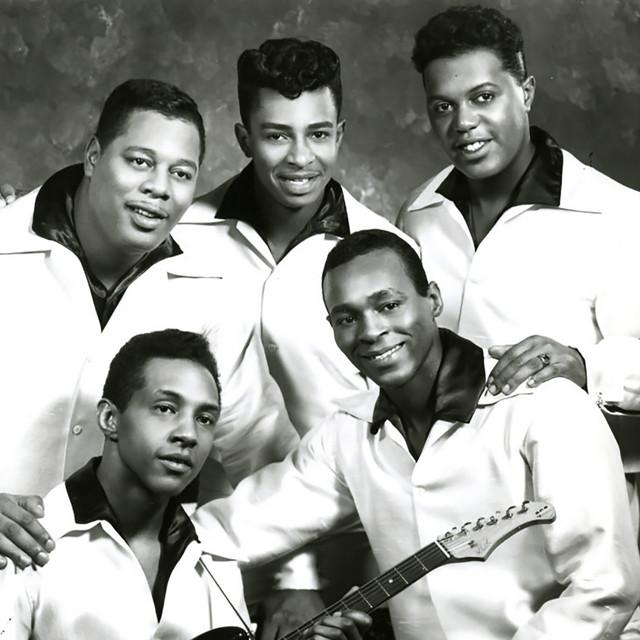
The Contours

R&B
Contemporary R&B
Soul
 Viberate Rank: 36092
 Viberate Rank: 36092
 Monthly ListenersFollowers
 Subscribers
 Followers
 Followers
 FansTop Spotify Songs
| Track | 7-Day Streams | |
|---|---|---|
1 | 561.02K | |
2 | 14.05K | |
3 | 5.94K | |
4 | 3.66K | |
5 | 3.31K |
Top YouTube VideosMonthly ListenersFeatured in Playlists| Playlist | Followers | |
|---|---|---|
1 |  Classic Oldies Spotify | 1.46M |
2 |  Happy Days Spotify | 683.61K |
3 |  Dirty Dancing Soundtrack Sebastián Galaviz | 458.37K |
4 |  60s Party Spotify | 344.25K |
5 |  Road Trip Songs - The Ultimate Throwback Playlist uDiscover Playlists | 310.41K |
Audience| City | Monthly Listeners | |
|---|---|---|
1 |  | 24.70K |
2 |  | 18.70K |
3 | | 18.68K |
4 | | 15.09K |
5 | | 12.48K |
See full performance history, audience data, playlist activity, rankings, comparisons, and more in Viberate music analytics. Start with a free trial, then continue with a paid plan.
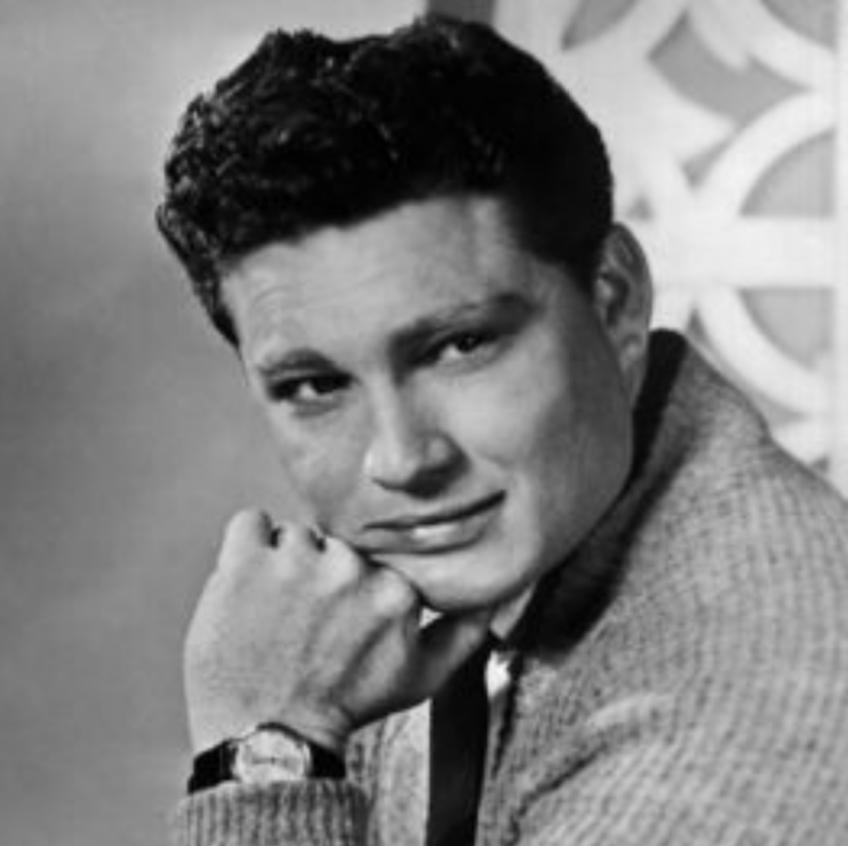
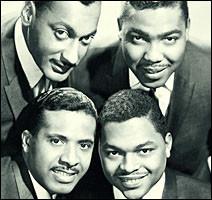
The Contours’ Spotify BioThe Contours are widely remembered for their 1962 smash "Do You Love Me?," one of the early hits that helped put Motown on the map. Yet they aren't always associated with their contribution to the label; they were one of the roughest, hardest R&B groups Berry Gordy ever signed, and their sound simply didn't resemble the smooth, sophisticated blueprint that later became Motown's trademark. Nor did their stage presence; in contrast to the slick choreography and wardrobe of Motown's signature artists, the Contours were all wild, irrepressible energy, leaping and sliding all over the stage and even doing the splits. As a result, they fell out of favor once Motown got its crossover-friendly hit factory up and running, and never duplicated the success of their first hit.
Formed in Detroit in 1959, the Contours originally began life as a quartet called the Blenders. Lead singer Billy Gordon, Billy Hogg, Sylvester Potts, and Joe Billingslea were soon joined by Hubert Johnson, a cousin of the… legendary Jackie Wilson, as well as guitarist Huey Davis. Changing their name to the Contours, the group landed an audition with Berry Gordy's fledgling Motown label. Gordy was not impressed and told them to try again in a year, and they enlisted Jackie Wilson's aid in honing their act. Wilson personally recommended the group to Gordy, who finally relented and signed them up in 1961. The Contours' first single "Whole Lotta Woman" sank without a trace, and Gordy nearly dropped them until Wilson once again interceded on their behalf. The move paid off handsomely when Gordy offered them a chance to cut "Do You Love Me?," a song originally intended for the Temptations, who couldn't quite nail down the rough and rowdy feel Gordy wanted. Released in 1962, "Do You Love Me?" zoomed straight to the top of the R&B charts in just a few short weeks, peaking at number three on the pop side.
Although the Contours were riding high thanks to their hit and their exciting live act, they found the momentum difficult to maintain. They were able to score a follow-up hit, "Shake Sherrie," in 1963, and ran off a string of R&B Top 40 singles over 1965-1966: "Can You Jerk Like Me?," the Top Ten "The Day When She Needed Me," the Smokey Robinson-penned "First I Look at the Purse," and "Just a Little Misunderstanding." Despite the often high quality of those singles, the Contours simply weren't getting the attention -- either from the label or the public -- that Motown's top stars were, and their sound was more of an anomaly at Hitsville than ever. By this time, the original quintet was no longer intact; new members included Joe Stubbs, brother of the Four Tops' Levi Stubbs, and Dennis Edwards, who went on to replace David Ruffin in the Temptations.
The Contours had their last charting single in 1967 with "It's So Hard Being a Loser"; Billingslea and Potts subsequently led versions of the group on the oldies circuit during the '70s and '80s and near the end of the latter decade experienced a revival of "Do You Love Me?" thanks to the wildly popular film Dirty Dancing. Billingslea, Potts, and their new cohorts hit the oldies circuit with renewed vigor, and also cut the album Running in Circles for U.K. Motown revivalist Ian Levine's Motorcity label in 1990. ~ Steve Huey, Rovi
Viberate is a music analytics platform built for A&Rs, artist managers, labels, booking agents, marketers, and artists.
It helps music professionals track artist growth, analyze audience data, monitor playlist activity, compare artists, follow song performance, and identify opportunities across the music market.
Public artist pages provide a free preview of selected artist data. Paid plans provide access to deeper analytics, historical data, charts, comparisons, playlist tools, exports, alerts, reports, and additional professional features.
Yes. Public Viberate artist pages provide selected artist analytics and music data for free.
Viberate also offers a 7-day free trial of the full platform. A credit card is required to start the trial. The trial includes access to the complete product so users can test deeper artist analytics, historical views, playlist insights, comparisons, charts, exports, alerts, and reporting features before choosing a paid plan.
Viberate provides artist analytics across streaming, playlists, social media, video, radio airplay, songs, and audience markets.
Users can analyze Spotify performance, Spotify and Apple Music playlists, YouTube activity, TikTok and Instagram growth, radio spins, song performance, audience locations, demographics, rankings, and overall artist momentum.
Artist profiles also connect to music charts, similar artists, and comparison tools, helping users benchmark performance and evaluate artists in context.
Viberate updates key artist and track data daily.
For followed artists and tracks, selected data is refreshed multiple times per day. This helps teams monitor playlist changes, streaming movement, audience growth, releases, and campaign performance with more current data.
Update frequency can vary depending on the metric and data source.
Yes. Viberate lets users compare up to five artists side by side across streaming, social media, audience, and engagement metrics.
Users can compare fanbase growth, audience demographics, locations, Spotify performance, social metrics, and other artist data over selected time periods.
Artist comparison can be used for A&R scouting, benchmarking, booking decisions, campaign planning, and evaluating artists with similar audiences or market positions.