Arthur Conley

R&B
Soul
 Viberate Rank: 69858
 Viberate Rank: 69858
 Monthly ListenersFollowers
 Subscribers
 Followers
 Followers
 FansTop Spotify Songs
| Track | 7-Day Streams | |
|---|---|---|
1 | 113.16K | |
2 | 4.39K | |
3 | 2.52K | |
4 | 2.21K | |
5 | 2.02K |
Top YouTube VideosMonthly ListenersFeatured in Playlists| Playlist | Followers | |
|---|---|---|
1 |  Feelin' Good Spotify | 3.58M |
2 |  Classic Oldies Spotify | 1.46M |
3 |  Uplifting Soul Classics Spotify | 1.35M |
4 |  60s Party Spotify | 344.25K |
5 |  Soul Classics - The Greatest Soul Songs Topsify Germany | 175.56K |
Audience| City | Monthly Listeners | |
|---|---|---|
1 |  | 8.55K |
2 | | 4.33K |
3 |  | 3.13K |
4 | | 2.81K |
5 |  | 2.57K |
See full performance history, audience data, playlist activity, rankings, comparisons, and more in Viberate music analytics. Start with a free trial, then continue with a paid plan.
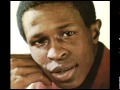
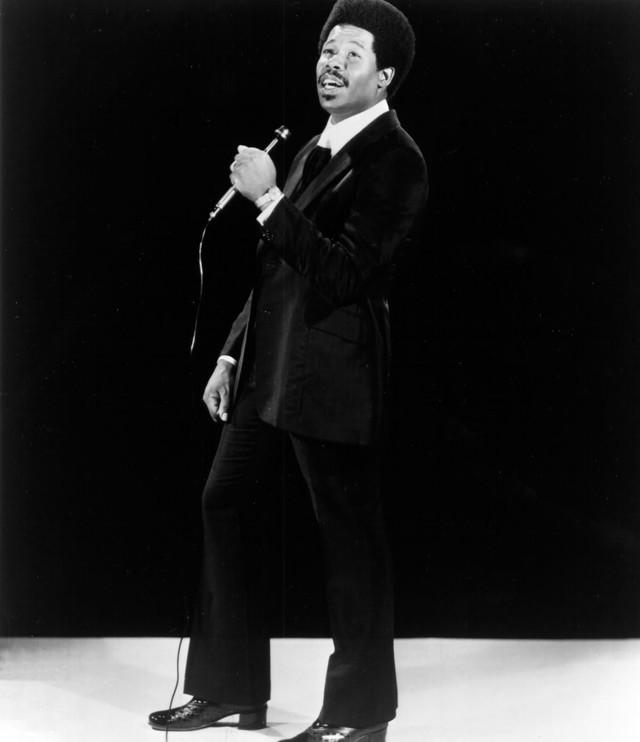
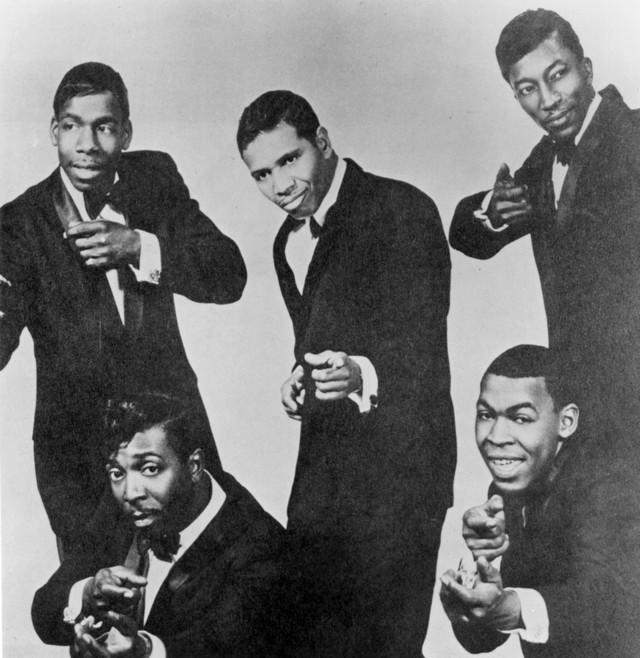
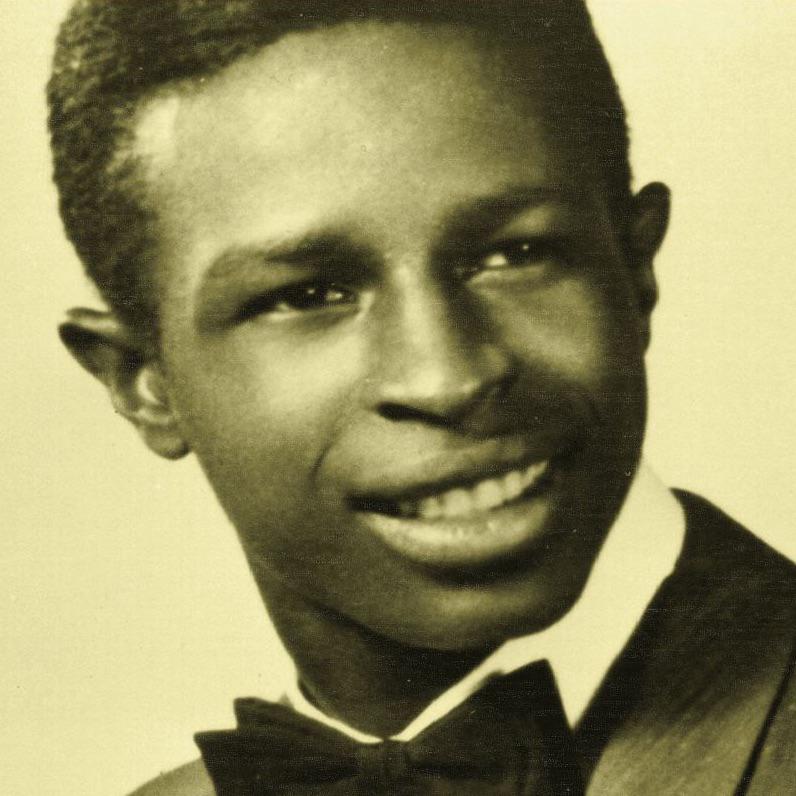
Arthur Conley’s Spotify BioArthur Conley sang and (with mentor Otis Redding) co-wrote the 1967 classic "Sweet Soul Music," arguably the finest record ever made about the genre it celebrates. Born January 4, 1946, in McIntosh, GA, and raised in Atlanta, Conley was just 12 years old when he joined the Evening Smiles, a gospel group that appeared regularly on local radio station WAOK. By 1963 he was leading his own R&B outfit, Arthur & the Corvets, which over the next two years issued three singles -- "Poor Girl," "I Believe," and "Flossie Mae" -- for the Atlanta label National Recording Company. Despite Conley's graceful yet powerful vocals (which owed an immense debt to his idol, Sam Cooke), the NRC singles earned little attention, and he dissolved the group to mount a solo career, releasing "I'm a Lonely Stranger" on the Ru-Jac label in late 1964. Label owner Rufus Mitchell then passed a copy of the single to soul shouter Redding, who was so impressed he invited Conley to re-record the song at Memphis' Stax… Studios. With Jim Stewart assuming production duties, the recut "I'm a Stranger" hit retail in the fall of 1965, and was just the second single to appear on Redding's fledgling Jotis imprint. Conley's "Who's Foolin' Who" followed in early 1966, and proved the fourth and final Jotis effort.
At Redding's urging, Conley signed to Atco-distributed Fame Records for his next single, the Dan Penn-written "I Can't Stop (No, No, No)." Though his strongest, most incendiary record to date, it met the same commercial indifference that greeted his previous efforts. Likewise, the follow-up "Take Me (Just as I Am)" fell on deaf ears, even though the song was a major pop hit for Solomon Burke the following year. At that point Redding took an even greater role in Conley's career, encouraging his songwriting and advising him in business decisions; while jamming on a cover of Cooke's "Yeah Man," the pair began tinkering with the original song, creating what would ultimately become "Sweet Soul Music." An electrifying tribute to the Southern soul idiom that name-checked icons including James Brown, Sam & Dave, Wilson Pickett, and -- at Conley's insistence -- Redding himself, the resulting single (Conley's debut for new label Atco) proved a massive hit, reaching number two on both the Billboard pop and R&B charts while reaching the Top Ten across much of Europe. An LP also titled Sweet Soul Music soon followed, compiling the singer's little-heard Jotis and Fame sides. Conley's next single, a reading of the Big Joe Turner chestnut "Shake, Rattle and Roll," returned him to the pop Top 40 and the R&B Top 20, although its follow-up, a cover of Cooke's "Whole Lotta Woman," reached only number 73 on the pop chart.
Conley was performing in Florida the night of December 10, 1967, when Redding and members of his backing band the Bar-Kays were killed in a Wisconsin plane crash; without Redding to run interference with Atco executives, the singer's career threatened to revert back to its rudderless beginnings, but in early 1968 Conley righted the ship, traveling to Memphis' American Recording Studios to collaborate with the crack producer Tom Dowd. The session generated some of the singer's finest material, including the Top 20 R&B hit "People Sure Act Funny," "Run On," and the stirring Redding tribute "Otis Sleep On." Best of all was the scorching "Funky Street," which hit number five on the Billboard R&B chart and number 14 on its pop counterpart. Weeks later Conley teamed with Burke, Don Covay, Ben E. King, and Joe Tex as the Soul Clan, recording the all-star LP Soul Meeting; he then embarked on a month-long tour of Europe, returning to American to cut the Dowd-produced "Aunt Dora's Love Soul Shack," a minor hit that was reportedly the inspiration for the Temptations' smash "Psychedelic Shack." Conley closed out the year by recording a cover of the Beatles' "Ob-La-Di, Ob-La-Da." Featuring the great Duane Allman on guitar, the single reached number 51 pop and number 41 R&B in early 1969.
After one final outing with Dowd, the Allen Toussaint-penned "Star Review" -- a naked and failed attempt to recapture the brilliance of "Sweet Soul Music" -- Conley signed on with producer Johnny Sandlin, returning to the R&B Top 40 in early 1970 with "God Bless." His final Atco disc, an ill-advised rendition of Harry Belafonte's perennial "Day-O," foreshadowed the poor choices that characterized his subsequent tenure with manager Phil Walden's Capricorn label. Between 1971 and 1974, Conley released only four singles ("I'm Living Good," "Walking on Eggs," "Rita," and "It's So Nice [When It's Someone Else's Wife]"), all of them substandard and none of them hits. In 1975 he relocated to England, spending several years in Belgium before settling in the Netherlands in 1980. There he legally changed his name to Lee Roberts (the first name his own middle name, the surname his mother's maiden name). A live date recorded in Amsterdam on January 6, 1980, was issued commercially in 1988 under the title Soulin' and credited to Lee Roberts & the Sweaters. In the years to follow he emerged as a successful entrepreneur. At one point in time his Art-Con Productions consisted of some nine companies, among them Sweat Records, Upcoming Artists Records, Charity Records, Happy Jack Publishing, and the New Age Culture Exchange radio station. After a long bout with cancer, Conley died in the Dutch city of Ruurlo on November 17, 2003. ~ Jason Ankeny, Rovi
Viberate is a music analytics platform built for A&Rs, artist managers, labels, booking agents, marketers, and artists.
It helps music professionals track artist growth, analyze audience data, monitor playlist activity, compare artists, follow song performance, and identify opportunities across the music market.
Public artist pages provide a free preview of selected artist data. Paid plans provide access to deeper analytics, historical data, charts, comparisons, playlist tools, exports, alerts, reports, and additional professional features.
Yes. Public Viberate artist pages provide selected artist analytics and music data for free.
Viberate also offers a 7-day free trial of the full platform. A credit card is required to start the trial. The trial includes access to the complete product so users can test deeper artist analytics, historical views, playlist insights, comparisons, charts, exports, alerts, and reporting features before choosing a paid plan.
Viberate provides artist analytics across streaming, playlists, social media, video, radio airplay, songs, and audience markets.
Users can analyze Spotify performance, Spotify and Apple Music playlists, YouTube activity, TikTok and Instagram growth, radio spins, song performance, audience locations, demographics, rankings, and overall artist momentum.
Artist profiles also connect to music charts, similar artists, and comparison tools, helping users benchmark performance and evaluate artists in context.
Viberate updates key artist and track data daily.
For followed artists and tracks, selected data is refreshed multiple times per day. This helps teams monitor playlist changes, streaming movement, audience growth, releases, and campaign performance with more current data.
Update frequency can vary depending on the metric and data source.
Yes. Viberate lets users compare up to five artists side by side across streaming, social media, audience, and engagement metrics.
Users can compare fanbase growth, audience demographics, locations, Spotify performance, social metrics, and other artist data over selected time periods.
Artist comparison can be used for A&R scouting, benchmarking, booking decisions, campaign planning, and evaluating artists with similar audiences or market positions.