Firefall

Rock
Pop Rock
Country Rock
 Viberate Rank: 36673
 Viberate Rank: 36673
 Monthly ListenersFollowers
 Subscribers
 Followers
 Followers
 FansTop Spotify Songs
| Track | 7-Day Streams | |
|---|---|---|
1 | 193.69K | |
2 | 104.21K | |
3 | 51.28K | |
4 | 44.91K | |
5 | 12.14K |
Top YouTube Videos| Video | 7-Day Views | |
|---|---|---|
1 | 3.29K | |
2 | 3.22K | |
3 | 209 | |
4 | 177 | |
5 | 162 |
Monthly ListenersFeatured in Playlists| Playlist | Followers | |
|---|---|---|
1 |  Soft Rock Spotify | 3.55M |
2 |  Good Times, Great Oldies Spotify | 1.25M |
3 |  80s Soft Rock Spotify | 372.56K |
4 | Classic Rock Greatest Hits Scott Pruden | 341.38K |
5 |  70s Soft Rock Spotify | 332.84K |
Audience| City | Monthly Listeners | |
|---|---|---|
1 | | 8.08K |
2 | | 6.90K |
3 | | 6.05K |
4 |  | 6.00K |
5 |  | 5.99K |
See full performance history, audience data, playlist activity, rankings, comparisons, and more in Viberate music analytics. Start with a free trial, then continue with a paid plan.
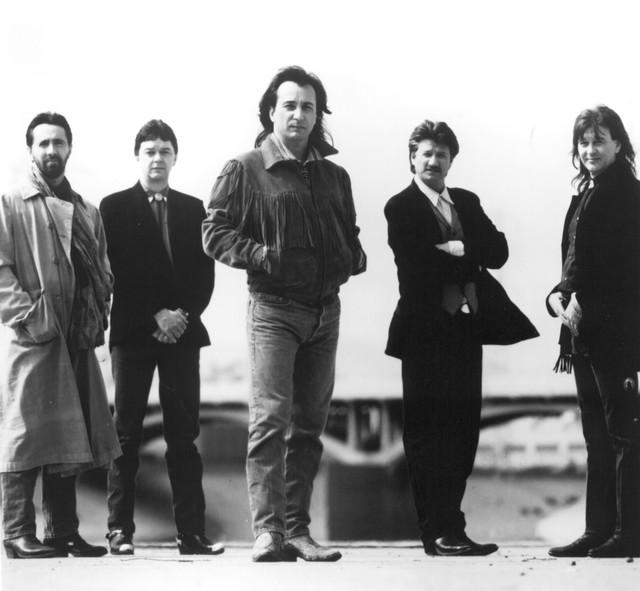
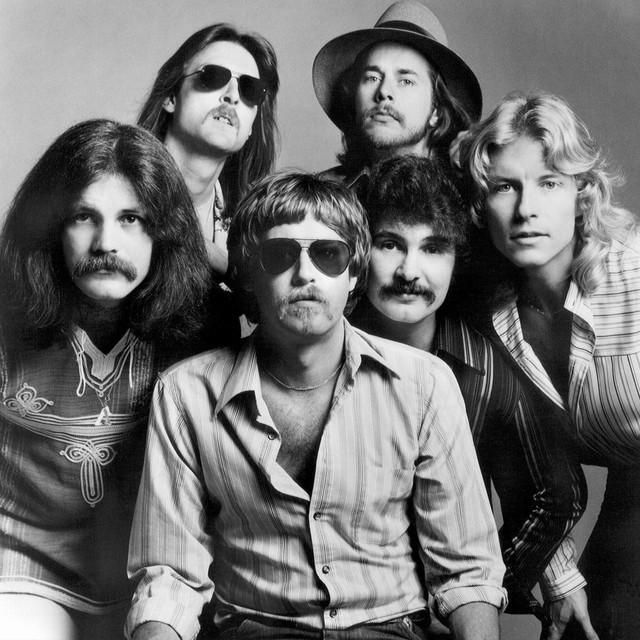
Firefall’s Spotify BioWhen a group reaches their fifth decade like Firefall has, they develop deep roots with their fellow musicians, whether from sharing touring bills or shuffling band members. On Friends & Family, Firefall celebrates these relationships with 13 tracks representing multiple Rock & Roll Hall of Fame inductees, country rock pioneers, Southern rock superstars, and Top 40 hit-makers. The album stands - in the words of founding guitarist Jock Bartley - “as a tribute to the great music of the 70s.”
Firefall certainly contributed their share to the 70s’ great music, igniting the airwaves with a string of hits, starting with their 1976 smash “You Are the Woman” and touring with such acts as Fleetwood Mac, The Band, Lynyrd Skynyrd and The Doobie Brothers. While the band’s melodic, country-flavored rock is present throughout Friends & Family, Firefall also show deep respect for these beloved songs explains Bartley, who also produced the album. “We wanted to duplicate the energy in the songs and make… them familiar but make the music a little bit different and put a new slant on the songs.”
The band found huge success with their 1976 self-titled debut which contained their biggest hit “You Are the Woman” which landed in the Top 10 and two other singles “Livin' Ain't Livin'" and "Cinderella” which broke into the top 45. Their next two albums, Luna Sea, and Elan, delivered singles (“Just Remember I Love You” and “Strange Way” respectively) that reached #11 on the Billboard Top 100.
Viberate is a music analytics platform built for A&Rs, artist managers, labels, booking agents, marketers, and artists.
It helps music professionals track artist growth, analyze audience data, monitor playlist activity, compare artists, follow song performance, and identify opportunities across the music market.
Public artist pages provide a free preview of selected artist data. Paid plans provide access to deeper analytics, historical data, charts, comparisons, playlist tools, exports, alerts, reports, and additional professional features.
Yes. Public Viberate artist pages provide selected artist analytics and music data for free.
Viberate also offers a 7-day free trial of the full platform. A credit card is required to start the trial. The trial includes access to the complete product so users can test deeper artist analytics, historical views, playlist insights, comparisons, charts, exports, alerts, and reporting features before choosing a paid plan.
Viberate provides artist analytics across streaming, playlists, social media, video, radio airplay, songs, and audience markets.
Users can analyze Spotify performance, Spotify and Apple Music playlists, YouTube activity, TikTok and Instagram growth, radio spins, song performance, audience locations, demographics, rankings, and overall artist momentum.
Artist profiles also connect to music charts, similar artists, and comparison tools, helping users benchmark performance and evaluate artists in context.
Viberate updates key artist and track data daily.
For followed artists and tracks, selected data is refreshed multiple times per day. This helps teams monitor playlist changes, streaming movement, audience growth, releases, and campaign performance with more current data.
Update frequency can vary depending on the metric and data source.
Yes. Viberate lets users compare up to five artists side by side across streaming, social media, audience, and engagement metrics.
Users can compare fanbase growth, audience demographics, locations, Spotify performance, social metrics, and other artist data over selected time periods.
Artist comparison can be used for A&R scouting, benchmarking, booking decisions, campaign planning, and evaluating artists with similar audiences or market positions.