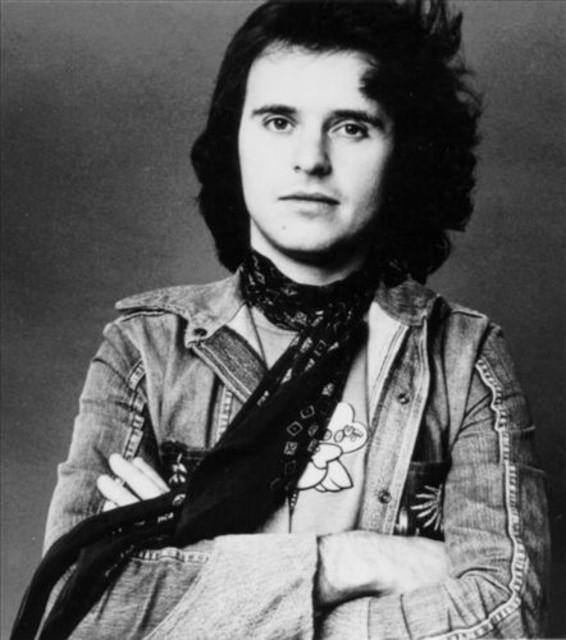
Atlanta Rhythm Section

Rock
Alternative Rock
 Viberate Rank: 29959
 Viberate Rank: 29959
 Monthly ListenersFollowers
 Subscribers
 Followers
 Followers
 FansTop Spotify Songs
| Track | 7-Day Streams | |
|---|---|---|
1 | 309.84K | |
2 | 50.14K | |
3 | 37.33K | |
4 | 25.71K | |
5 | 14.08K |
Top YouTube Videos| Video | 7-Day Views | |
|---|---|---|
1 | 16.21K | |
2 | 4.29K | |
3 | 1.39K | |
4 | 877 | |
5 | 557 |
Monthly ListenersFeatured in Playlists| Playlist | Followers | |
|---|---|---|
1 |  Soft Rock Spotify | 3.55M |
2 |  Yacht Rock Spotify | 1.85M |
3 |  Southern Rock Spotify | 542.48K |
4 |  80s Soft Rock Spotify | 372.56K |
5 | Classic Rock Greatest Hits Scott Pruden | 341.38K |
Audience| City | Monthly Listeners | |
|---|---|---|
1 | | 14.62K |
2 | | 12.57K |
3 | | 11.96K |
4 | | 11.91K |
5 | | 11.37K |
See full performance history, audience data, playlist activity, rankings, comparisons, and more in Viberate music analytics. Start with a free trial, then continue with a paid plan.
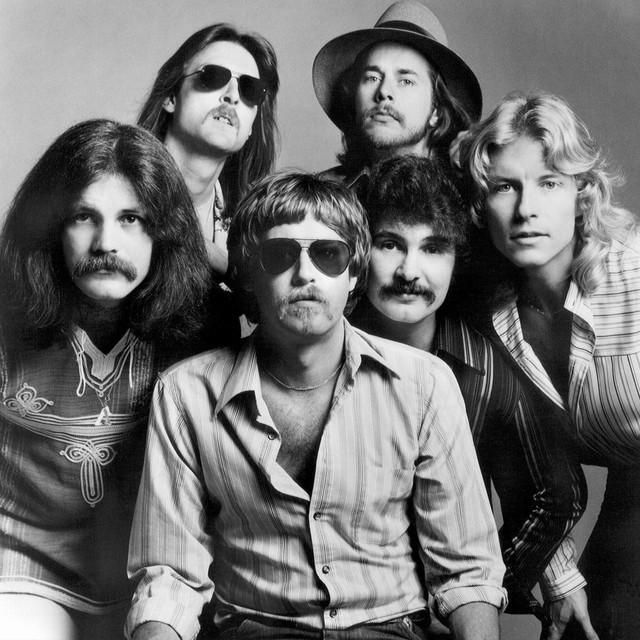
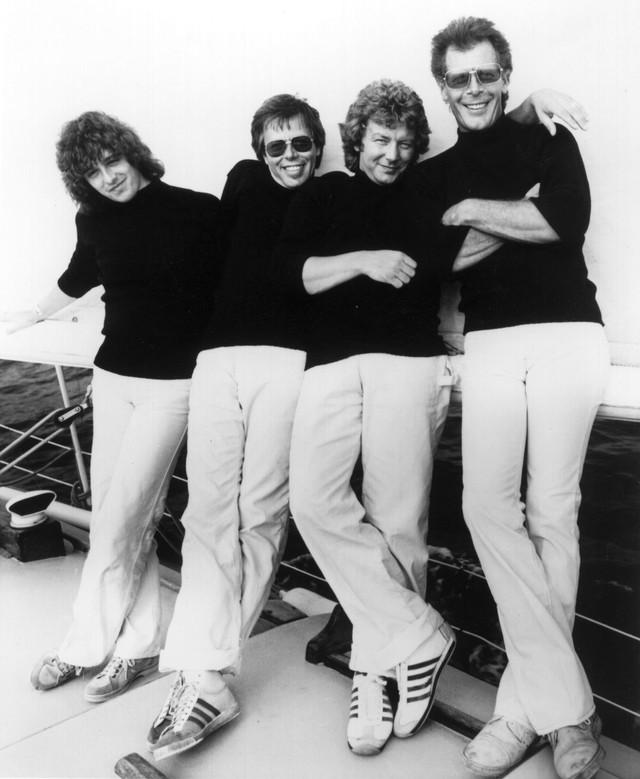
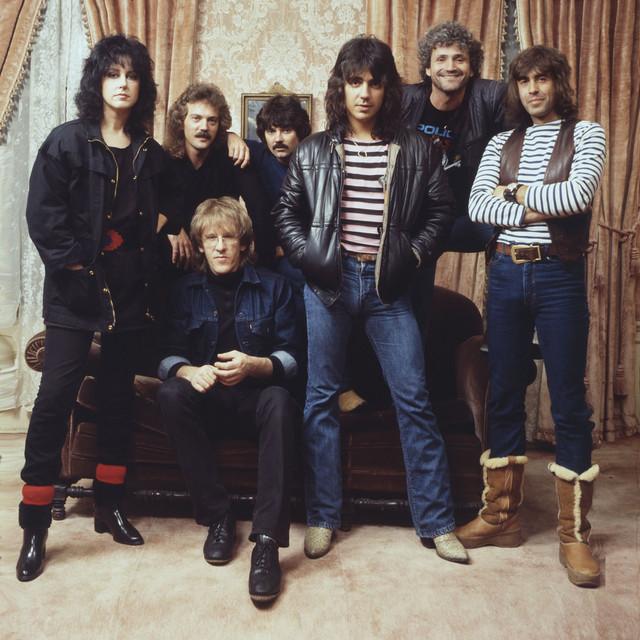
Atlanta Rhythm Section’s Spotify BioOften described as a more radio-friendly version of Lynyrd Skynyrd or the Allman Brothers, the Atlanta Rhythm Section was one of many Southern rock bands to hit the upper reaches of the charts during the late '70s. Hailing from the small town of Doraville, Georgia, the beginning of the Atlanta Rhythm Section can be traced back to 1970. It was then that a local recording studio was opened, Studio One, and the remnants of two groups (the Candymen and the Classics Four) became the studio's house band. One of the facility's head figures, Buddy Buie, soon began assembling the session band, which comprised singer Rodney Justo, guitarist Barry Bailey, bassist Paul Goddard, keyboardist Dean Daughtry, and drummer Robert Nix. After playing on several artists' recordings, it was decided to take the band a step further and make the group of players a real band, leading to the formation of the Atlanta Rhythm Section.
Buie became an invisible fifth member of the fledgling band; he served as their… manager and producer in addition to providing a major hand in the songwriting department. Finding time between sessions to record their own original material (which was initially entirely instrumental), an early demo wound up landing the band a record deal. The group's first few albums failed to generate much chart action (1972's Atlanta Rhythm Section, 1973's Back Up Against the Wall, 1974's Third Annual Pipe Dream, 1975's Dog Days, and 1976's Red Tape), but it was during this time that Justo was replaced with newcomer Ronnie Hammond, which would eventually pay dividends for the group. Although they had gained quite a bit of radio airplay down south, their record company began to put pressure on the quintet to deliver a single that would break them nationally. The demand worked -- the Atlanta Rhythm Section scored a Top Ten single, "So Into You," on their next release, 1976's A Rock and Roll Alternative, which was the group's first album to reach gold certification.
But this wouldn't be the group's commercial peak, as they scored the highest-charting album of their career in 1978, the Top Ten Champagne Jam, which spawned two hit singles -- "I'm Not Gonna Let It Bother Me Tonight" and "Imaginary Lover." To keep up their high profile, the Atlanta Rhythm Section were soon one of the hardest touring bands of the entire Southern rock genre (including a performance at the White House for President Jimmy Carter). But the group's commercial success would be fleeting; each subsequent album -- 1979's Underdog and live set Are You Ready, 1980's The Boys from Doraville, and 1981's Quinella -- sold less than the previous one, resulting in the band's split shortly thereafter.
In the wake of their split, the Atlanta Rhythm Section reunited sporadically for tours (although only a few original members were present), and issued their first all-new studio album in more than a decade in 1999, Eufaula. Additionally, some of country-rock's biggest names went on to record Atlanta Rhythm Section covers -- Travis Tritt, Wynonna Judd, and Charlie Daniels, among others. Guitarist Barry Bailey died on March 12, 2022 in Atlanta after struggling for several years with multiple sclerosis; he was 73. Keyboard player Dean Daughtry died in Huntsville, AL on January 26, 2023 at the age of 76. ~ Greg Prato, Rovi
Viberate is a music analytics platform built for A&Rs, artist managers, labels, booking agents, marketers, and artists.
It helps music professionals track artist growth, analyze audience data, monitor playlist activity, compare artists, follow song performance, and identify opportunities across the music market.
Public artist pages provide a free preview of selected artist data. Paid plans provide access to deeper analytics, historical data, charts, comparisons, playlist tools, exports, alerts, reports, and additional professional features.
Yes. Public Viberate artist pages provide selected artist analytics and music data for free.
Viberate also offers a 7-day free trial of the full platform. A credit card is required to start the trial. The trial includes access to the complete product so users can test deeper artist analytics, historical views, playlist insights, comparisons, charts, exports, alerts, and reporting features before choosing a paid plan.
Viberate provides artist analytics across streaming, playlists, social media, video, radio airplay, songs, and audience markets.
Users can analyze Spotify performance, Spotify and Apple Music playlists, YouTube activity, TikTok and Instagram growth, radio spins, song performance, audience locations, demographics, rankings, and overall artist momentum.
Artist profiles also connect to music charts, similar artists, and comparison tools, helping users benchmark performance and evaluate artists in context.
Viberate updates key artist and track data daily.
For followed artists and tracks, selected data is refreshed multiple times per day. This helps teams monitor playlist changes, streaming movement, audience growth, releases, and campaign performance with more current data.
Update frequency can vary depending on the metric and data source.
Yes. Viberate lets users compare up to five artists side by side across streaming, social media, audience, and engagement metrics.
Users can compare fanbase growth, audience demographics, locations, Spotify performance, social metrics, and other artist data over selected time periods.
Artist comparison can be used for A&R scouting, benchmarking, booking decisions, campaign planning, and evaluating artists with similar audiences or market positions.