Orleans

Rock
Pop Rock
Funk
 Viberate Rank: 25686
 Viberate Rank: 25686
 Monthly ListenersFollowers
 Subscribers
 Followers
 Followers
 FansTop Spotify Songs
| Track | 7-Day Streams | |
|---|---|---|
1 | 526.63K | |
2 | 327.22K | |
3 | 34.19K | |
4 | 12.75K | |
5 | 11.88K |
Top YouTube Videos| Video | 7-Day Views | |
|---|---|---|
1 | 19.28K | |
2 | 8.27K | |
3 | 6.26K | |
4 | 2.74K | |
5 | 606 |
Monthly ListenersFeatured in Playlists| Playlist | Followers | |
|---|---|---|
1 |  Soft Rock Spotify | 3.55M |
2 |  Good Times, Great Oldies Spotify | 1.25M |
3 |  Old Songs Everyone Knows Ben Lillie | 566.30K |
4 |  Easy 70s Spotify | 518.81K |
5 |  Backyard BBQ Spotify | 471.52K |
Audience| City | Monthly Listeners | |
|---|---|---|
1 |  | 22.77K |
2 | | 20.99K |
3 | | 18.15K |
4 | | 16.84K |
5 |  | 16.53K |
See full performance history, audience data, playlist activity, rankings, comparisons, and more in Viberate music analytics. Start with a free trial, then continue with a paid plan.
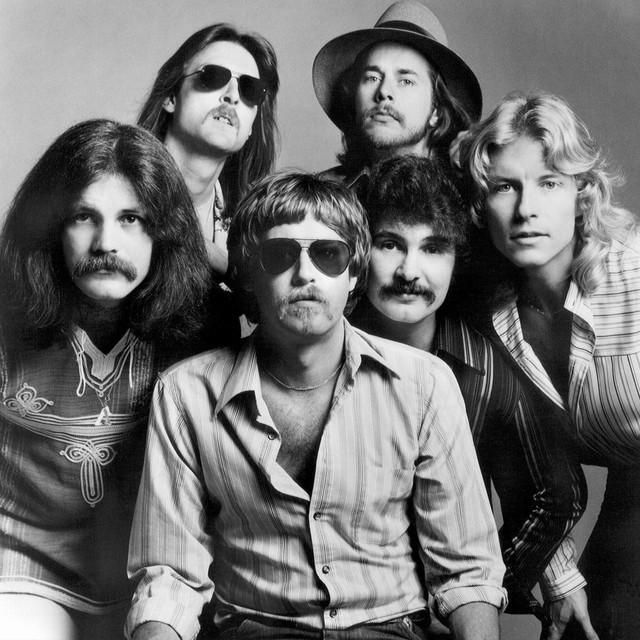
Orleans’ Spotify BioBest known for their hits "Still the One" and "Dance with Me," Orleans were founded in New York in 1972 by John Hall, Larry Hoppen, and Wells Kelly. Hoppen's brother Lance joined before the group signed with ABC Records in 1973; working with producers Barry Beckett and Roger Hawkins at Muscle Shoals Studios, they released their self-titled debut later that year. In 1974 Orleans recorded a self-produced album in New York's Bearsville Studio, but ABC didn't like it and dropped the group from the label, leaving Asylum to release the album Let There Be Music in 1974, spurring the group's first big hit, 1975's "Dance with Me."
Their album Waking and Dreaming contained the hit "Still the One," which ABC-TV used as a theme song for that year. In 1977, Hall, who wrote many of the group's hits with his wife Johanna, left the group to pursue a solo career. He recorded two solo albums after signing with Elektra Records, and became something of a spokesman for the antinuclear power movement,… helping to organize a group called MUSE (Musicians United for Safe Energy). Hall eventually worked with Jackson Browne, Graham Nash, and Bonnie Raitt to organize the No Nukes concerts at Madison Square Garden in 1979.
Without Hall, Orleans went through several other personnel changes before they had a number 11 hit with "Love Takes Time," from the album Forever. Though MCA's Infinity label went bankrupt in 1980, the group persevered, performing together in clubs and releasing the album One of a Kind in 1982. In 1984 Kelly died in London of a heroin overdose, and by the early '90s Hall ditched his solo career and returned to performing with Orleans. After the group released 1994's Orleans Live, Vol. 1, and 1995's Analog Men on its own Major record label, Hall and the Hoppen brothers toured on and off during the rest of the '90s and 2000s. Hall later left the band to pursue a seat in the U.S. Congress, which he won in 2006 and was re-elected to in 2008 before losing it in 2010. Amidst plans to integrate Hall back into the band, Larry Hoppen died in the summer of 2012. ~ Richard Skelly, Rovi
Viberate is a music analytics platform built for A&Rs, artist managers, labels, booking agents, marketers, and artists.
It helps music professionals track artist growth, analyze audience data, monitor playlist activity, compare artists, follow song performance, and identify opportunities across the music market.
Public artist pages provide a free preview of selected artist data. Paid plans provide access to deeper analytics, historical data, charts, comparisons, playlist tools, exports, alerts, reports, and additional professional features.
Yes. Public Viberate artist pages provide selected artist analytics and music data for free.
Viberate also offers a 7-day free trial of the full platform. A credit card is required to start the trial. The trial includes access to the complete product so users can test deeper artist analytics, historical views, playlist insights, comparisons, charts, exports, alerts, and reporting features before choosing a paid plan.
Viberate provides artist analytics across streaming, playlists, social media, video, radio airplay, songs, and audience markets.
Users can analyze Spotify performance, Spotify and Apple Music playlists, YouTube activity, TikTok and Instagram growth, radio spins, song performance, audience locations, demographics, rankings, and overall artist momentum.
Artist profiles also connect to music charts, similar artists, and comparison tools, helping users benchmark performance and evaluate artists in context.
Viberate updates key artist and track data daily.
For followed artists and tracks, selected data is refreshed multiple times per day. This helps teams monitor playlist changes, streaming movement, audience growth, releases, and campaign performance with more current data.
Update frequency can vary depending on the metric and data source.
Yes. Viberate lets users compare up to five artists side by side across streaming, social media, audience, and engagement metrics.
Users can compare fanbase growth, audience demographics, locations, Spotify performance, social metrics, and other artist data over selected time periods.
Artist comparison can be used for A&R scouting, benchmarking, booking decisions, campaign planning, and evaluating artists with similar audiences or market positions.