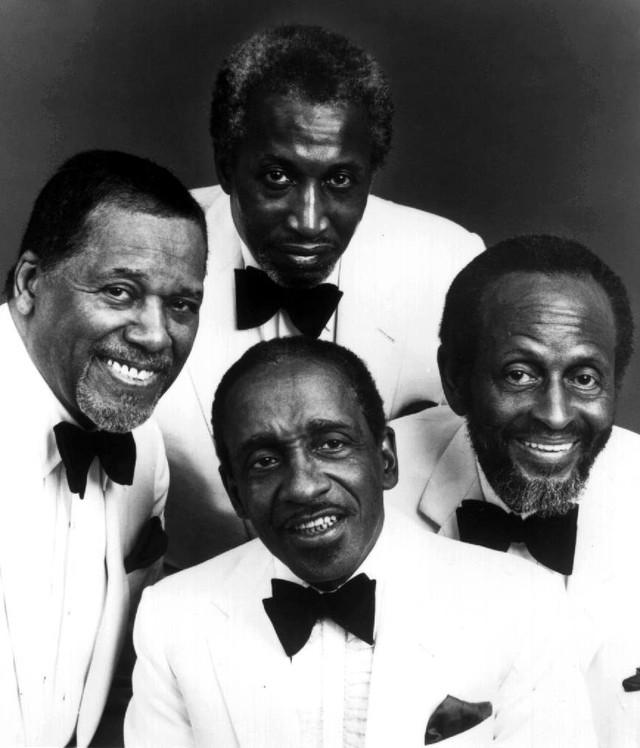
Connie Kay

Jazz
Swing
Smooth Jazz
 Viberate Rank: 293498
 Viberate Rank: 293498
 Monthly ListenersFollowers
 Subscribers
 Followers
 Followers
 FansTop Spotify Songs
| Track | 7-Day Streams | |
|---|---|---|
1 | 20.52K | |
2 | 5.13K | |
3 | 2.83K | |
4 | 2.68K | |
5 | 1.58K |
Top YouTube VideosMonthly ListenersFeatured in Playlists| Playlist | Followers | |
|---|---|---|
1 |  Jazz Noir Spotify | 349.57K |
2 |  slow jazz Joel Krigström | 64.67K |
3 |  JAZZ CHILLOUT 1296362009 | 44.19K |
4 |  This Is Thelonious Monk Spotify | 43.73K |
5 |  Very sad Jazz playlist (very f-ing sad) H_D33R | 36.46K |
Audience| City | Monthly Listeners | |
|---|---|---|
1 |  | 730 |
2 | | 717 |
3 | | 651 |
4 |  | 604 |
5 |  | 550 |
See full performance history, audience data, playlist activity, rankings, comparisons, and more in Viberate music analytics. Start with a free trial, then continue with a paid plan.
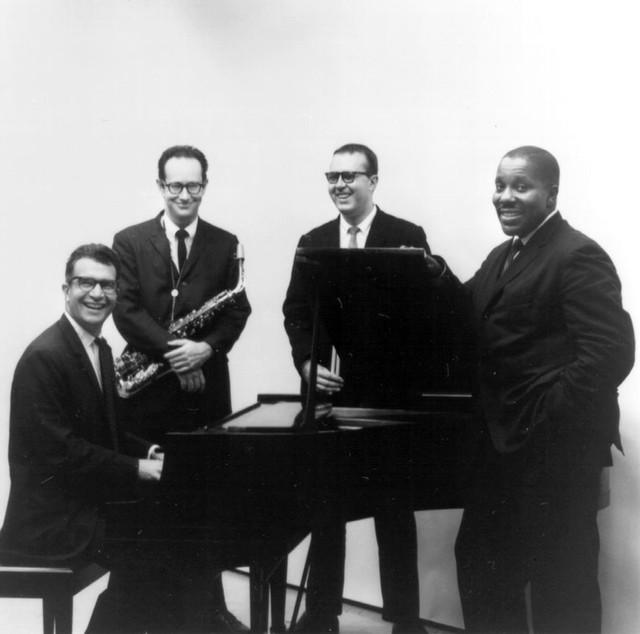
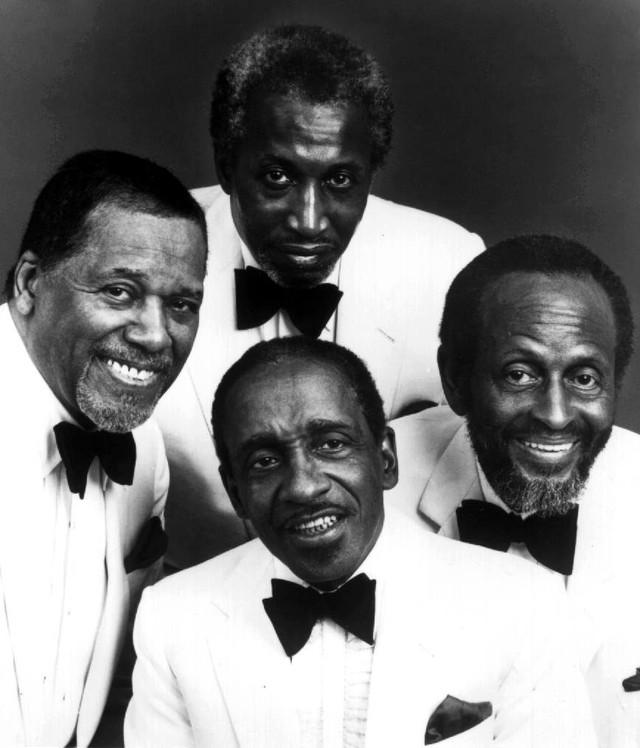
Connie Kay’s Spotify BioFor two months shy of 40 years (including seven years in which the group was on "vacation"), Connie Kay was the drummer/percussionist with the Modern Jazz Quartet. His subtle contributions (showing both restraint and swing) were an invaluable asset to the group. Self-taught on the drums, Kay played in the mid-'40s with Sir Charles Thompson, Miles Davis, and Cat Anderson. He was in Lester Young's quintet off and on during 1949-1955, a period in which Kay also worked with Beryl Booker, Stan Getz, Coleman Hawkins, and Charlie Parker, among others. In February 1955, he joined the MJQ, traveling the world with the band up until they called it "quits" in 1974. During that era, he also appeared as a guest on small-group dates by Chet Baker, Cannonball Adderley, Jimmy Heath, and Paul Desmond/Jim Hall. During 1975-1981, Kay worked with Tommy Flanagan, Soprano Summit, Benny Goodman (including his 40th anniversary Carnegie Hall concert), and was the house drummer at Eddie Condon's club. He spent… his last 13 years back with the MJQ; Mickey Roker filled in when he was ill and Albert "Tootie" Heath took over the drum slot after Connie Kay's death. ~ Scott Yanow, Rovi
Viberate is a music analytics platform built for A&Rs, artist managers, labels, booking agents, marketers, and artists.
It helps music professionals track artist growth, analyze audience data, monitor playlist activity, compare artists, follow song performance, and identify opportunities across the music market.
Public artist pages provide a free preview of selected artist data. Paid plans provide access to deeper analytics, historical data, charts, comparisons, playlist tools, exports, alerts, reports, and additional professional features.
Yes. Public Viberate artist pages provide selected artist analytics and music data for free.
Viberate also offers a 7-day free trial of the full platform. A credit card is required to start the trial. The trial includes access to the complete product so users can test deeper artist analytics, historical views, playlist insights, comparisons, charts, exports, alerts, and reporting features before choosing a paid plan.
Viberate provides artist analytics across streaming, playlists, social media, video, radio airplay, songs, and audience markets.
Users can analyze Spotify performance, Spotify and Apple Music playlists, YouTube activity, TikTok and Instagram growth, radio spins, song performance, audience locations, demographics, rankings, and overall artist momentum.
Artist profiles also connect to music charts, similar artists, and comparison tools, helping users benchmark performance and evaluate artists in context.
Viberate updates key artist and track data daily.
For followed artists and tracks, selected data is refreshed multiple times per day. This helps teams monitor playlist changes, streaming movement, audience growth, releases, and campaign performance with more current data.
Update frequency can vary depending on the metric and data source.
Yes. Viberate lets users compare up to five artists side by side across streaming, social media, audience, and engagement metrics.
Users can compare fanbase growth, audience demographics, locations, Spotify performance, social metrics, and other artist data over selected time periods.
Artist comparison can be used for A&R scouting, benchmarking, booking decisions, campaign planning, and evaluating artists with similar audiences or market positions.