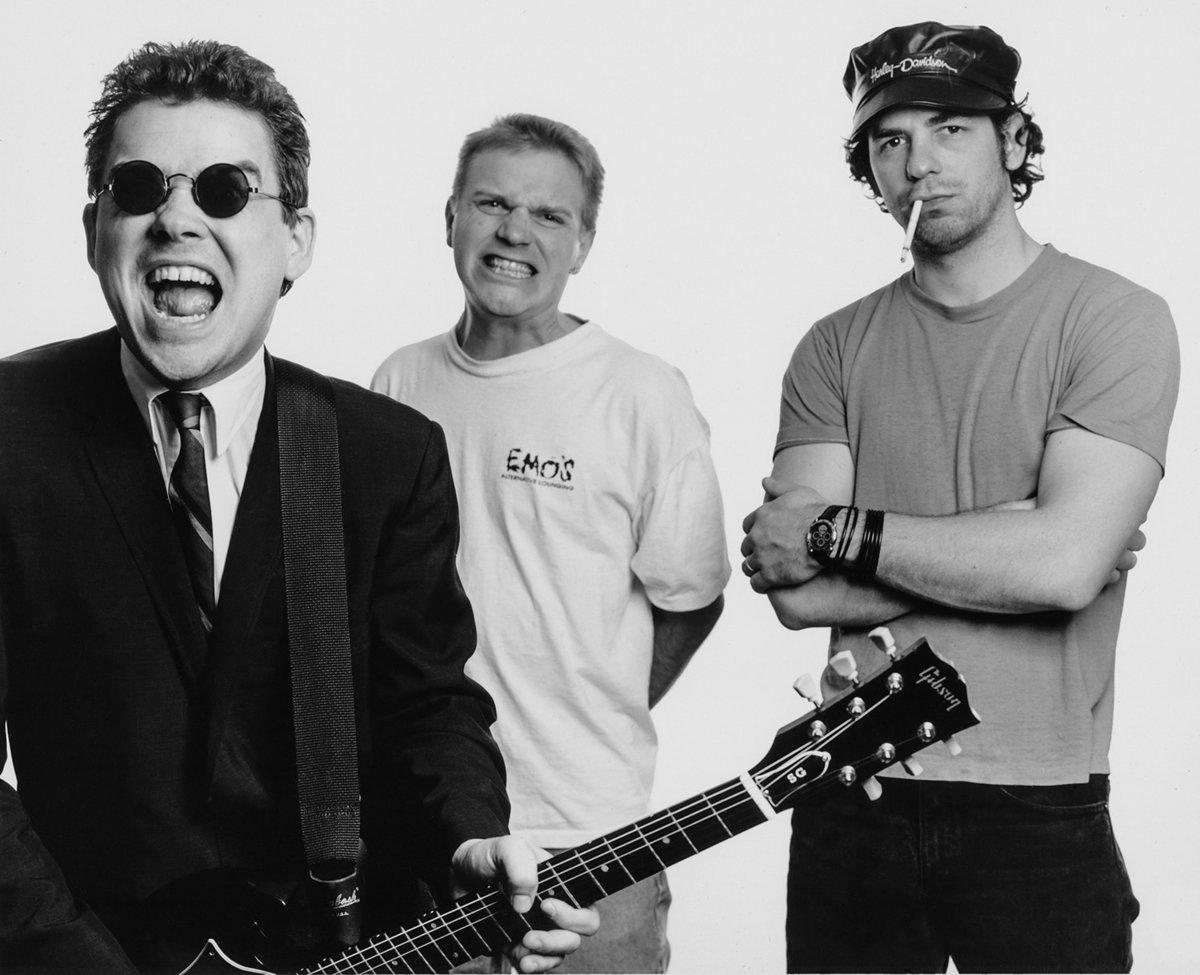
Didjits

Punk
Punk Rock
Noise Rock
 Viberate Rank: 354537
 Viberate Rank: 354537
 Monthly ListenersFollowers
 Subscribers
 Followers
 Followers
 FansTop Spotify Songs
| Track | 7-Day Streams | |
|---|---|---|
1 | 316 | |
2 | 217 | |
3 | 137 | |
4 | 121 | |
5 | 92 |
Top YouTube VideosMonthly ListenersFeatured in Playlists| Playlist | Followers | |
|---|---|---|
1 |  60 Songs That Explain the '90s (Companion Playlist) The Ringer | 10.13K |
2 |  Spiderland 30 Touch and Go Records | 8.27K |
3 | Guitar Hero 80's Jonathan Castillo | 7.67K |
4 |  Kurt Cobain journal songs & albums Agus Arcolia | 7.65K |
5 | Guitar Hero 80’s _JohnnyF94 | 7.41K |
Audience| City | Monthly Listeners | |
|---|---|---|
1 | | 103 |
2 |  | 49 |
3 | | 42 |
4 |  | 29 |
5 | | 29 |
See full performance history, audience data, playlist activity, rankings, comparisons, and more in Viberate music analytics. Start with a free trial, then continue with a paid plan.
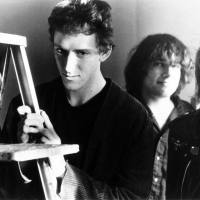
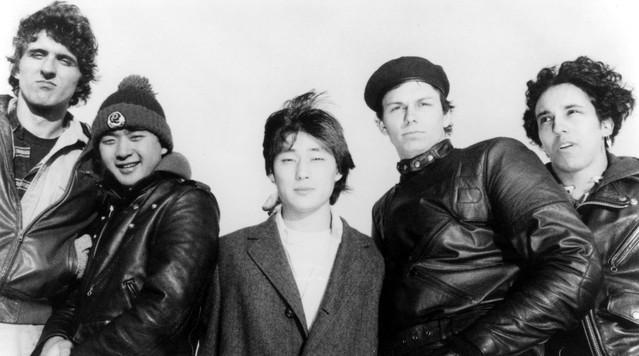
Didjits’ Spotify BioPurveyors of revved-up, tastelessly funny trash-punk, the Didjits were an atypically straightforward part of the Touch & Go stable, as well as an utterly manic live band. Their sound was mostly speed-blur garage-band punk with a dash of AC/DC-esque hard rock, but their true inspirations were rock & roll wildmen like Jerry Lee Lewis and Little Richard, not to mention the guitar heroics of Chuck Berry. Most Didjits albums were virtual catalogs of rock & roll sleaze and vice -- sex, booze, drugs, violence, death, Satan, and the like -- all rolled into a smart-alecky, Midwestern white-trash act. Whether he was being jokey, offensive, or just plain bizarre, lead singer/guitarist Rick Sims' sense of humor could only be described as indelicate, leading to charges of sexism and racism from journalists with little patience for tongue-in-cheek political incorrectness. In truth, they sent up white-trash culture much more than they embraced it, but did so with such gleeful immaturity and abandon… that they often made things pretty convincing.
The Didjits were formed in Mattoon, Illinois in 1981 by brothers Rick (guitar/vocals) and Brad Sims (drums). The two had grown up listening to first-generation British punk, as well as high-volume guitar bands like Sonic Youth and Big Black, and had each been in several local groups (including a new wave pop outfit) before teaming up. Adding bassist Doug Evans, the trio began playing around the local club scene under the alias Rick Didjit. Their frontman quickly distinguished himself with a crazed stage demeanor and a wardrobe of snappy suits. Their debut recording, Fizzjob, was issued in 1987 on the band's own Bam Bam imprint, but it was the as-yet unreleased follow-up, Hey Judester, that caught the attention of Touch & Go Records. Boasting tougher, beefed-up production, Hey Judester was picked up for release in early 1988, and launched many of the cornerstones of the band's repertoire: "Max Wedge," "Dad," "Skull Baby," "Plate in My Head," "Stumpo Knee Grinder," and others.
Now with a slowly growing cult audience, the Didjits returned in 1989 with the one-off single "Lovesicle," then completed their next album, Hornet Pinata, in 1990. Its key track, "Killboy Powerhead," a moderate success on college radio, was later covered by Didjits enthusiasts the Offspring. A not-so-official live album, Backstage Passout, captured a gig in London from the supporting tour. 1991's Full Nelson Reilly kept the band's creative prime going, but the following year Brad Sims went through something of a life crisis; he got divorced, remarried a short time later, and left the band to take a day job. The Didjits quickly replaced him with Rey Washam, who'd previously played with Rapeman, Scratch Acid, and the Big Boys, among others. Washam played on the 1992 five-song EP Little Miss Carriage!, but for the group's next tour, he was replaced by Todd Cole, who was soon made a permanent member. Cole made his recorded debut on 1993's full-length Que Sirhan Sirhan, which also proved to be the band's swan song. After one further single, "Headless," in 1994, the Didjits broke up. Sims joined spiritual kin the Supersuckers for several months, then played briefly with Fred Schneider before starting a well-received new band, the Gaza Strippers. Washam went on to play with Ministry and Lard, among others. ~ Steve Huey, Rovi
Viberate is a music analytics platform built for A&Rs, artist managers, labels, booking agents, marketers, and artists.
It helps music professionals track artist growth, analyze audience data, monitor playlist activity, compare artists, follow song performance, and identify opportunities across the music market.
Public artist pages provide a free preview of selected artist data. Paid plans provide access to deeper analytics, historical data, charts, comparisons, playlist tools, exports, alerts, reports, and additional professional features.
Yes. Public Viberate artist pages provide selected artist analytics and music data for free.
Viberate also offers a 7-day free trial of the full platform. A credit card is required to start the trial. The trial includes access to the complete product so users can test deeper artist analytics, historical views, playlist insights, comparisons, charts, exports, alerts, and reporting features before choosing a paid plan.
Viberate provides artist analytics across streaming, playlists, social media, video, radio airplay, songs, and audience markets.
Users can analyze Spotify performance, Spotify and Apple Music playlists, YouTube activity, TikTok and Instagram growth, radio spins, song performance, audience locations, demographics, rankings, and overall artist momentum.
Artist profiles also connect to music charts, similar artists, and comparison tools, helping users benchmark performance and evaluate artists in context.
Viberate updates key artist and track data daily.
For followed artists and tracks, selected data is refreshed multiple times per day. This helps teams monitor playlist changes, streaming movement, audience growth, releases, and campaign performance with more current data.
Update frequency can vary depending on the metric and data source.
Yes. Viberate lets users compare up to five artists side by side across streaming, social media, audience, and engagement metrics.
Users can compare fanbase growth, audience demographics, locations, Spotify performance, social metrics, and other artist data over selected time periods.
Artist comparison can be used for A&R scouting, benchmarking, booking decisions, campaign planning, and evaluating artists with similar audiences or market positions.