Marginal Man

Punk
Punk Rock
Hardcore Punk
 Viberate Rank: 341307
 Viberate Rank: 341307
 Monthly ListenersFollowers
 Subscribers
 Followers
 Followers
 FansTop Spotify Songs
| Track | 7-Day Streams | |
|---|---|---|
1 | 661 | |
2 | 603 | |
3 | 167 | |
4 | 87 | |
5 | 78 |
Top YouTube VideosMonthly ListenersFeatured in Playlists| Playlist | Followers | |
|---|---|---|
1 |  Jackass Soundtrack Hinner Caldeira | 10.15K |
2 |  1980s Punk & Indie Numero Group | 6.13K |
3 |  Punk Rock Radio Nick Worthington | 4.83K |
4 | First Wave Emo JesseXGomez | 4.71K |
5 |  Dischord Records Discography Dylan Ostendorf | 4.68K |
Audience| City | Monthly Listeners | |
|---|---|---|
1 | | 71 |
2 | | 60 |
3 |  | 53 |
4 | | 46 |
5 |  | 46 |
See full performance history, audience data, playlist activity, rankings, comparisons, and more in Viberate music analytics. Start with a free trial, then continue with a paid plan.
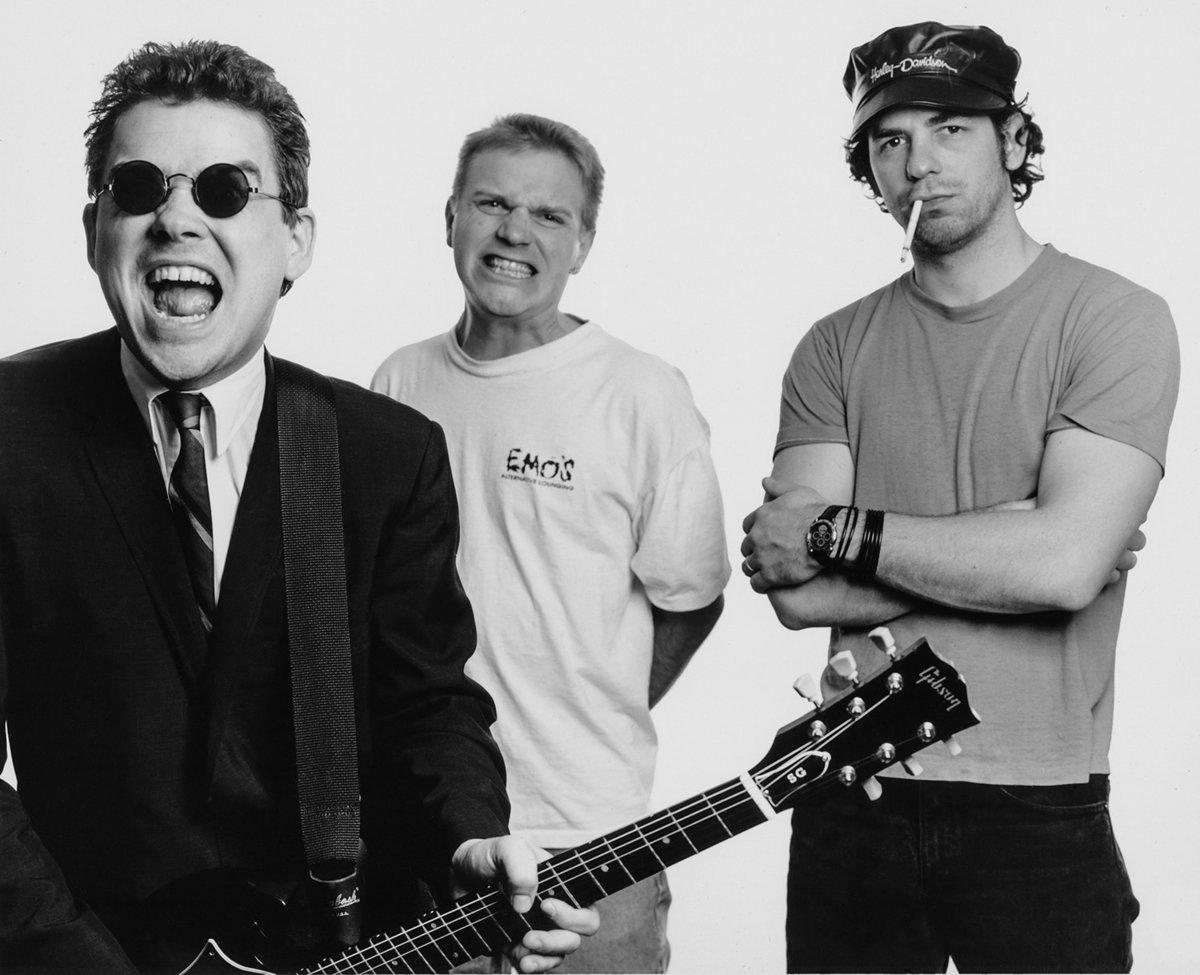
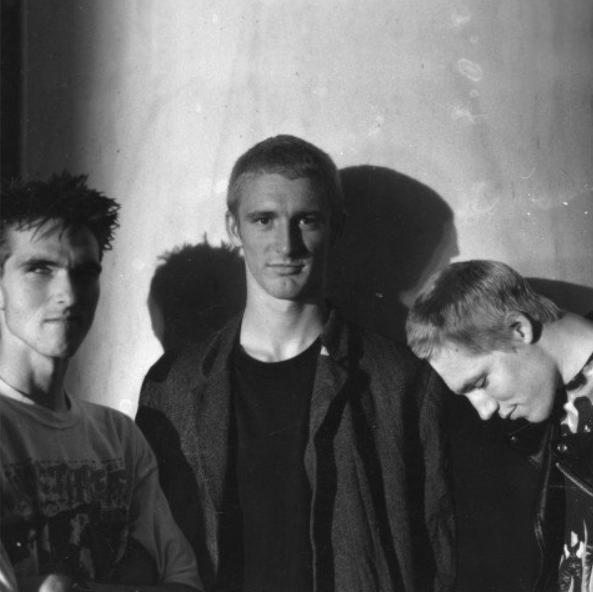
Marginal Man’s Spotify BioMarginal Man was a punk band from Washington, D.C., comprising guitarist Kenny Inouye, bassist Andre Lee, guitarist Peter Murray, drummer Mike Manos, and vocalist Steve Polcari. Formed in 1982 (after the dissolution of Artificial Peace, a band that included Murray, Manos, and Polcari), Marginal Man made their live debut in January of 1983 at D.C.'s legendary 9:30 club, opening for Faith and Minor Threat. After polishing a number of songs on-stage, they headed into Inner Ear Studios with Ian MacKaye and recorded Identity, which was released in early 1984. Somewhat surprisingly for a band in the tightly knit D.C. punk community, the band left the homegrown confines of Dischord for Enigma offshoot Gasatanka for the following year's Double Image. A few years came and went until the band's third and final record, Marginal Man, saw the light of day -- albeit posthumously -- through Giant. The band broke up in 1988 before it was released. Throughout the years, Dischord has kept Identity in… print, but a German company "reissued" Double Image without authorization in the late '90s; once Inouye received word of the bootleg, he went about making a legitimate CD issue of the record, and he re-released it in 2001 with improved sound and liner notes. ~ Andy Kellman, Rovi
Viberate is a music analytics platform built for A&Rs, artist managers, labels, booking agents, marketers, and artists.
It helps music professionals track artist growth, analyze audience data, monitor playlist activity, compare artists, follow song performance, and identify opportunities across the music market.
Public artist pages provide a free preview of selected artist data. Paid plans provide access to deeper analytics, historical data, charts, comparisons, playlist tools, exports, alerts, reports, and additional professional features.
Yes. Public Viberate artist pages provide selected artist analytics and music data for free.
Viberate also offers a 7-day free trial of the full platform. A credit card is required to start the trial. The trial includes access to the complete product so users can test deeper artist analytics, historical views, playlist insights, comparisons, charts, exports, alerts, and reporting features before choosing a paid plan.
Viberate provides artist analytics across streaming, playlists, social media, video, radio airplay, songs, and audience markets.
Users can analyze Spotify performance, Spotify and Apple Music playlists, YouTube activity, TikTok and Instagram growth, radio spins, song performance, audience locations, demographics, rankings, and overall artist momentum.
Artist profiles also connect to music charts, similar artists, and comparison tools, helping users benchmark performance and evaluate artists in context.
Viberate updates key artist and track data daily.
For followed artists and tracks, selected data is refreshed multiple times per day. This helps teams monitor playlist changes, streaming movement, audience growth, releases, and campaign performance with more current data.
Update frequency can vary depending on the metric and data source.
Yes. Viberate lets users compare up to five artists side by side across streaming, social media, audience, and engagement metrics.
Users can compare fanbase growth, audience demographics, locations, Spotify performance, social metrics, and other artist data over selected time periods.
Artist comparison can be used for A&R scouting, benchmarking, booking decisions, campaign planning, and evaluating artists with similar audiences or market positions.