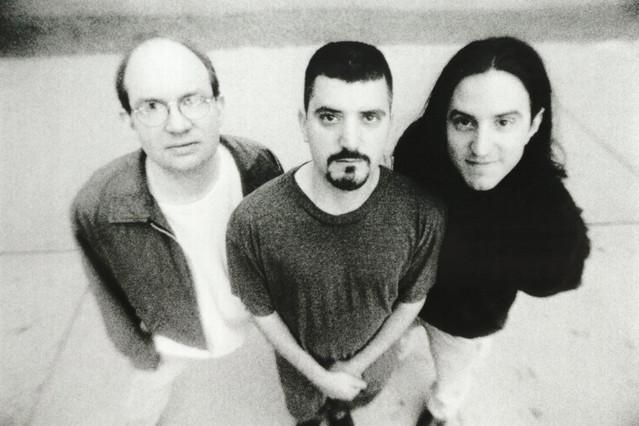
Alice Donut

Punk
Punk Rock
Noise Rock
 Viberate Rank: 248437
 Viberate Rank: 248437
 Monthly ListenersFollowers
 Subscribers
 Followers
 Followers
 FansTop Spotify Songs
| Track | 7-Day Streams | |
|---|---|---|
1 | 395 | |
2 | 327 | |
3 | 305 | |
4 | 282 | |
5 | 215 |
Top YouTube VideosMonthly ListenersFeatured in Playlists| Playlist | Followers | |
|---|---|---|
1 | Hockey arena songs M J S | 5.26K |
2 |  The Sound of Art Punk The Sounds of Spotify | 4.04K |
3 |  90s Alternative Rock & Indie: Hits & Deep Cuts Carefully Curated. | 3.61K |
4 |  Black Sabbath Tributes & Covers Júlio Costa | 2.98K |
5 |  Tunnel Vision Radio! shoptunnelvision | 2.27K |
Audience| City | Monthly Listeners | |
|---|---|---|
1 |  | 75 |
2 | | 67 |
3 | | 65 |
4 | | 60 |
5 | | 59 |
See full performance history, audience data, playlist activity, rankings, comparisons, and more in Viberate music analytics. Start with a free trial, then continue with a paid plan.
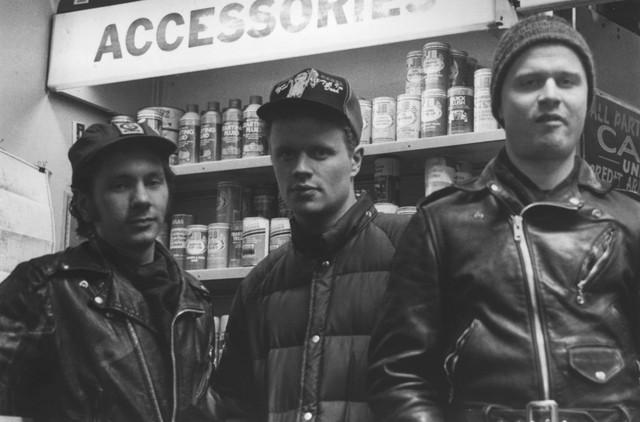
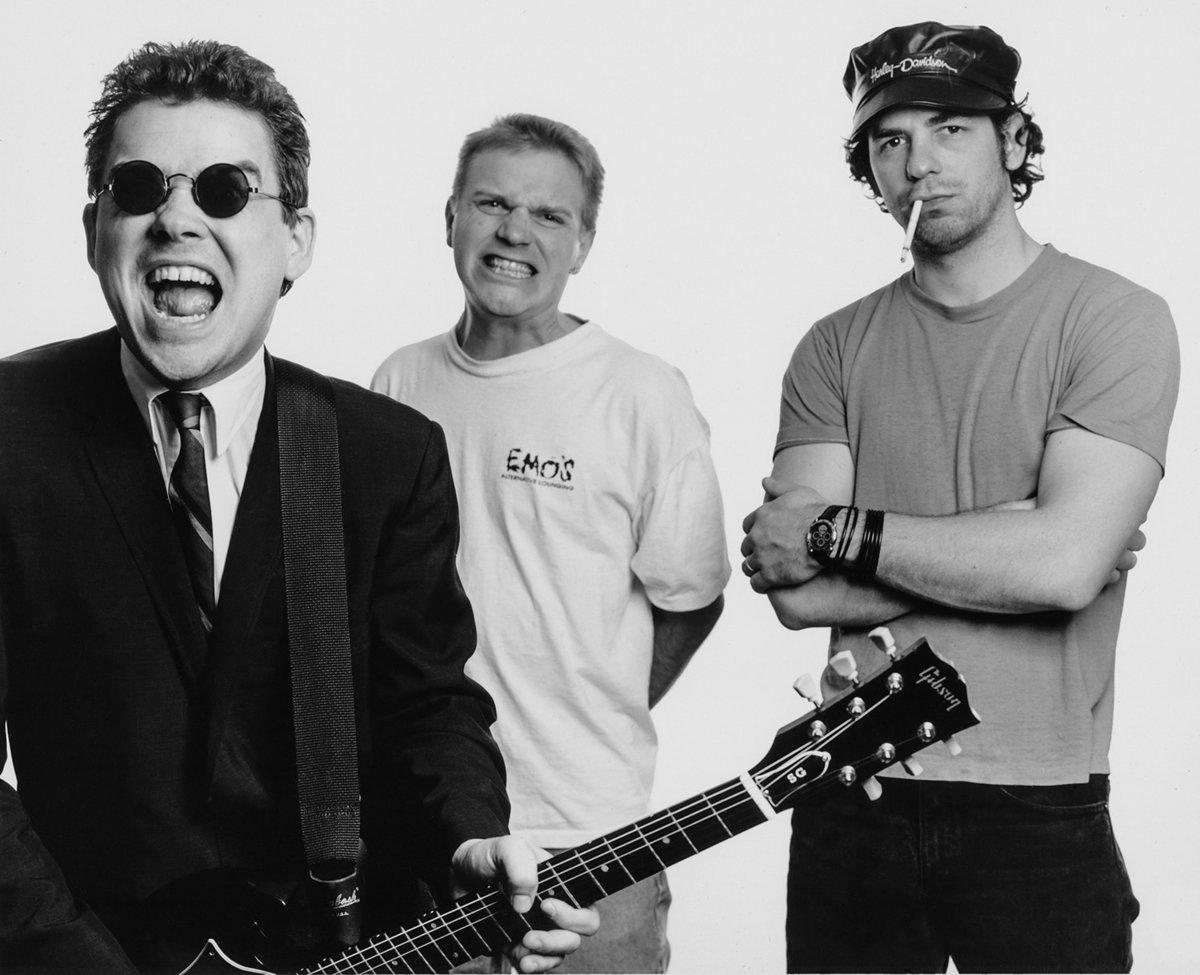
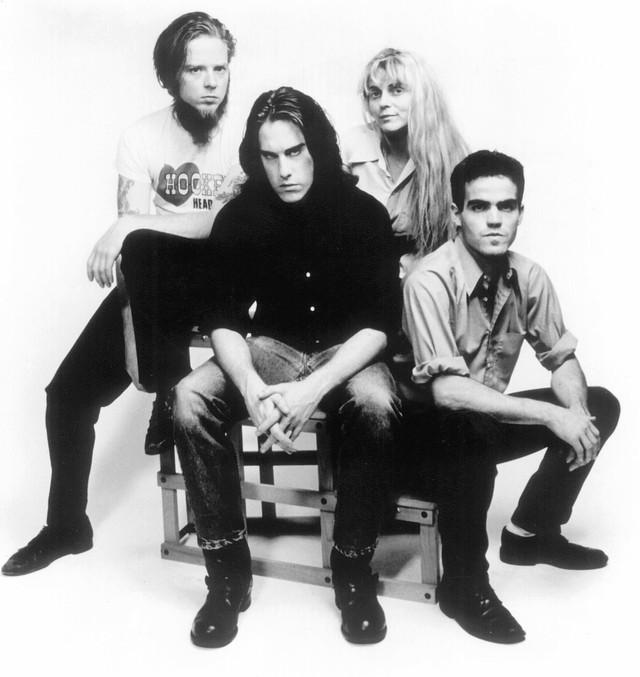
Alice Donut’s Spotify BioAlice Donut formed in the punk underground of New York City's Lower East Side in 1987, eventually releasing six studio albums and one live LP (recorded at CBGB's) before their initial break-up eight years later.
Jello Biafra was an early encouragement for the group, and he signed them to his Alternative Tentacles label, where Alice Donut released all of their albums of the '80s and '90s. The band's punk style was occasionally leavened with elements of oddball country and funk, but by 1993's Pure Acid Park, the sound was commercialized a bit, much like fellow psychedelic punks the Butthole Surfers. Alice Donut couldn't cash in, however, and broke up in 1995.
Each member went his separate way; drummer and trombonist Stephen Moses played for a short while with Rasputina, while vocalist Tomas Antona and bassist Sissi Schulmeister started a family together. Schulmeister, Moses, and guitarist Michael Jung began playing together again for fun in the late '90s and after a couple of years of… basement practices, the three convinced Antona to join in as well. An unpublicized reunion show took place in August of 2003, which served as a CD release party for their equally unpublicized reunion album, Three Sisters. The live DVD London, There's a Curious Lump in My Sack appeared in 2004, and another studio album, Fuzz, followed in 2006 on Howler Records. The band continued playing live, and returned to Alternative Tentacles for their tenth album, 2009's Ten Glorious Animals. Alice Donut celebrated their 25th anniversary in 2011 with a documentary, Freaks in Love, including interviews with Jello Biafra and Curt Kirkwood, among others. ~ John Bush, Rovi
Viberate is a music analytics platform built for A&Rs, artist managers, labels, booking agents, marketers, and artists.
It helps music professionals track artist growth, analyze audience data, monitor playlist activity, compare artists, follow song performance, and identify opportunities across the music market.
Public artist pages provide a free preview of selected artist data. Paid plans provide access to deeper analytics, historical data, charts, comparisons, playlist tools, exports, alerts, reports, and additional professional features.
Yes. Public Viberate artist pages provide selected artist analytics and music data for free.
Viberate also offers a 7-day free trial of the full platform. A credit card is required to start the trial. The trial includes access to the complete product so users can test deeper artist analytics, historical views, playlist insights, comparisons, charts, exports, alerts, and reporting features before choosing a paid plan.
Viberate provides artist analytics across streaming, playlists, social media, video, radio airplay, songs, and audience markets.
Users can analyze Spotify performance, Spotify and Apple Music playlists, YouTube activity, TikTok and Instagram growth, radio spins, song performance, audience locations, demographics, rankings, and overall artist momentum.
Artist profiles also connect to music charts, similar artists, and comparison tools, helping users benchmark performance and evaluate artists in context.
Viberate updates key artist and track data daily.
For followed artists and tracks, selected data is refreshed multiple times per day. This helps teams monitor playlist changes, streaming movement, audience growth, releases, and campaign performance with more current data.
Update frequency can vary depending on the metric and data source.
Yes. Viberate lets users compare up to five artists side by side across streaming, social media, audience, and engagement metrics.
Users can compare fanbase growth, audience demographics, locations, Spotify performance, social metrics, and other artist data over selected time periods.
Artist comparison can be used for A&R scouting, benchmarking, booking decisions, campaign planning, and evaluating artists with similar audiences or market positions.