The Feederz

Punk
Punk Rock
Hardcore Punk
 Viberate Rank: 368769
 Viberate Rank: 368769
 Monthly ListenersFollowers
 Subscribers
 Followers
 Followers
 FansTop Spotify Songs
| Track | 7-Day Streams | |
|---|---|---|
1 | 336 | |
2 | 327 | |
3 | 193 | |
4 | 116 | |
5 | 91 |
Top YouTube VideosMonthly ListenersFeatured in Playlists| Playlist | Followers | |
|---|---|---|
1 |  Punk Rock Radio Nick Worthington | 4.83K |
2 |  Anti-Fascist Punk and Metal Damascus | 4.40K |
3 |  ACAB Brandon Siddall | 3.21K |
4 |  The Sound of Hardcore Punk The Sounds of Spotify | 2.51K |
5 |  Songs About Serial Killers batboy | 2.33K |
Audience| City | Monthly Listeners | |
|---|---|---|
1 | | 72 |
2 | | 44 |
3 | | 42 |
4 | | 39 |
5 | | 32 |
See full performance history, audience data, playlist activity, rankings, comparisons, and more in Viberate music analytics. Start with a free trial, then continue with a paid plan.
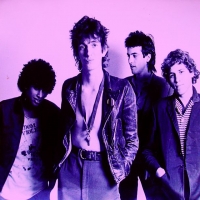
The Feederz’s Spotify BioOne of the most notorious bands in the history of punk rock, the Feederz exploded onto the scene in 1978 when they opened fire on the audience with an AR-15 assault rifle (fortunately it was loaded with blanks). This band of provocateurs originally consisted of Frank Discussion on guitar and vocals, Clear Bob on bass and Art Nouveau (most recently DHPeligro on drums.
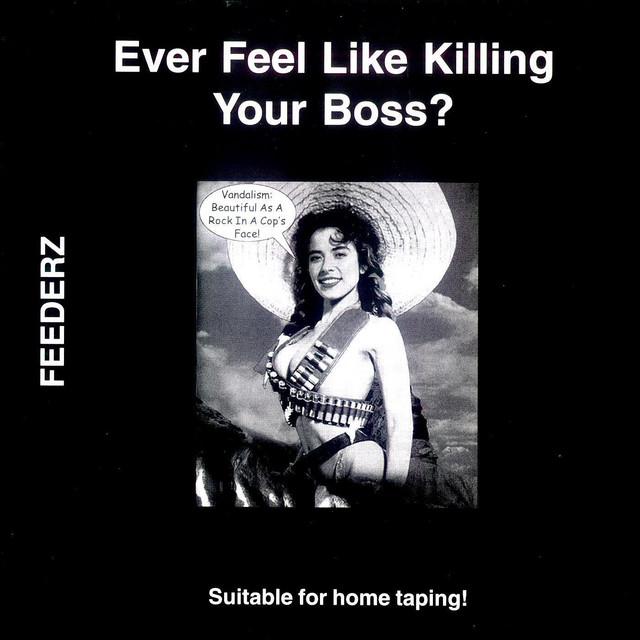
The Feederz became known for their own distinctive brand of aggressive, sneering yet tuneful style as well as their provocational tactics, and in 1982 the band released their first EP "Jesus" which contained the song "Jesus Entering from the Rear" which soon became a punk classic and remains the most blasphemous song ever written. This was followed by their first album "Ever Feel Like Killing Your Boss?" which was covered with sandpaper so it would destroy anything that came in contact with it. Their second was entitled "Teachers in Space" with a picture of the Challenger disaster on the cover. Their third was entitled… "Vandalism: Beautiful as a Rock in a Cop's Face."
Frank was later labeled “the most dangerous man alive.”
The Feederz reformed in 2017, releasing the single "WWHD: What Would Hitler Do?" kickstarting a new round of assault onto the punk scene. The song titles on the single, "Stealing" and "Sabotage" show the band has not lost its taste for insolence. As the Feederz are fond of saying, "In a society that abolishes all adventure, the only adventure becomes abolishing that society."
Viberate is a music analytics platform built for A&Rs, artist managers, labels, booking agents, marketers, and artists.
It helps music professionals track artist growth, analyze audience data, monitor playlist activity, compare artists, follow song performance, and identify opportunities across the music market.
Public artist pages provide a free preview of selected artist data. Paid plans provide access to deeper analytics, historical data, charts, comparisons, playlist tools, exports, alerts, reports, and additional professional features.
Yes. Public Viberate artist pages provide selected artist analytics and music data for free.
Viberate also offers a 7-day free trial of the full platform. A credit card is required to start the trial. The trial includes access to the complete product so users can test deeper artist analytics, historical views, playlist insights, comparisons, charts, exports, alerts, and reporting features before choosing a paid plan.
Viberate provides artist analytics across streaming, playlists, social media, video, radio airplay, songs, and audience markets.
Users can analyze Spotify performance, Spotify and Apple Music playlists, YouTube activity, TikTok and Instagram growth, radio spins, song performance, audience locations, demographics, rankings, and overall artist momentum.
Artist profiles also connect to music charts, similar artists, and comparison tools, helping users benchmark performance and evaluate artists in context.
Viberate updates key artist and track data daily.
For followed artists and tracks, selected data is refreshed multiple times per day. This helps teams monitor playlist changes, streaming movement, audience growth, releases, and campaign performance with more current data.
Update frequency can vary depending on the metric and data source.
Yes. Viberate lets users compare up to five artists side by side across streaming, social media, audience, and engagement metrics.
Users can compare fanbase growth, audience demographics, locations, Spotify performance, social metrics, and other artist data over selected time periods.
Artist comparison can be used for A&R scouting, benchmarking, booking decisions, campaign planning, and evaluating artists with similar audiences or market positions.